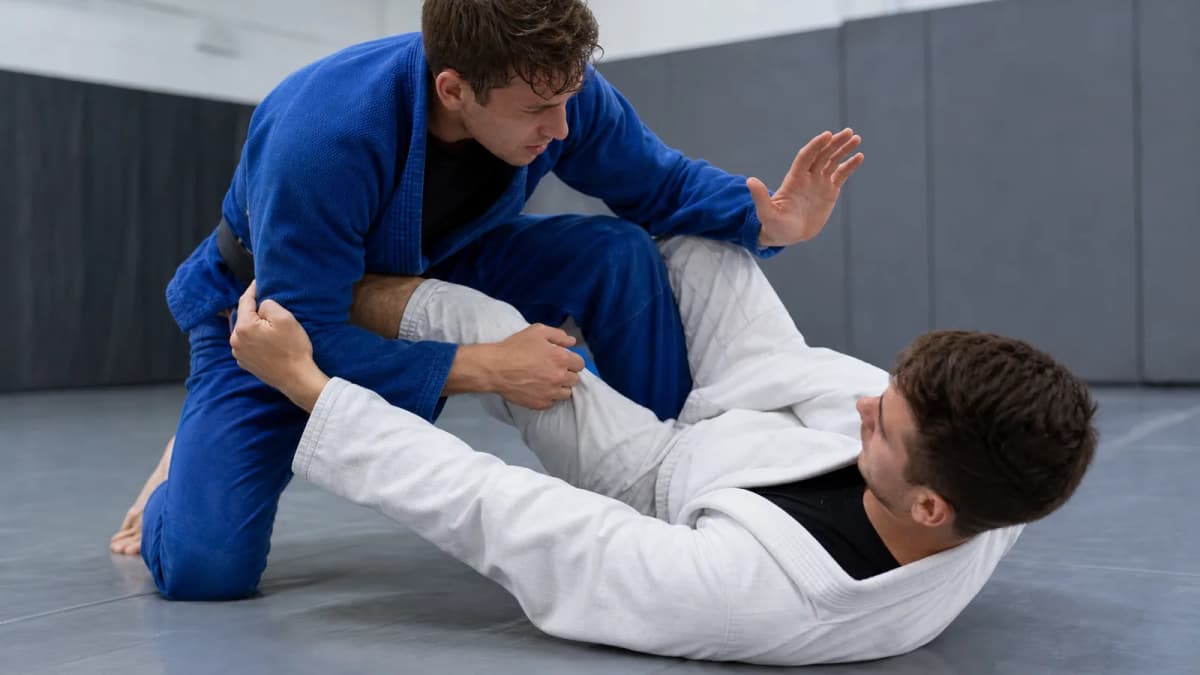
Timing & Rhythm: Flowing with Precision
Anticipate reactions, dictate pace, and move with purpose—timing and rhythm turn technique into art.
Timing is the science of “when.” Rhythm is the cadence that keeps your opponent guessing. Together they turn techniques into effortless sequences that feel inevitable.
Mirror Then Break
Match your opponent’s rhythm briefly to read patterns, then disrupt with sudden tempo changes.
Breathe the Beat
Use breathing to regulate cadence. Calm breaths slow the match, sharp exhales spike pressure.
Touch and Go
Light grip taps and feints map reactions so you know exactly when to launch the real attack.
Observation Precedes Attack
Read their baseline pace, grips, and breathing. Timing starts with awareness before initiation.
Tempo Control
Control exchanges by accelerating or decelerating. Fast bursts after slow pressure catch opponents off guard.
Predictive Flow
Link moves so each reaction feeds the next. When opponent reacts as expected, you are already two beats ahead.
Slow is Smooth, Smooth is Fast
Rushing destroys timing. Move fluidly, refine transitions, and speed appears naturally when rhythm is right.
Rhythm is a Weapon
Use rhythm shifts—pause, burst, pause—to create hesitation. Opponents freeze when they cannot predict your beat.
Guard Passing – Cadence Breaks
Opponent keeps consistent framing pace from open guard.
- Pressure forward slowly to load their frames.
- The instant they push back, retract slightly then explode with knee cut or leg drag.
- Return to measured pressure to prevent counters and reset the rhythm.
Sweeps – Timing the Base Shift
Closed guard opponent is posting hands and hips in predictable cycle.
- Observe their breathing and hip movement cadence.
- Launch hip bump or flower sweep on the inhale when posture weakens.
- If defended, immediately switch to pendulum rhythm targeting the opposite side.
Submission Chains – Flowing Finishes
Opponent defends first submission attempt.
- Anticipate their defense and transition before they settle.
- Use snap transitions (armbar → triangle → omoplata) to keep them in perpetual reaction.
- Match your grip changes to their recovery beat so they are always half-step behind.
Link breathing to movement cadence.
- Roll with a metronome (60 BPM) and move on each beat for two minutes.
- Switch to double-time explosiveness (120 BPM) for 30 seconds.
- Alternate slow-fast intervals to train pace control.
Learn opponent rhythm through touch.
- Feint grips lightly and log their responses.
- On the third repetition, break pattern with real attack.
- Repeat in multiple positions to develop predictive timing.
- Watch their breathing—attack when exhaling.
- If you feel tension, slow down; if you feel relaxation, accelerate.
- Use touch as radar: palms sense tension shifts faster than eyes.
- You are the conductor—set the tempo.
- Always be either watching, setting traps, or capitalizing.
- Flow replaces force when rhythm is aligned.
- Telegraphing moves by always initiating at same beat.
- Panicking when rhythm breaks instead of resetting with breath.
- Forcing fast sequences without checking alignment first.
Learning Benchmarks
- Can you identify three opponent rhythm patterns by feel?
- Do you know two different tempo shifts to break guard retention?
- Can you maintain smooth transitions between two submissions without muscling?
Rolling Objectives
- Track sweeps landed off timing traps rather than brute strength.
- Record how often passing succeeds immediately after a cadence change.
- Note rounds where you felt fully in control of pace vs. reacting to theirs.
Reflection Prompts
- When did you feel rushed, and why?
- Which triggers signaled it was time to accelerate?
- What cue will you use next session to reset rhythm quickly?
- Combine timing work with leverage drills—angles plus cadence equal effortless sweeps.
- Layer breathing exercises to help reset rhythm after scrambles.
- Study high-level matches to track how champions break rhythm before scoring.
- You can name opponent patterns mid-roll without hesitation.
- You change tempo deliberately rather than reactively.
- Your submission chains flow even against defensive opponents.