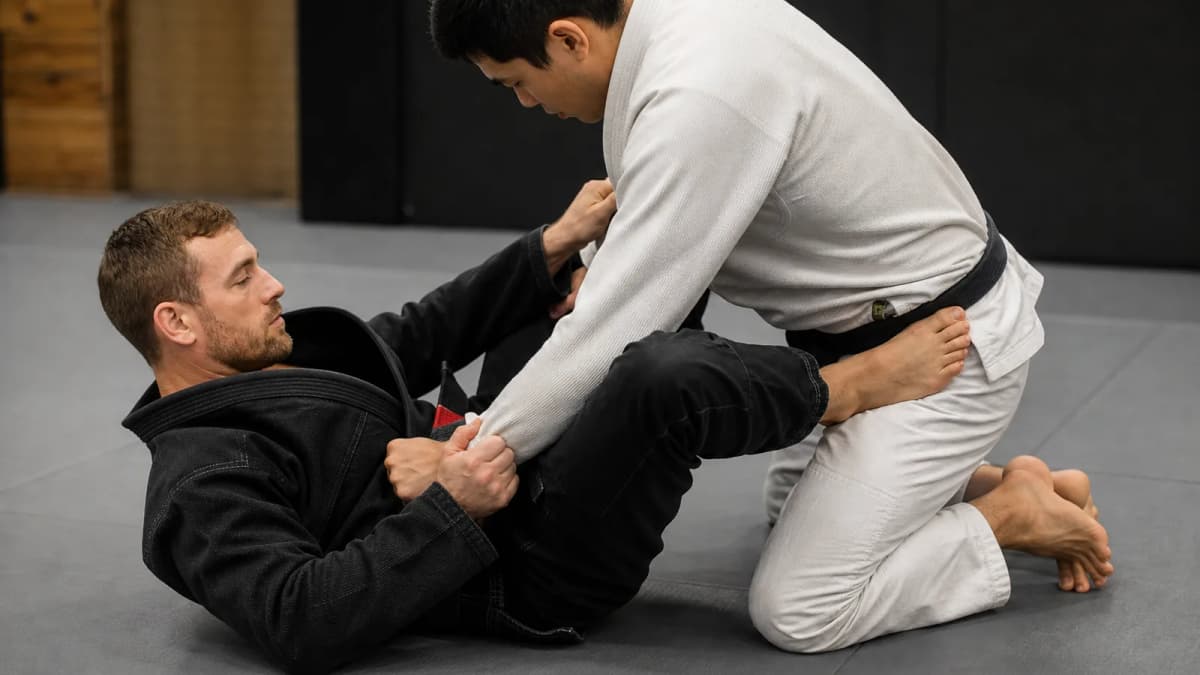
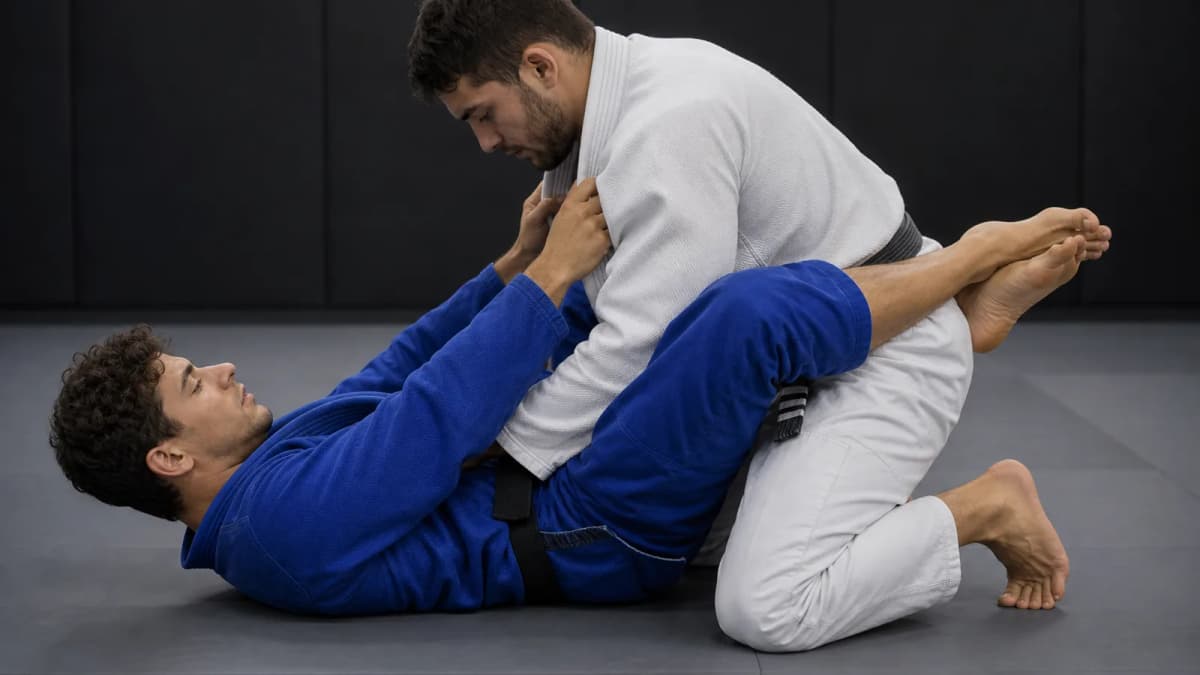
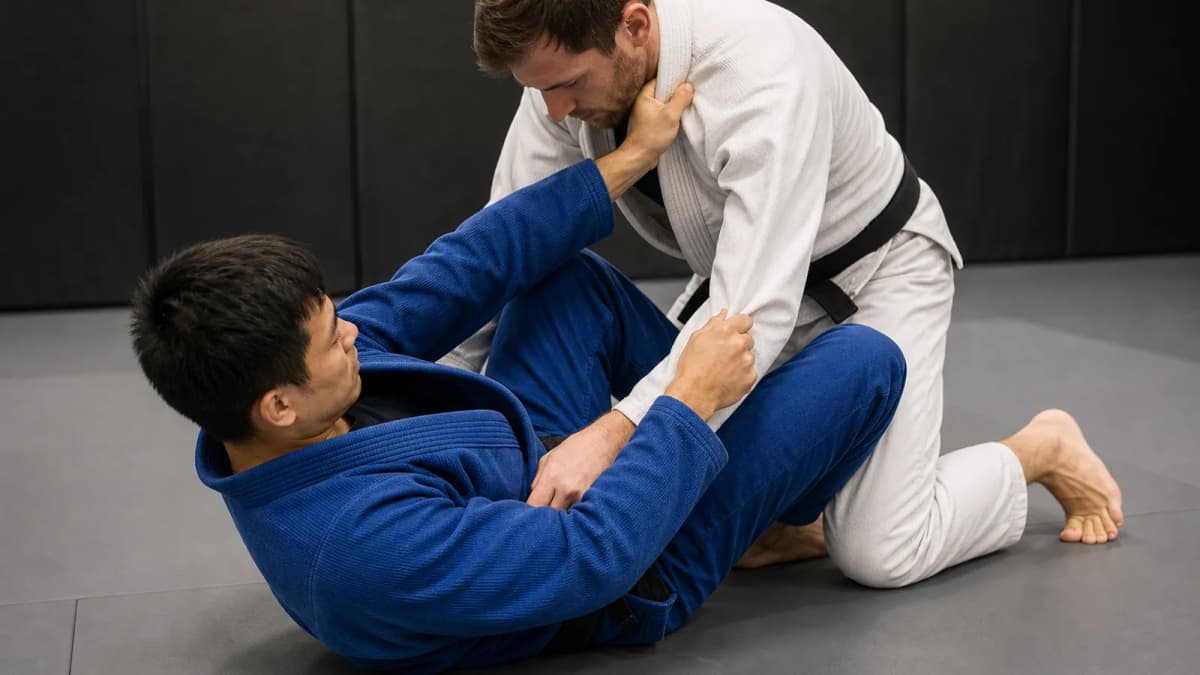
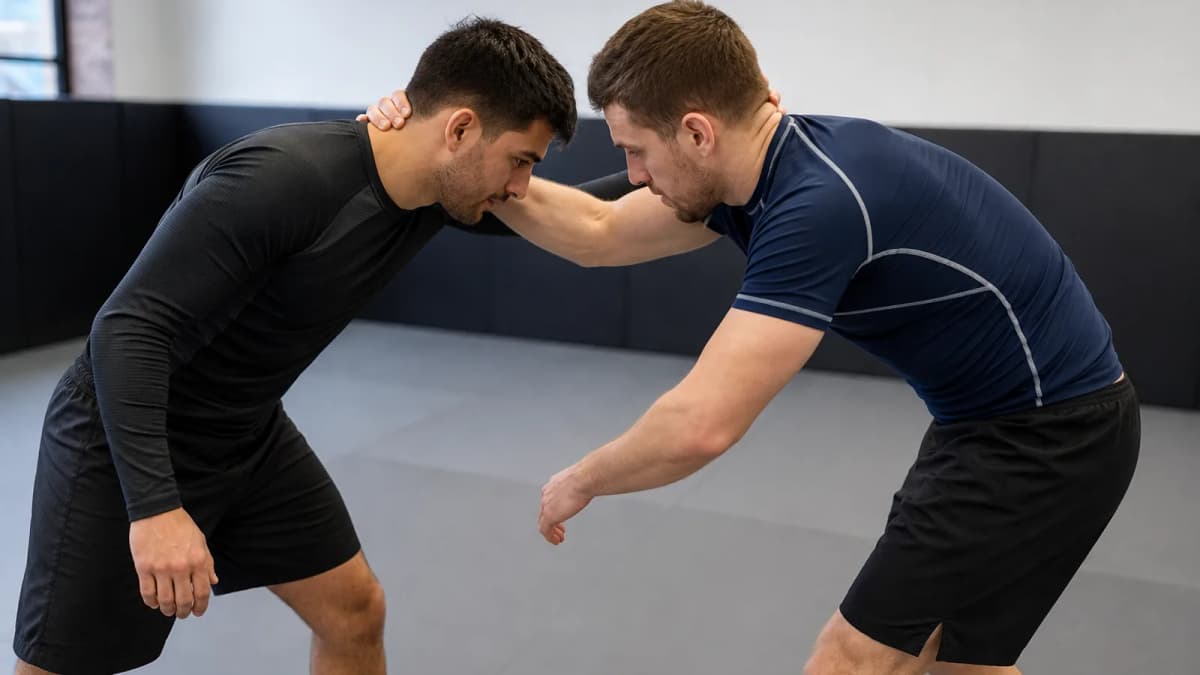
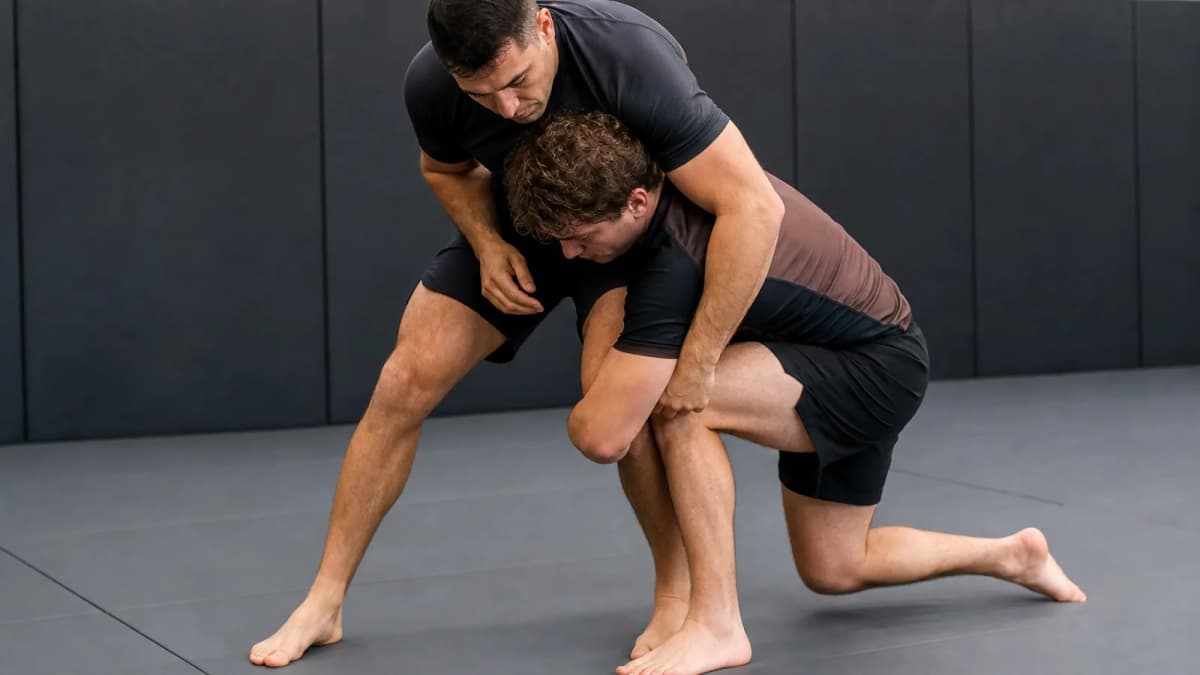
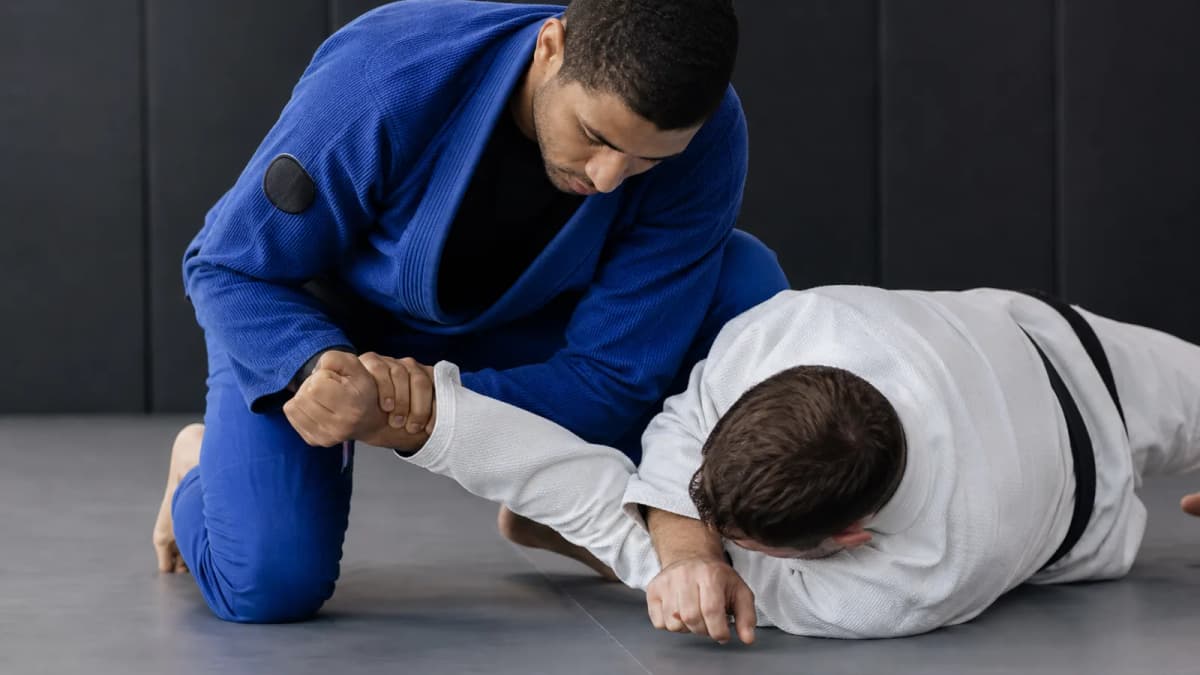
Explore Brazilian Jiu-Jitsu techniques across submissions, positions, transitions, and fundamentals. Use filters to fine-tune your training focus.
Filter by category, search key concepts, or adjust difficulty to match your training goal.
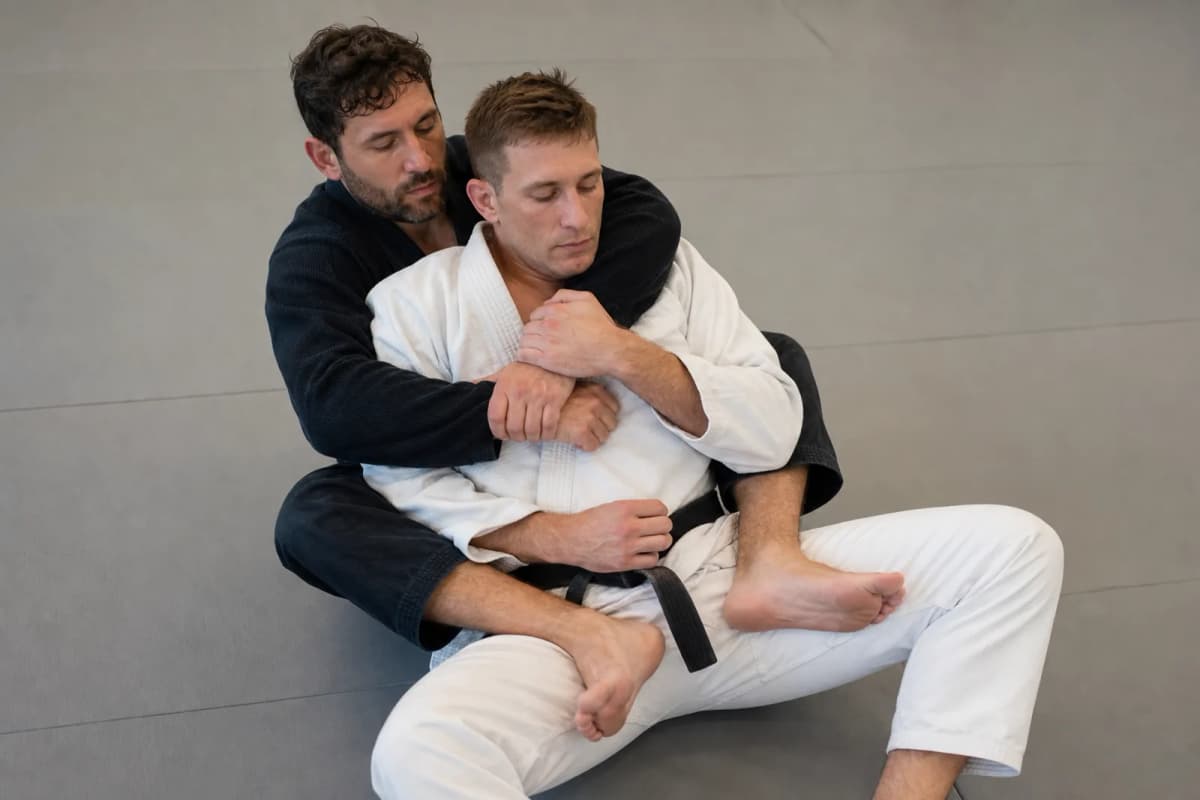
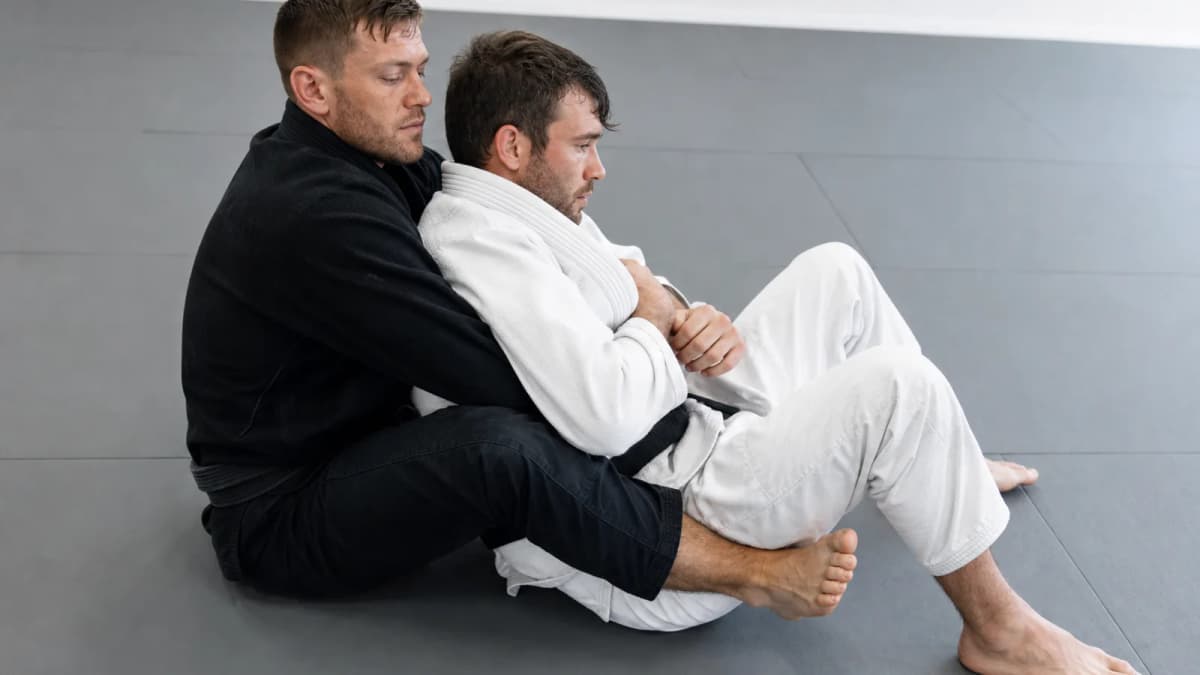
Highest scoring control position with strong finishing mechanics.
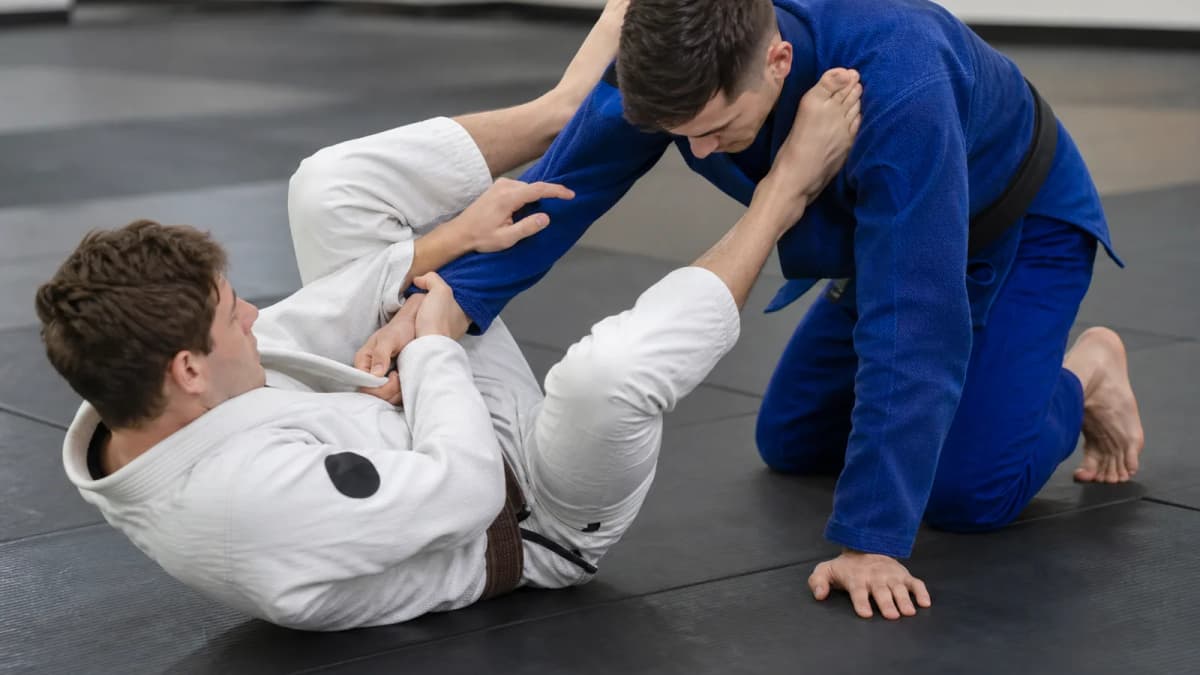
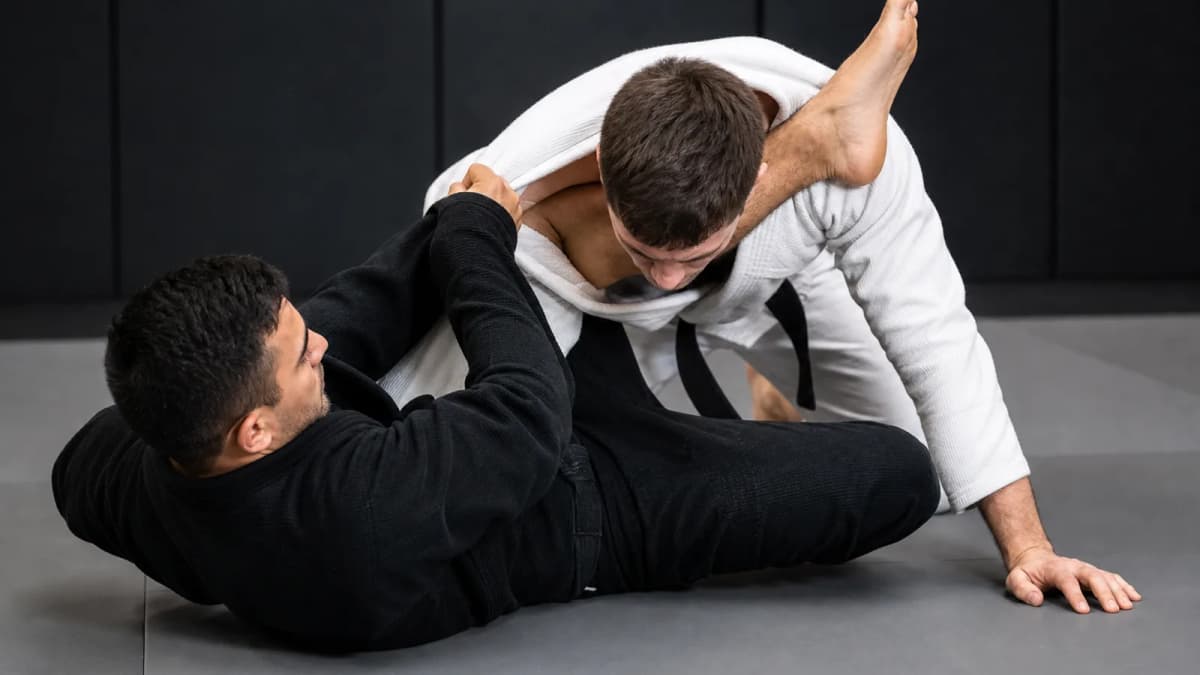
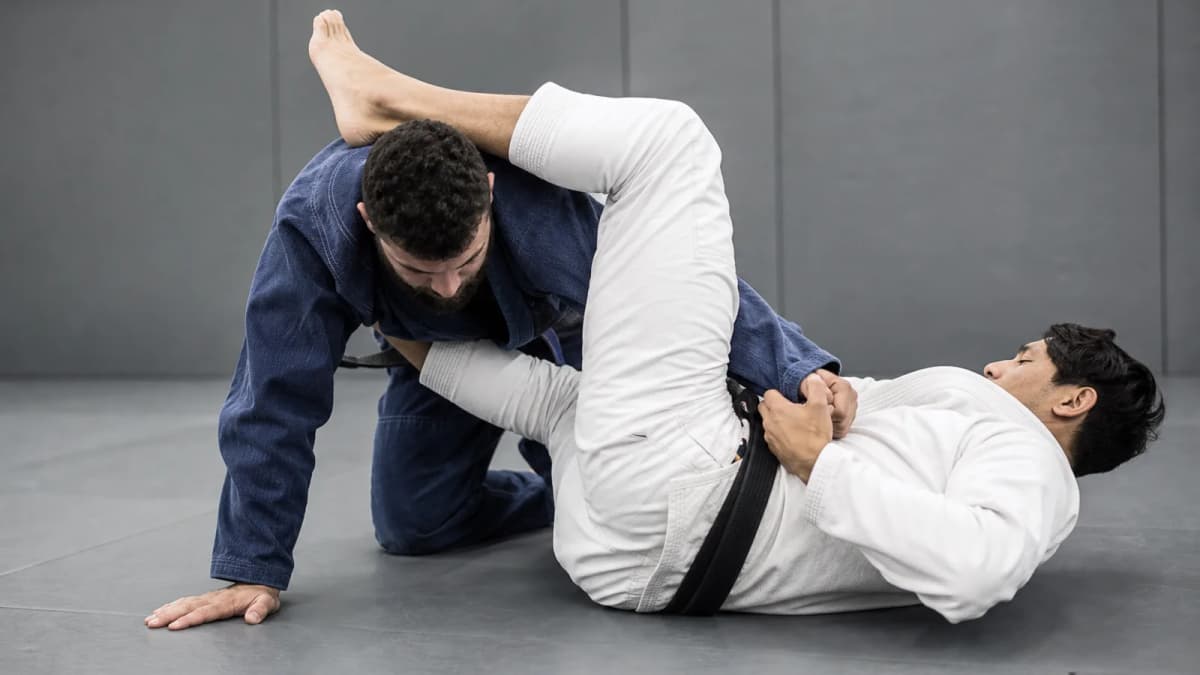
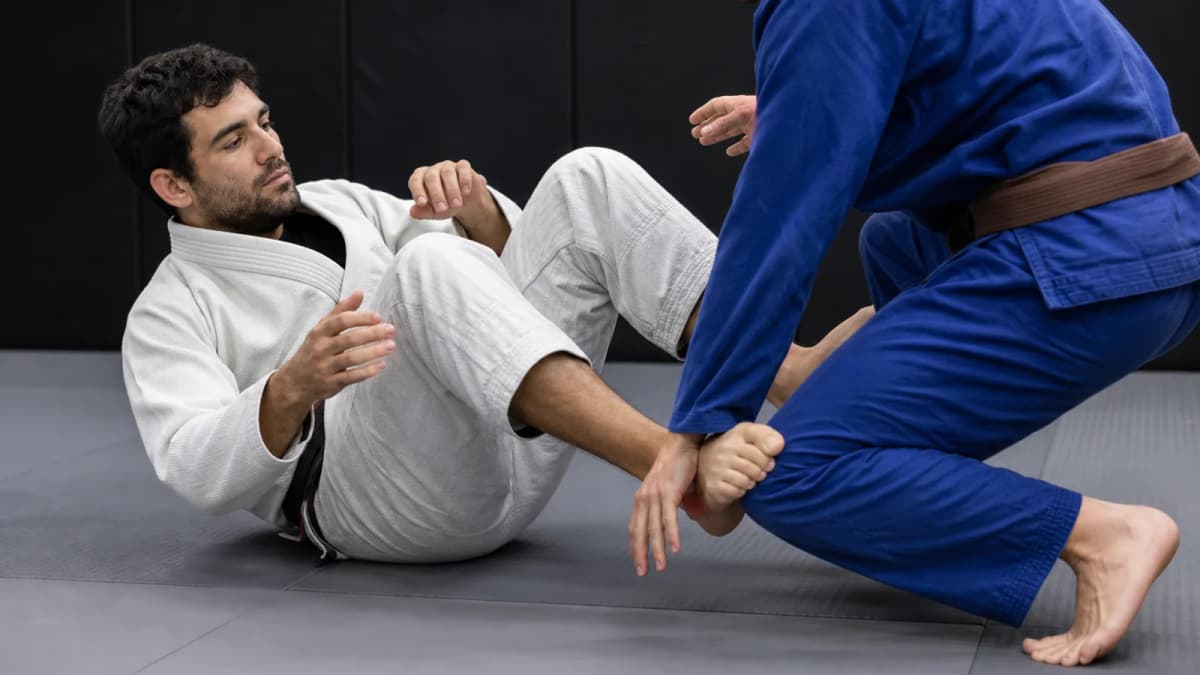
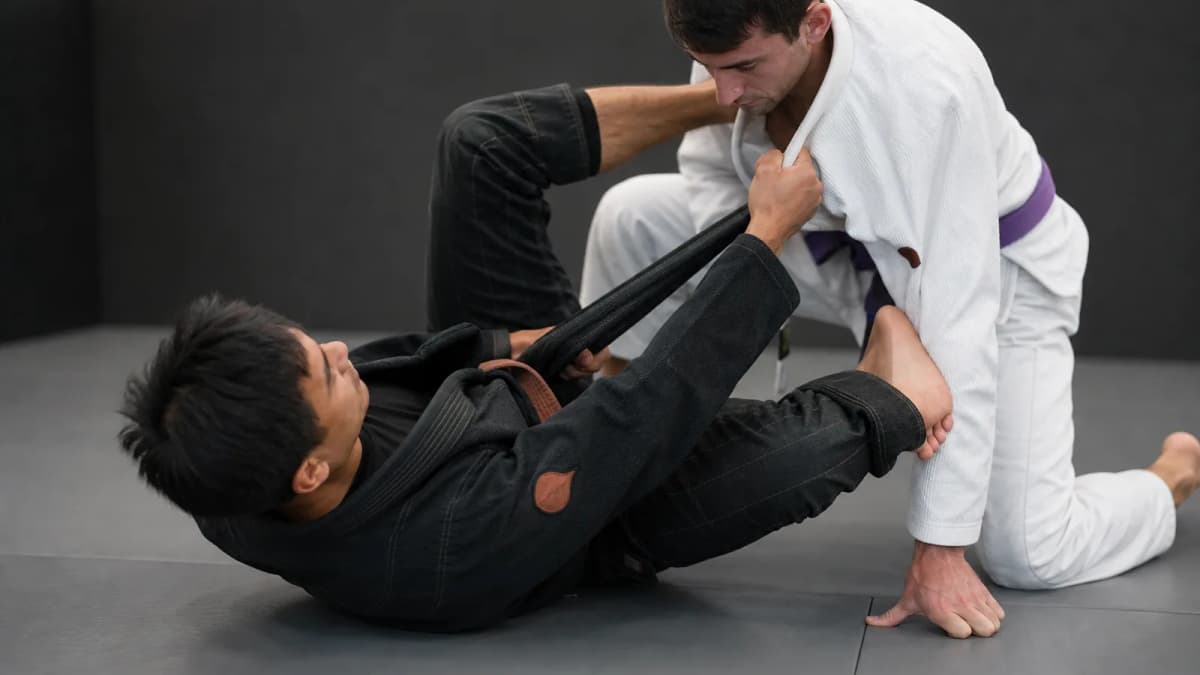
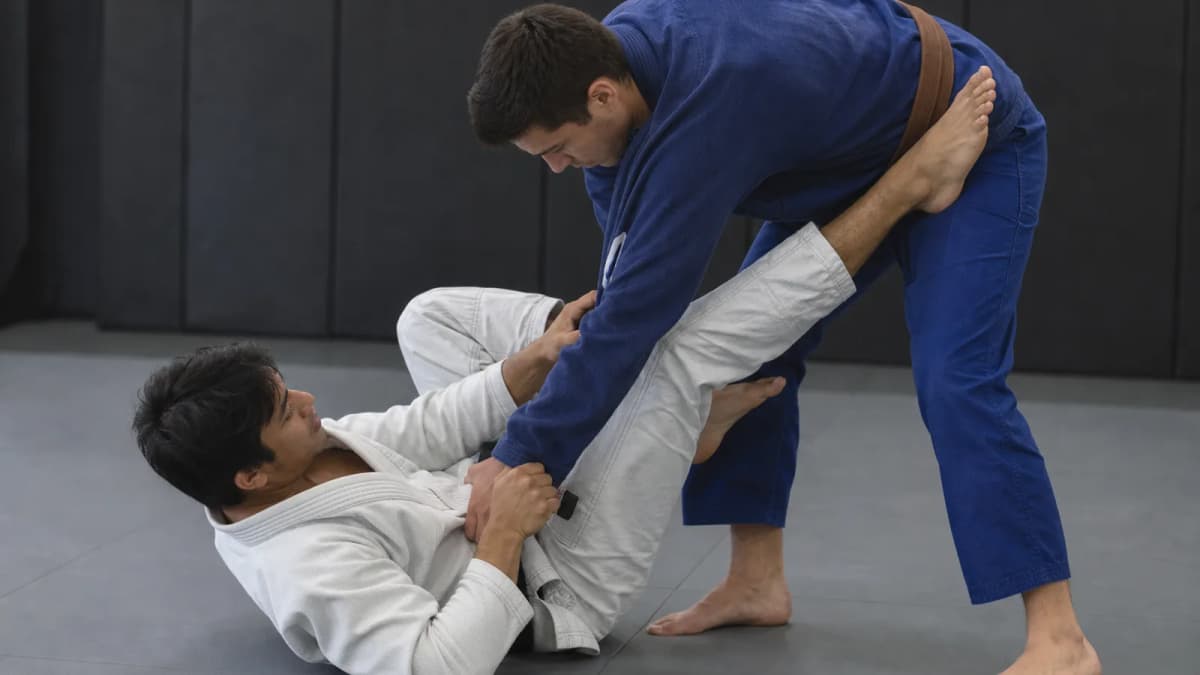
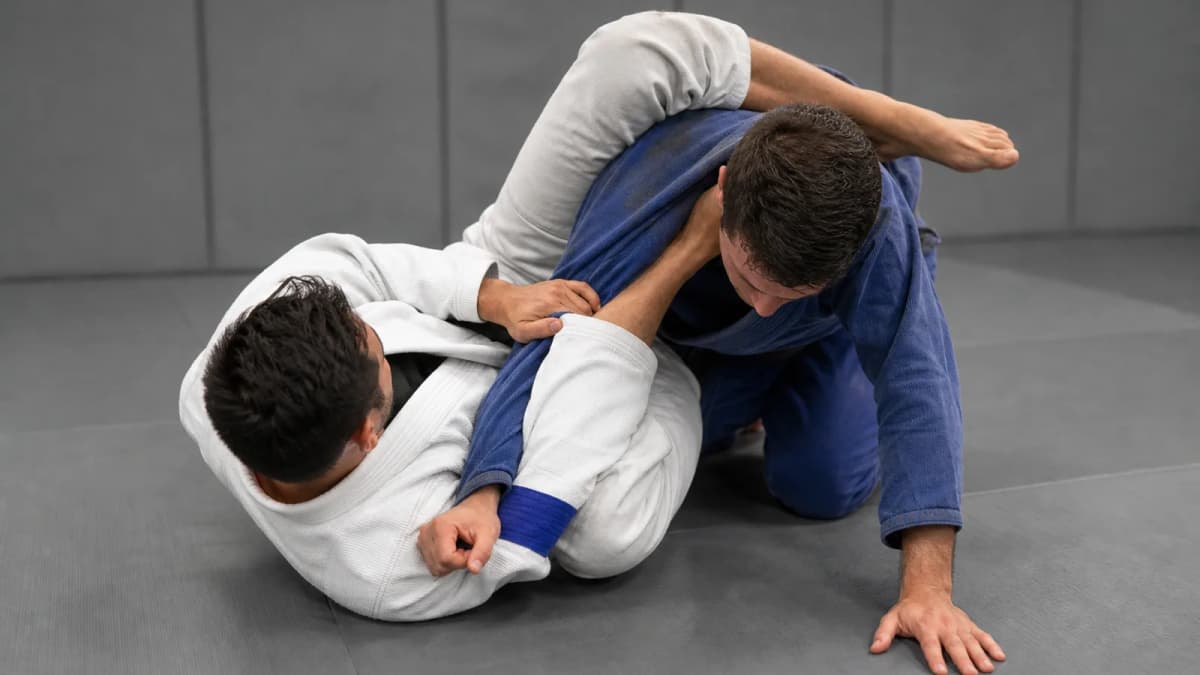
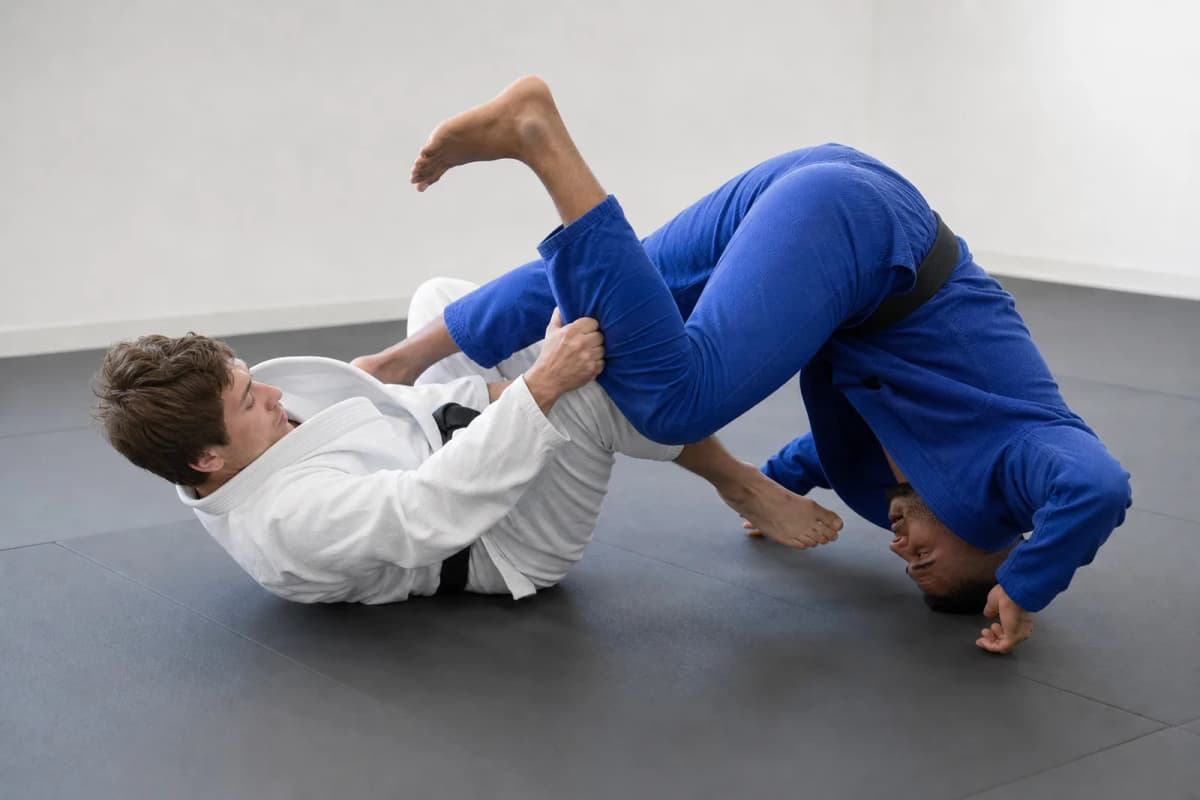
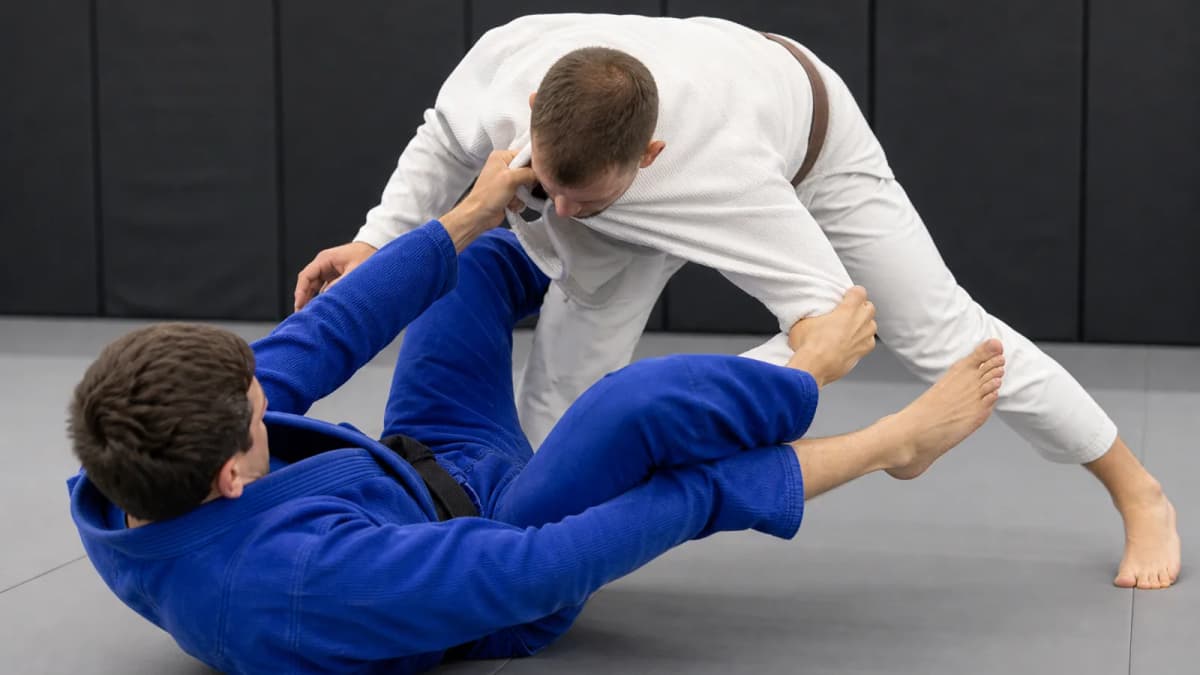
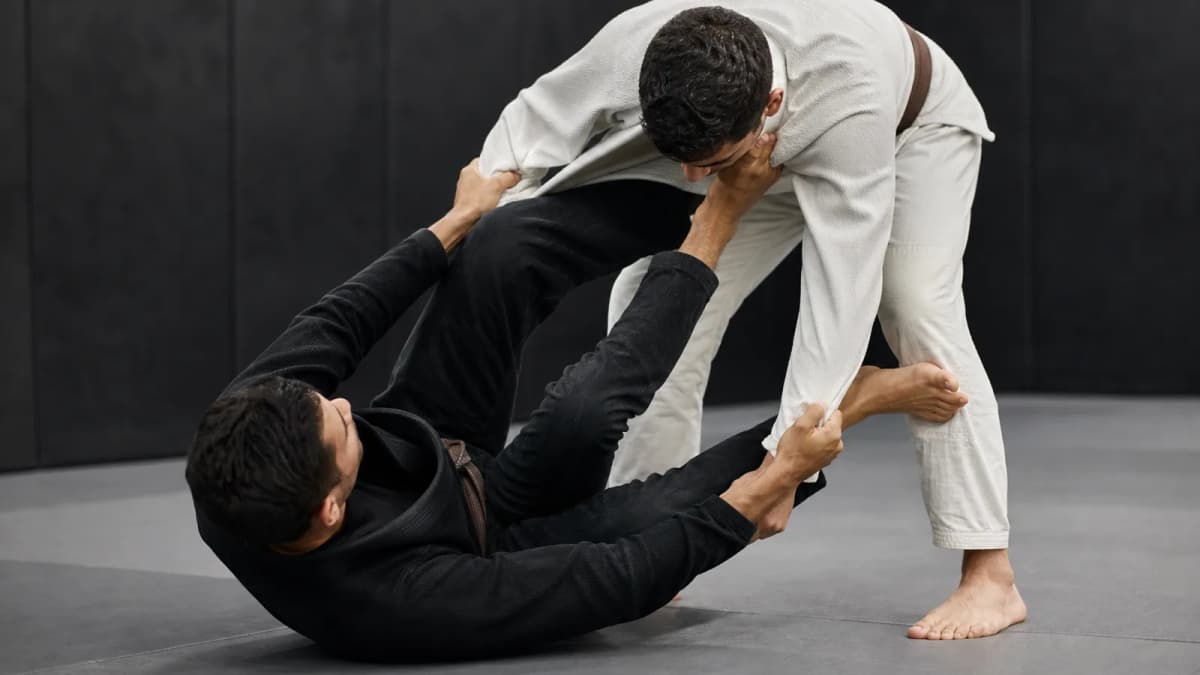
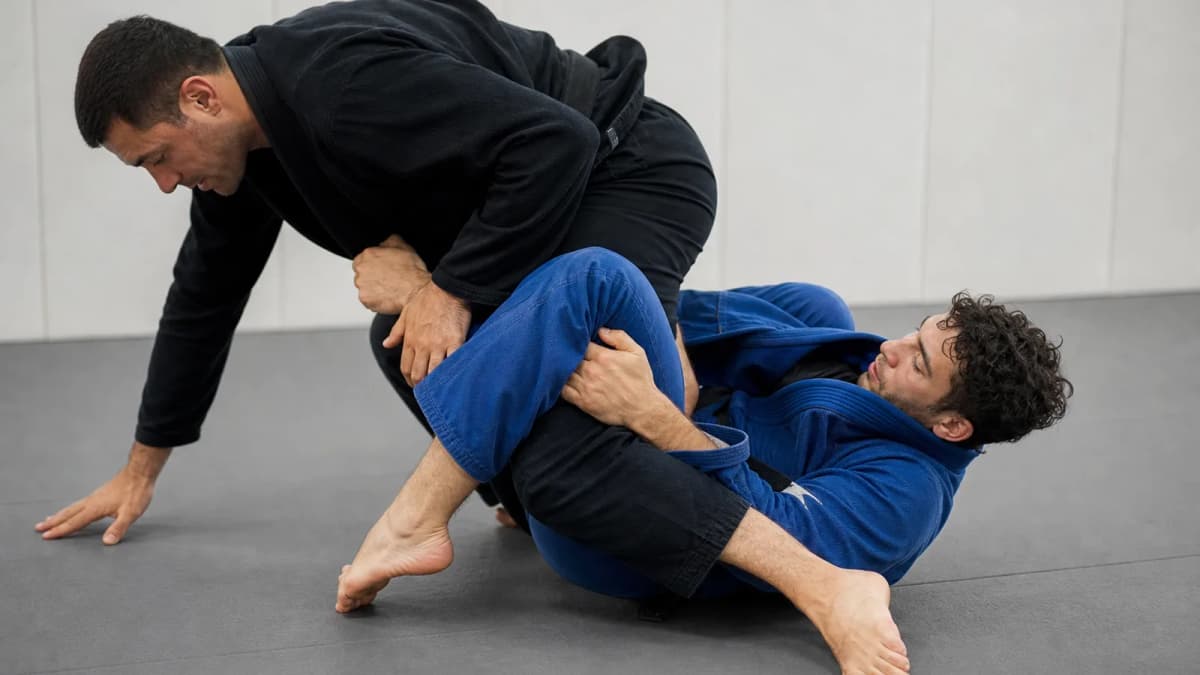
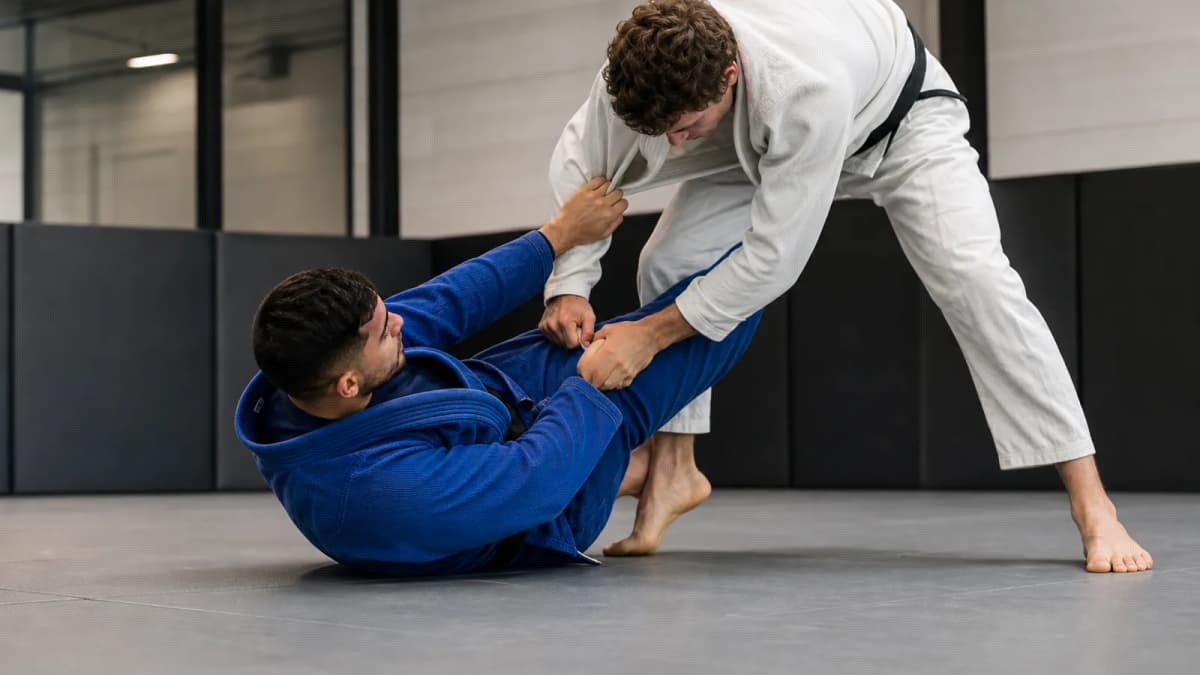
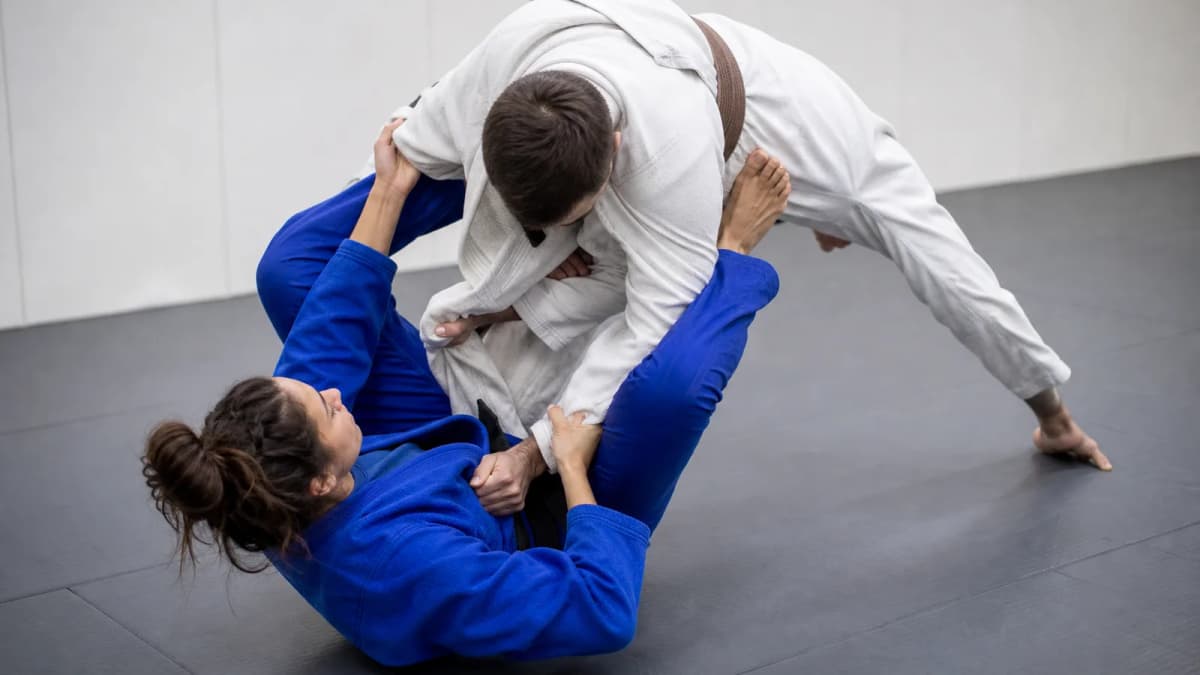
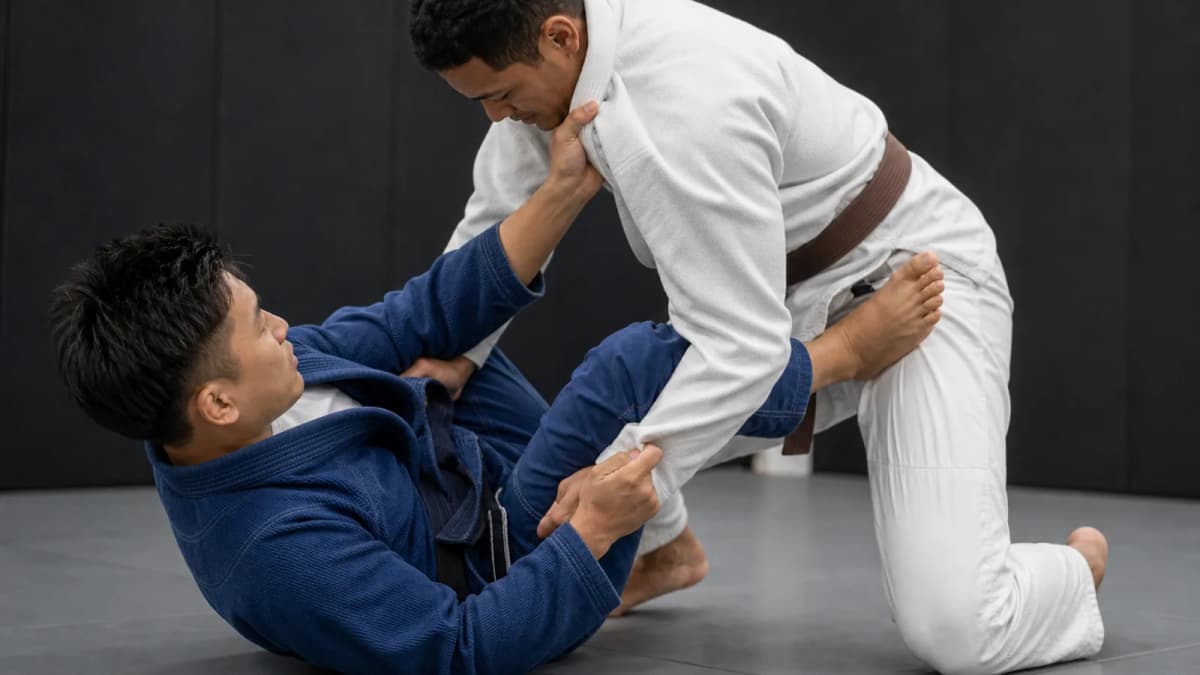
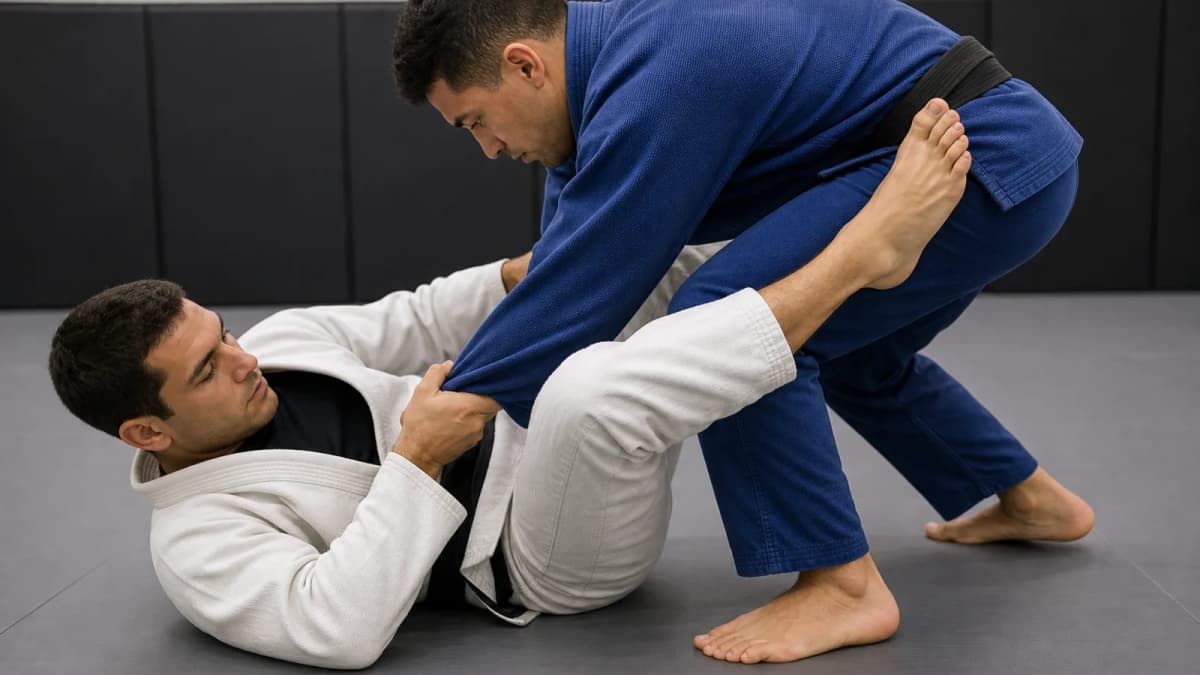
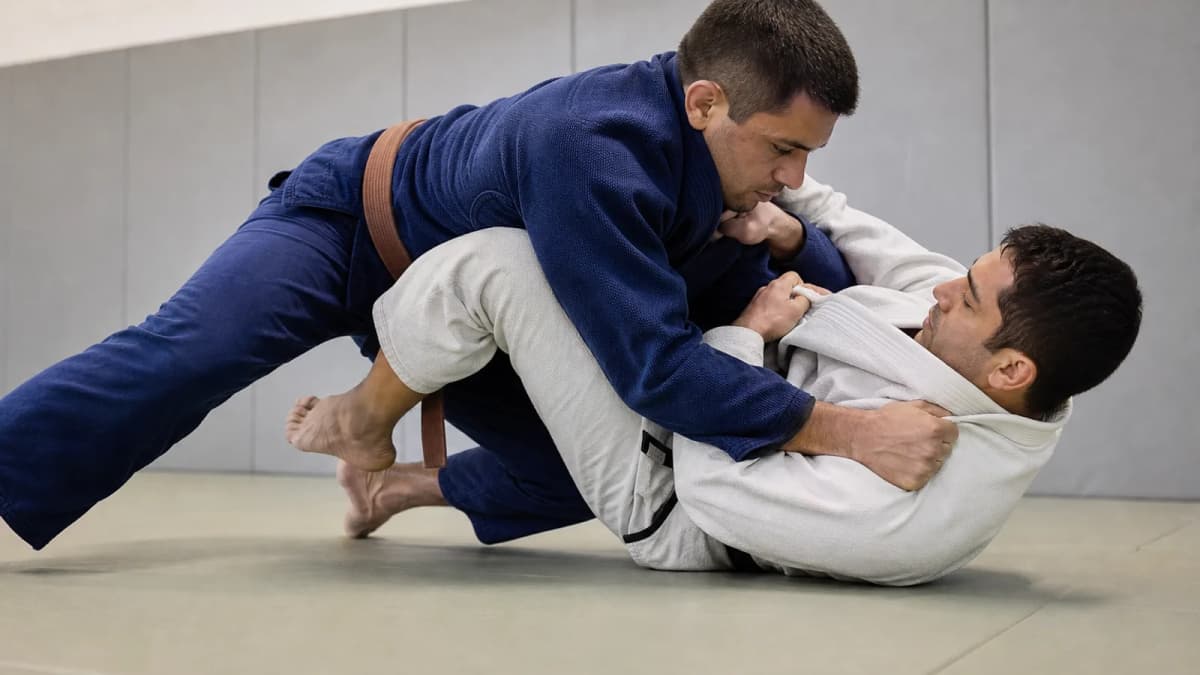
Dynamic open guard leveraging inside hooks, underhooks, and forward pressure to create sweeping opportunities.
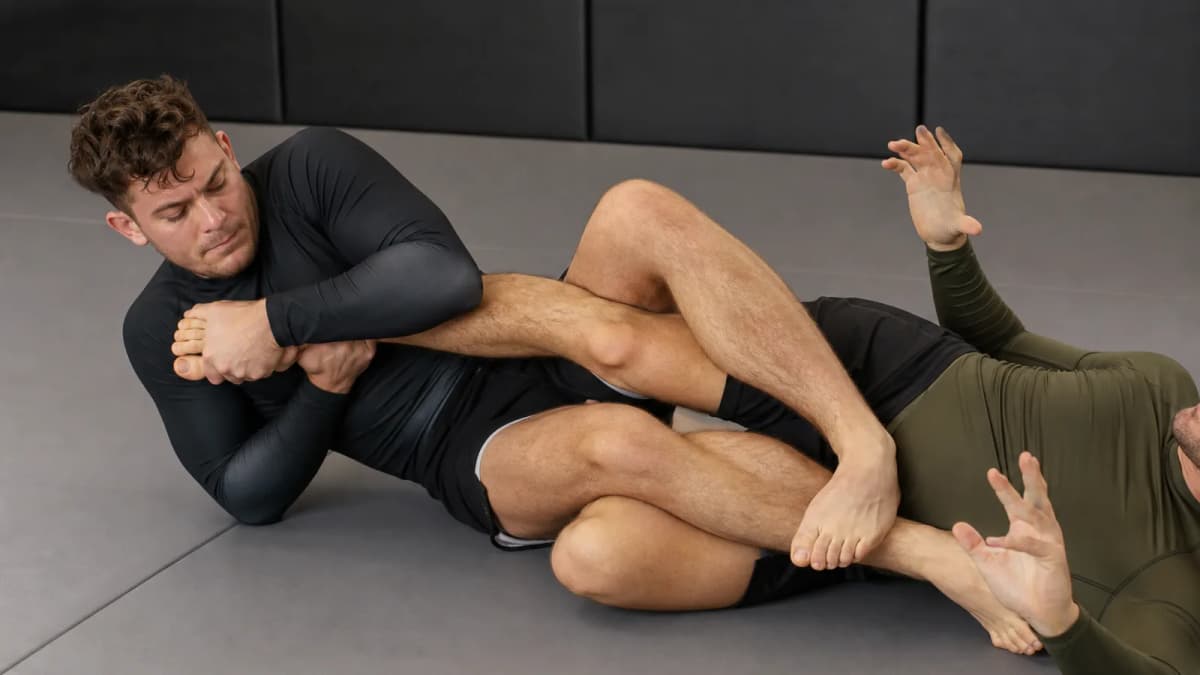
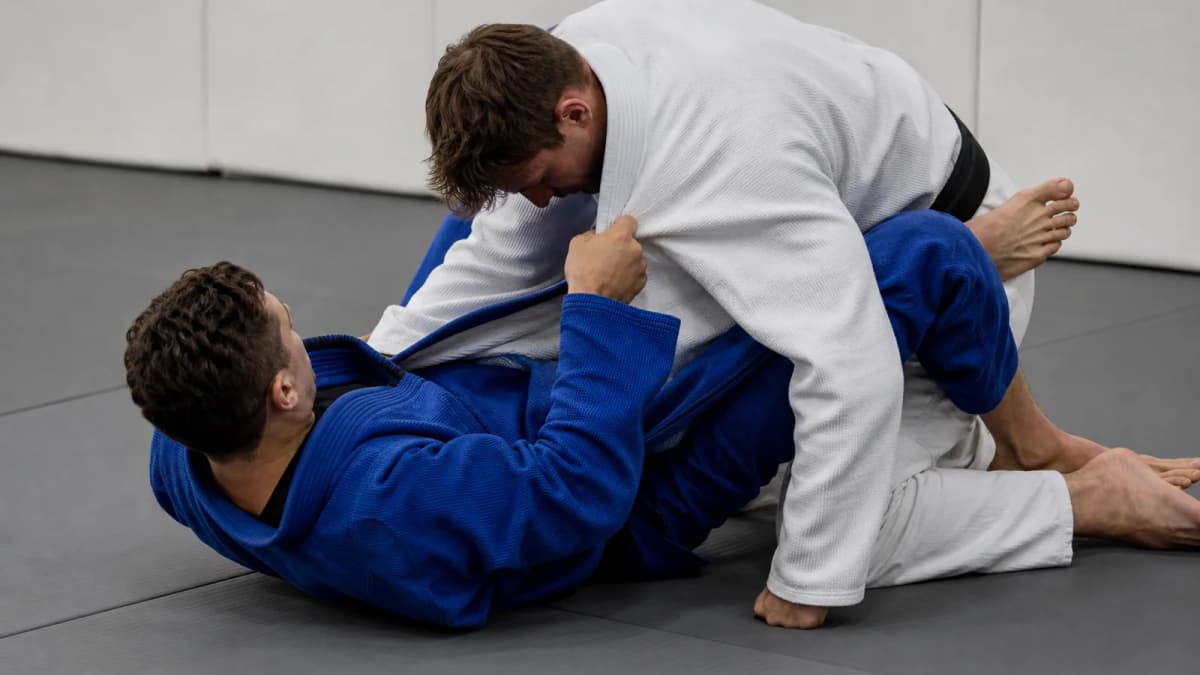
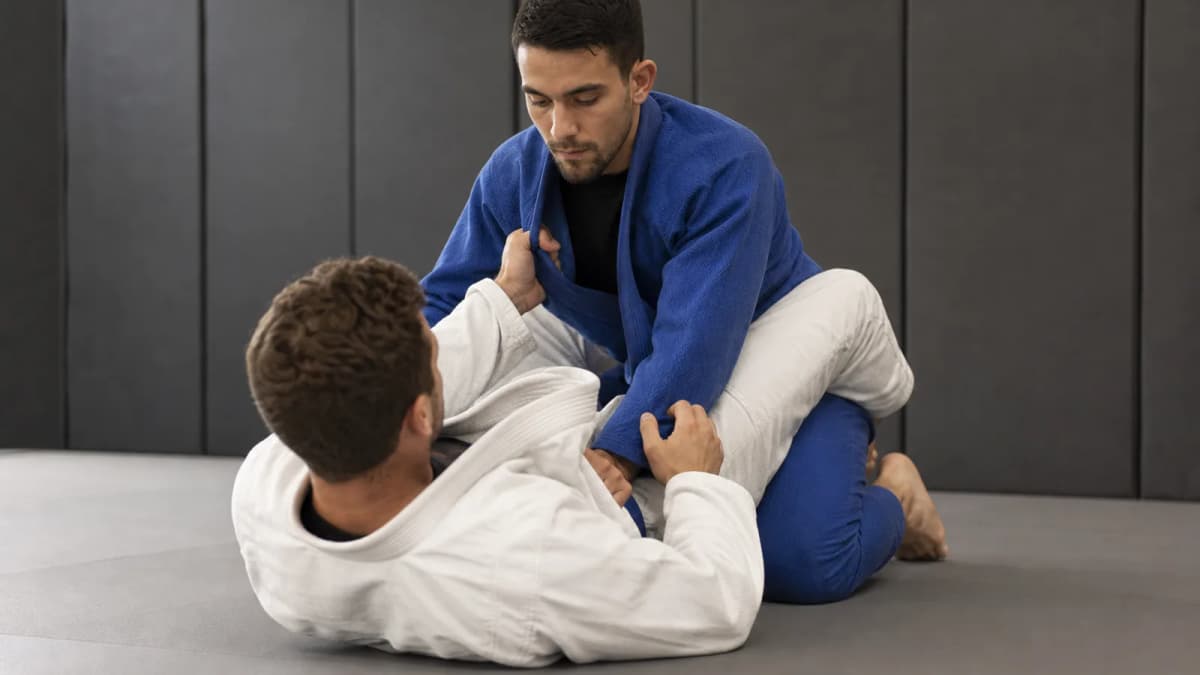
Fundamental defensive guard with strong control and high-percentage attacks.
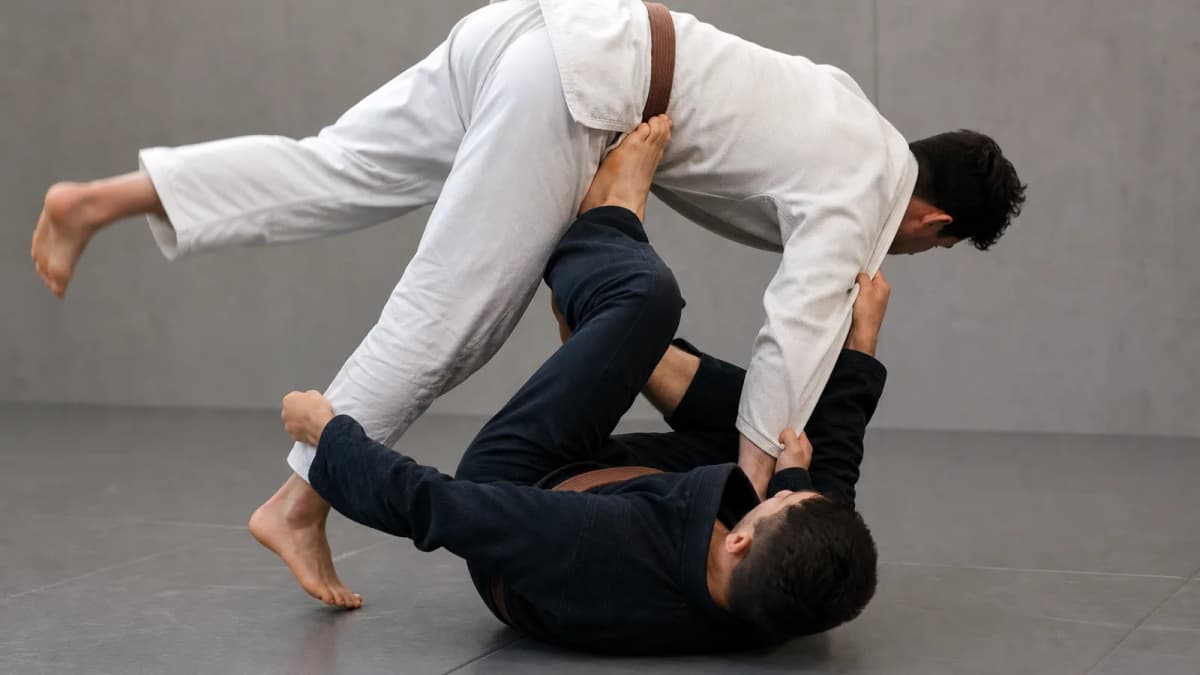
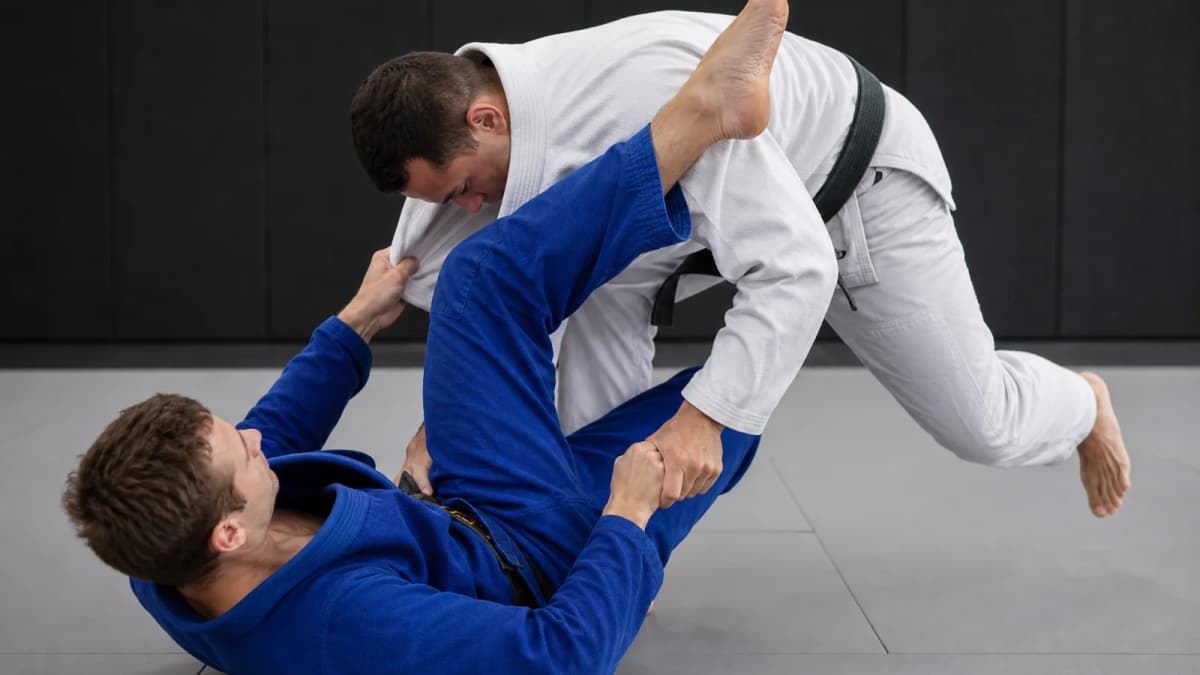
Outside hook guard that controls the lead leg — a modern staple for sweeps, back takes, and berimbolo entries.
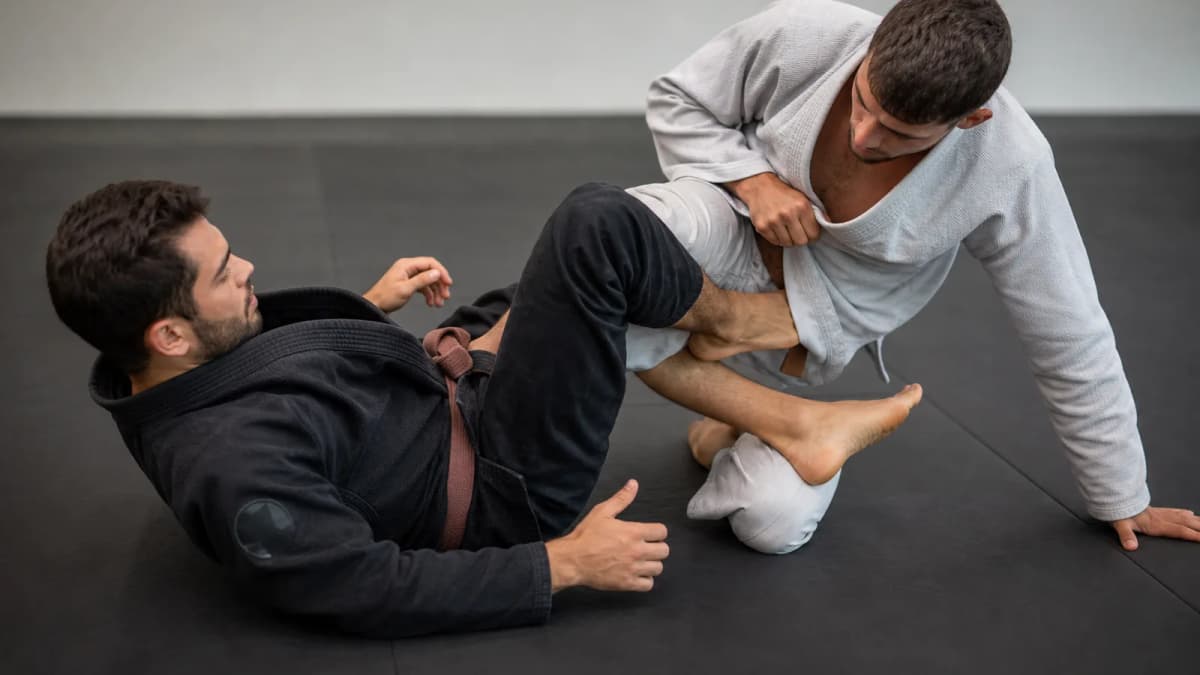
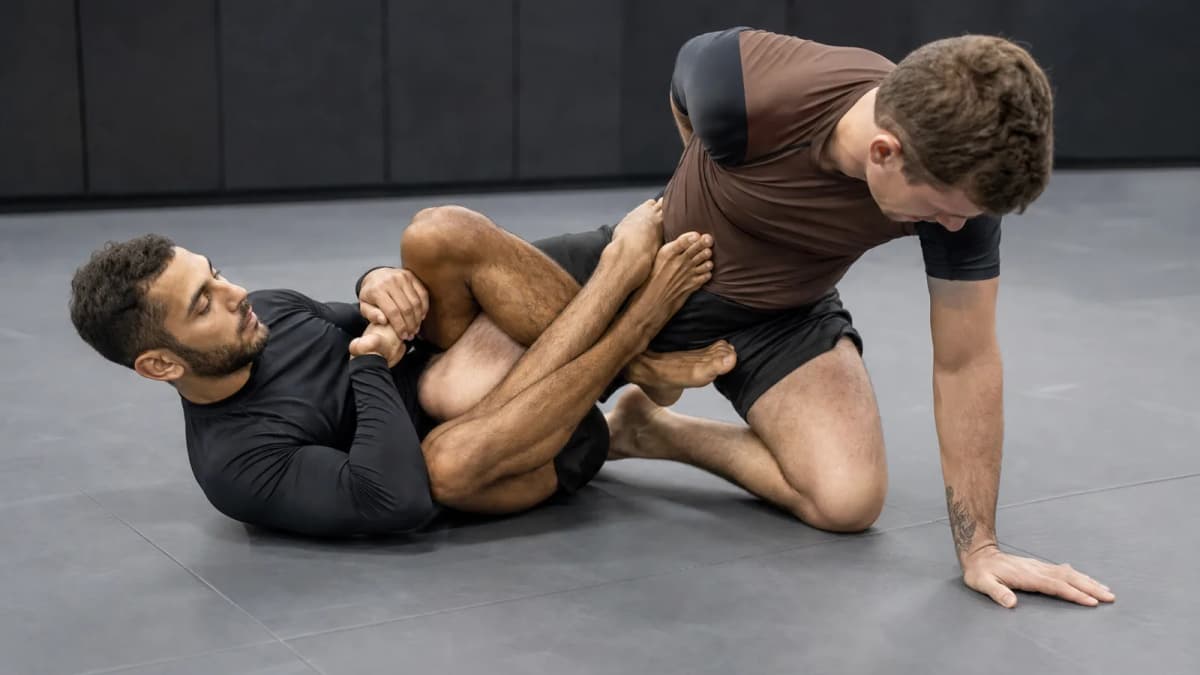
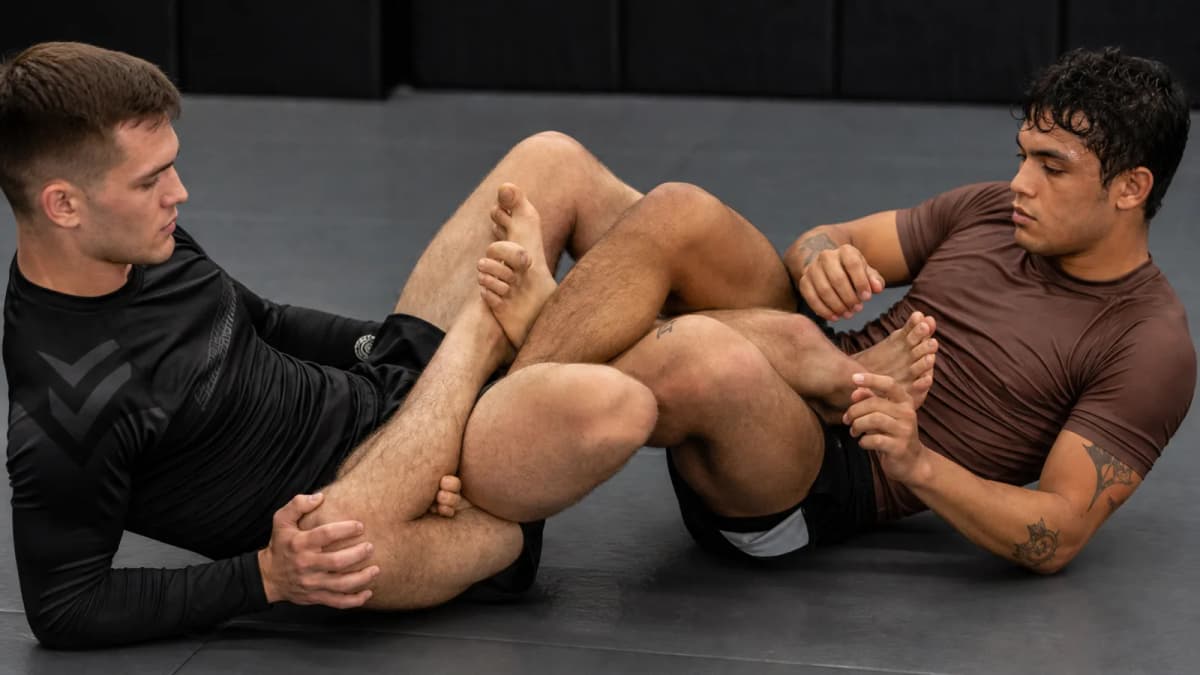
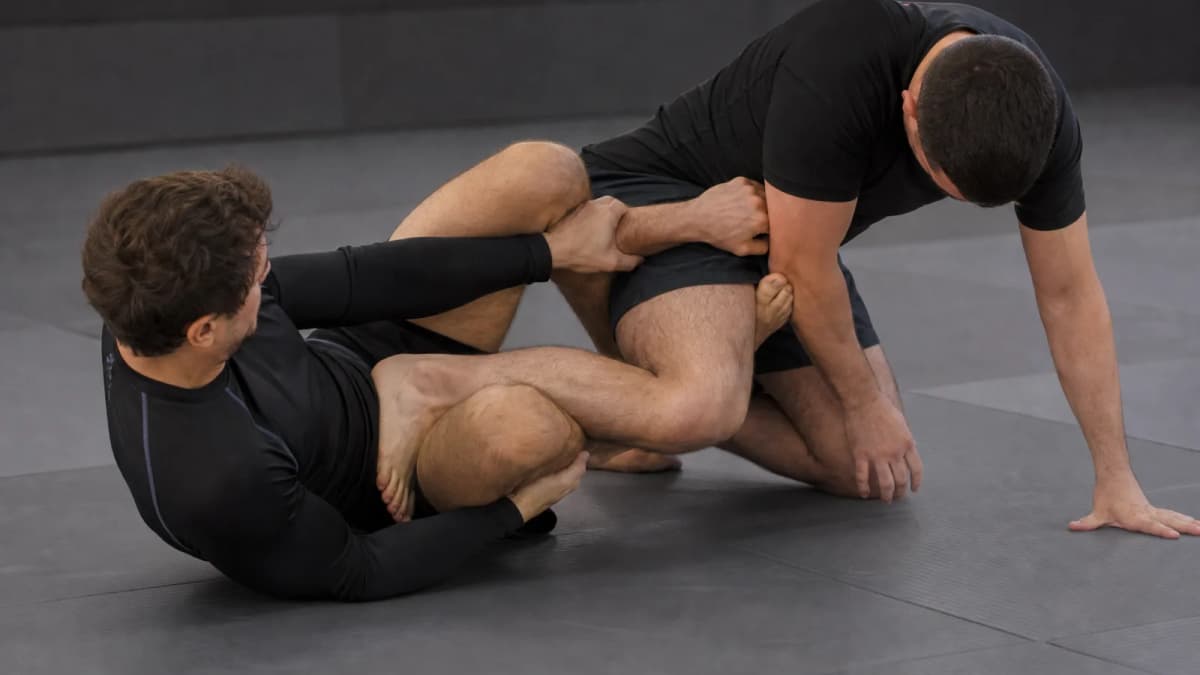
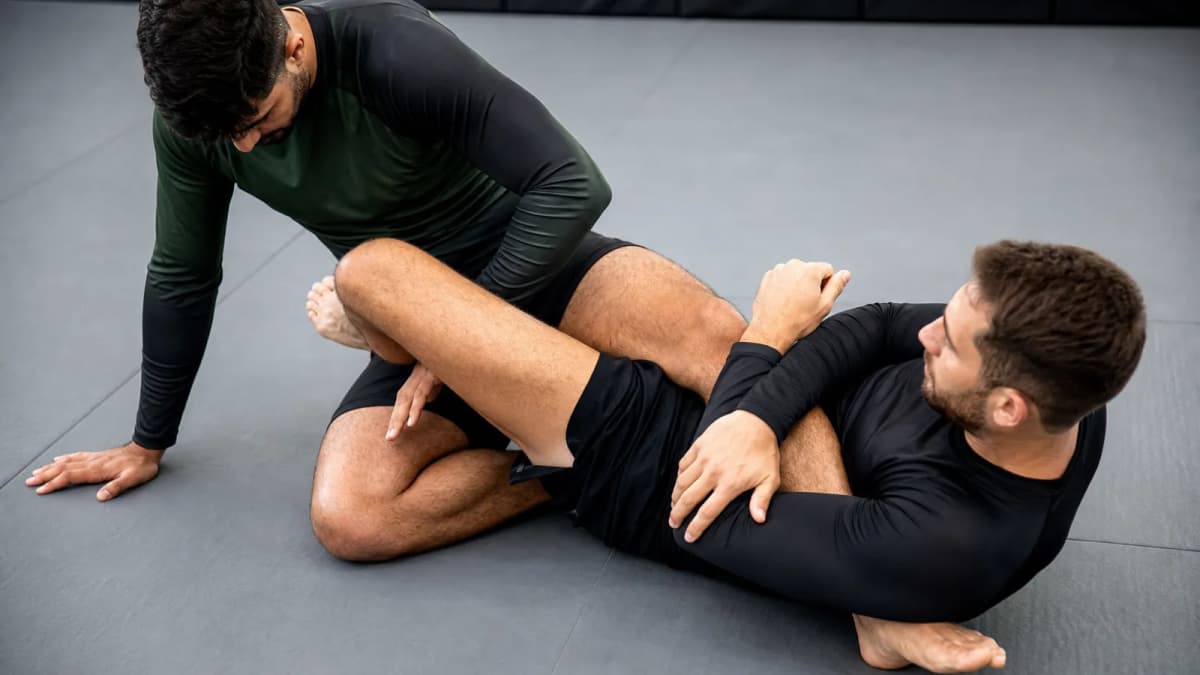
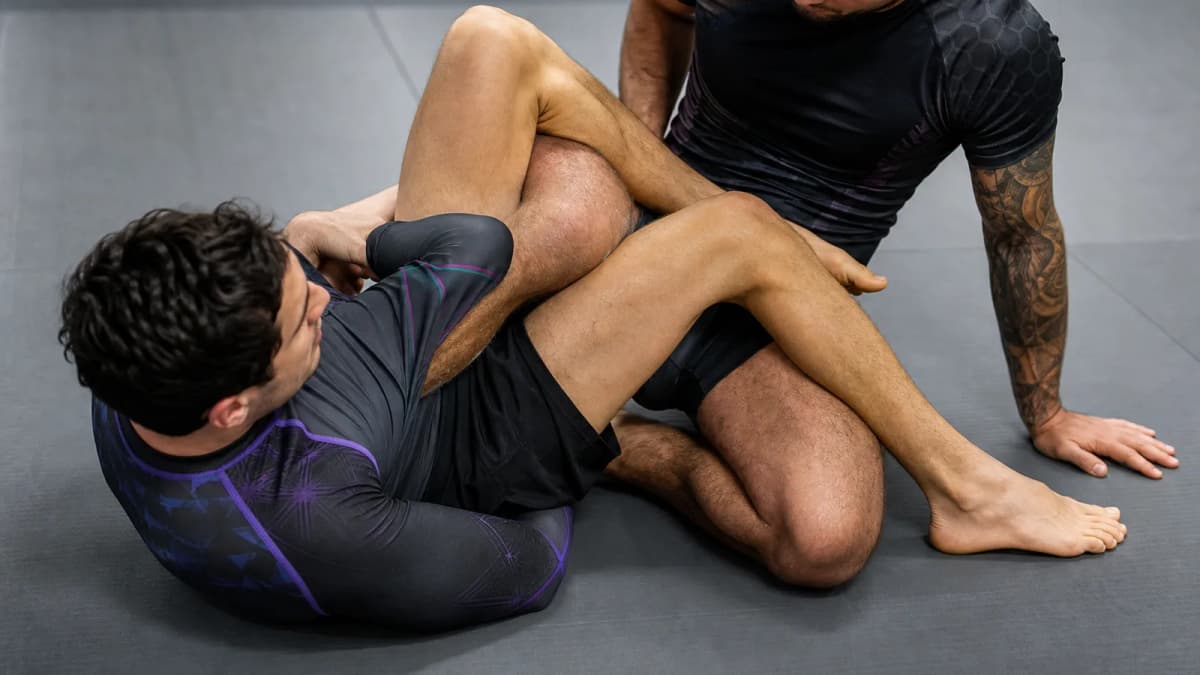
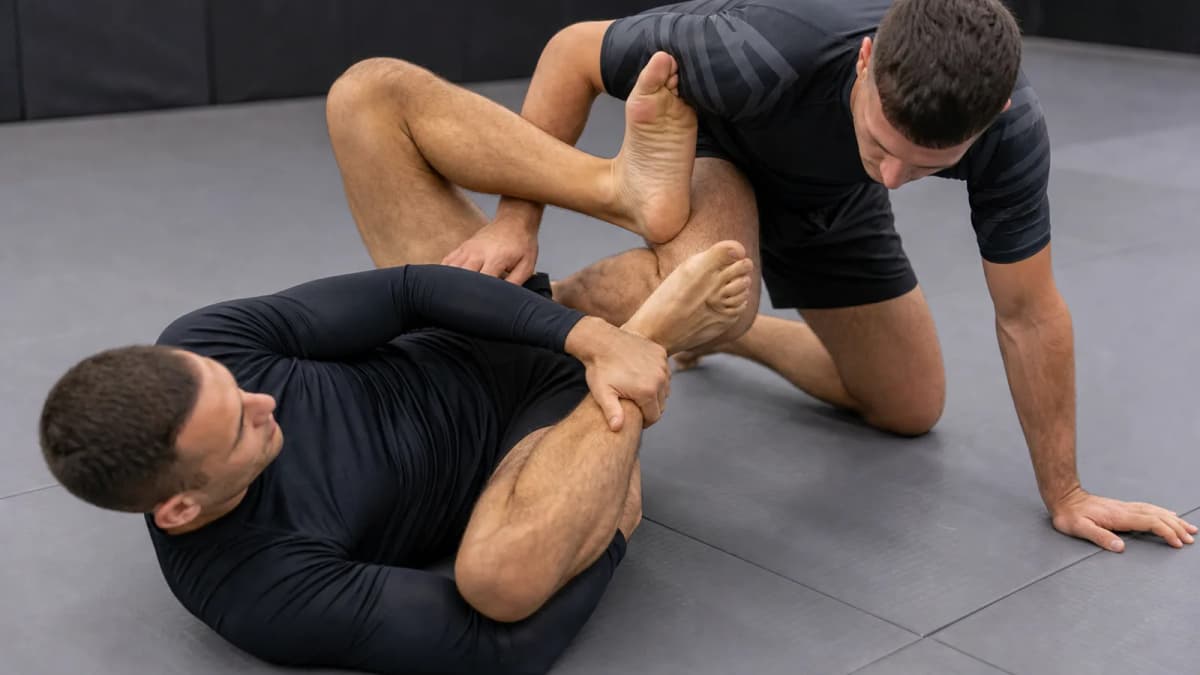
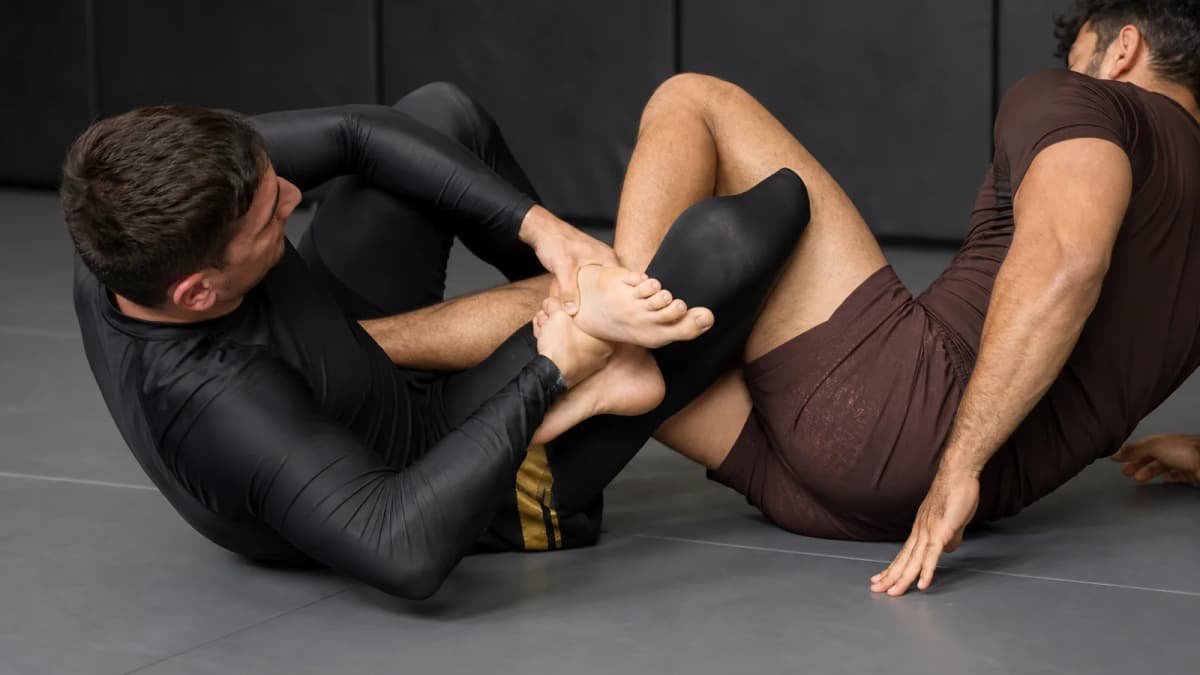
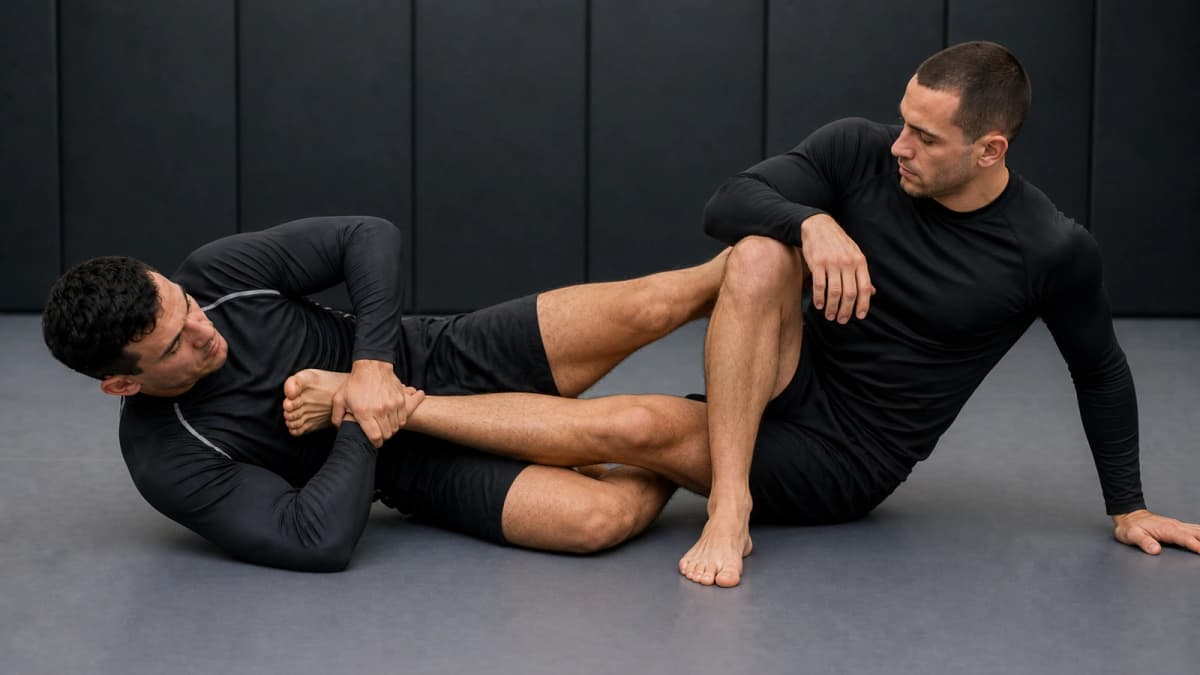
Symmetric leg entanglement where both players share leg configuration — hub for ankle locks and modern leg wars.
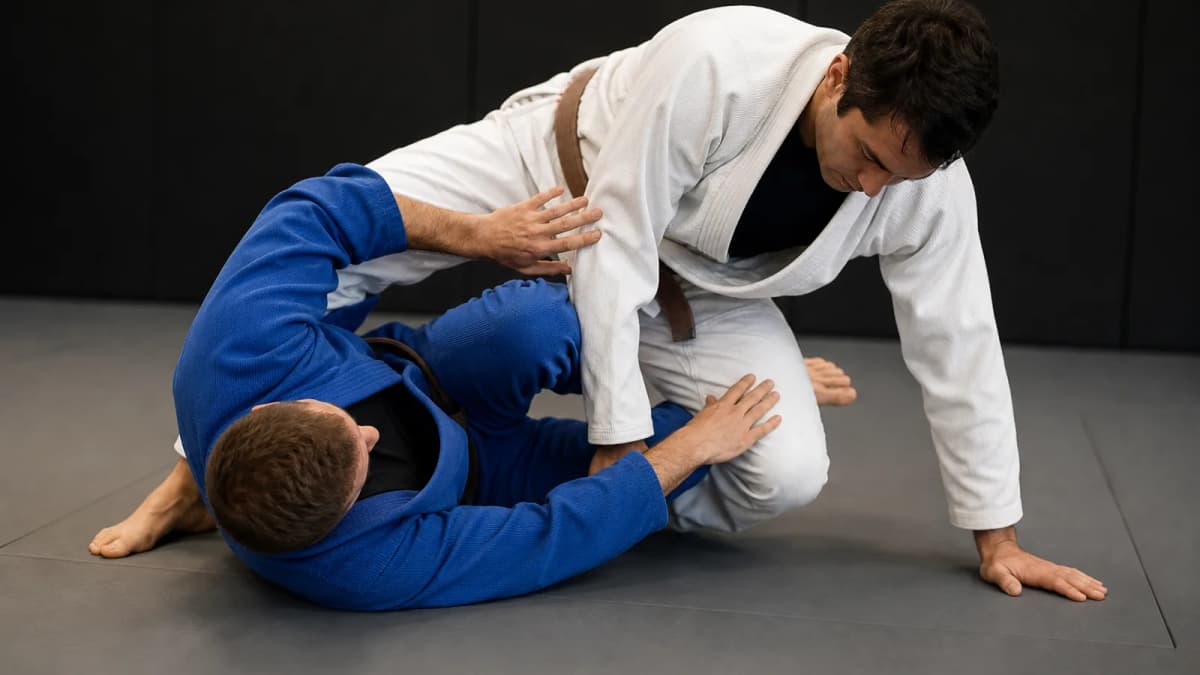
Versatile hybrid guard that blends defensive recovery with sweeping and submission options.
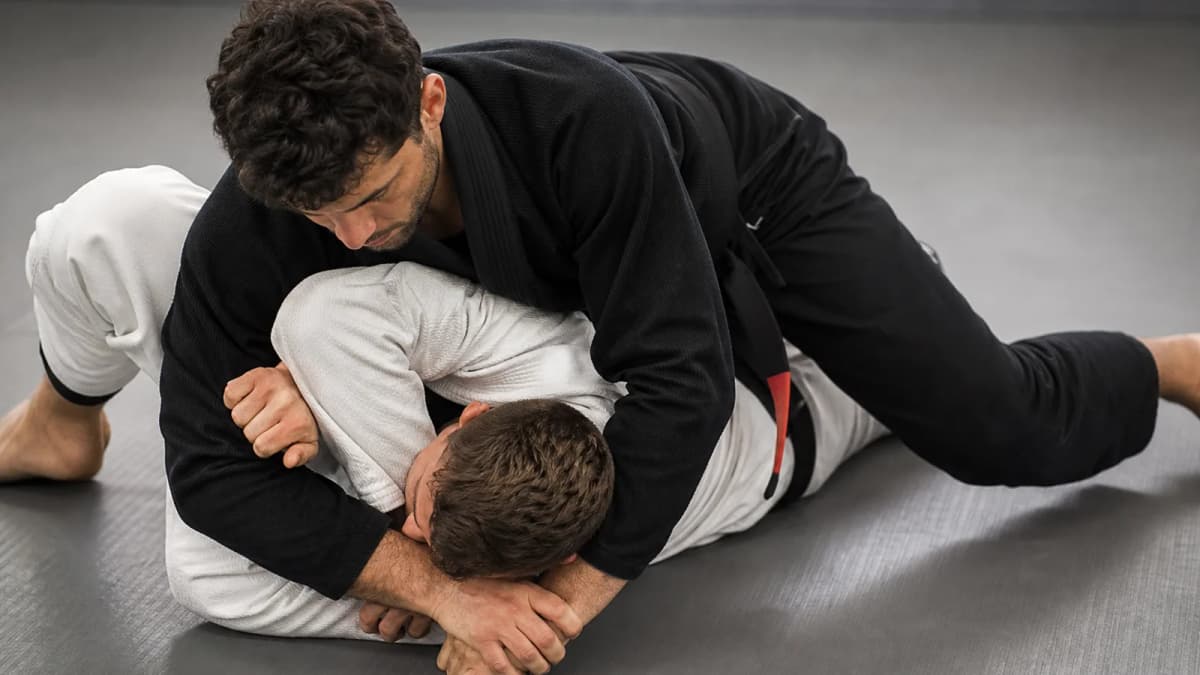
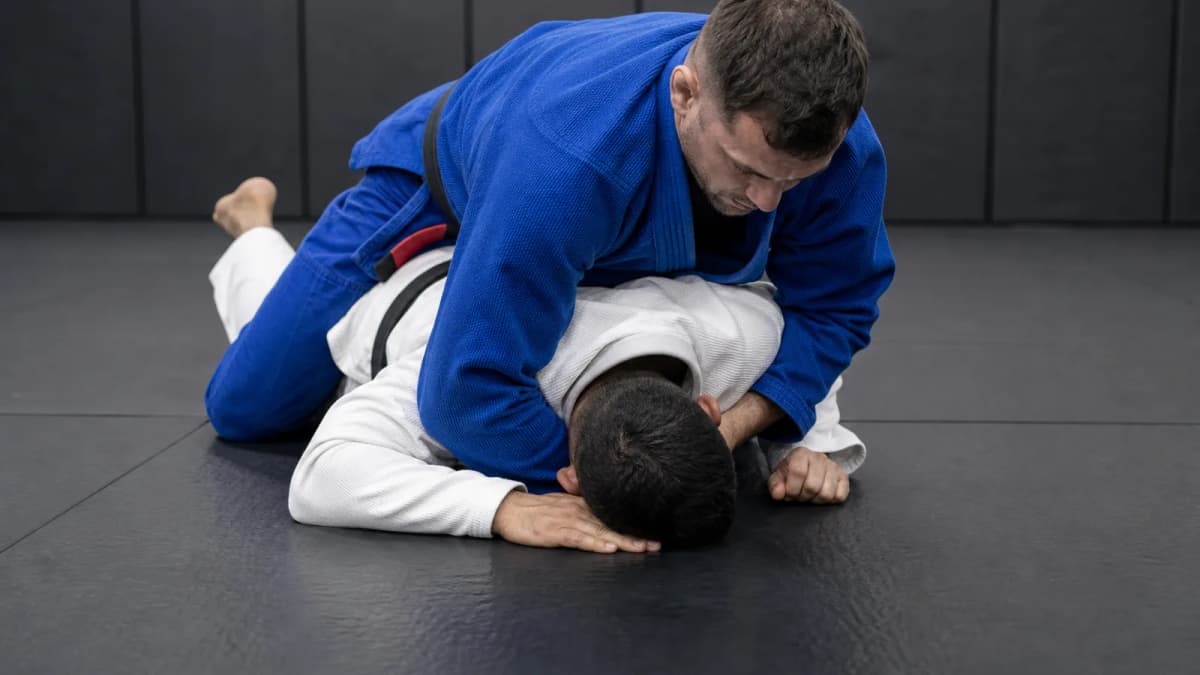
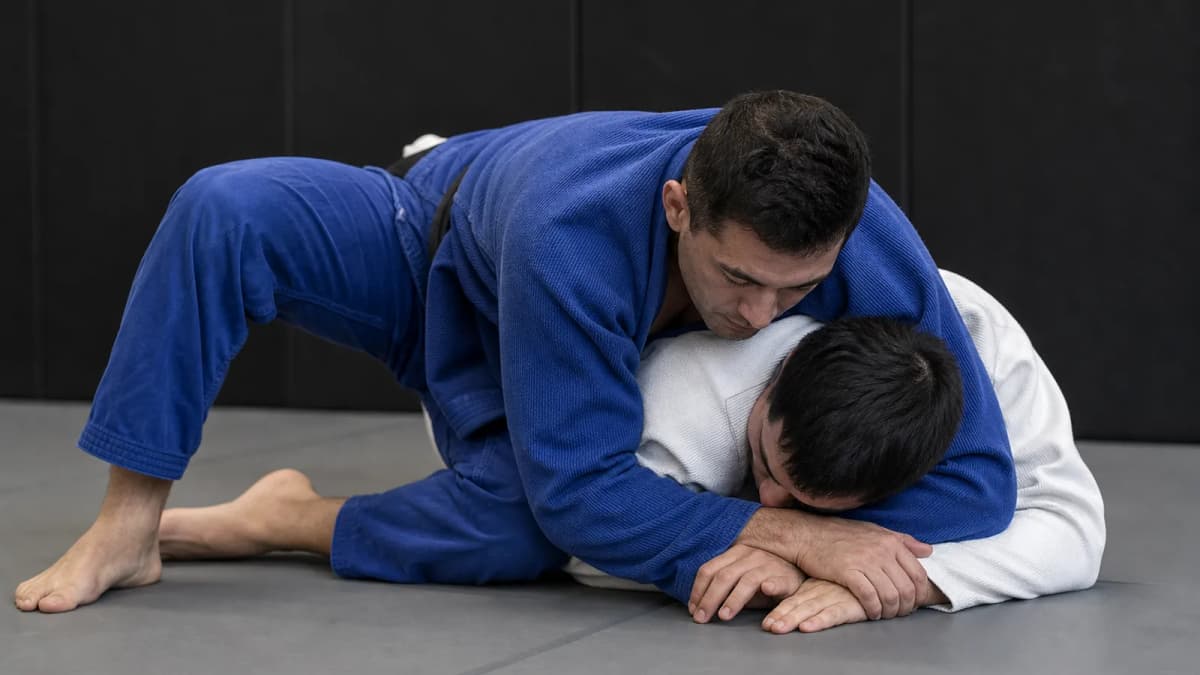
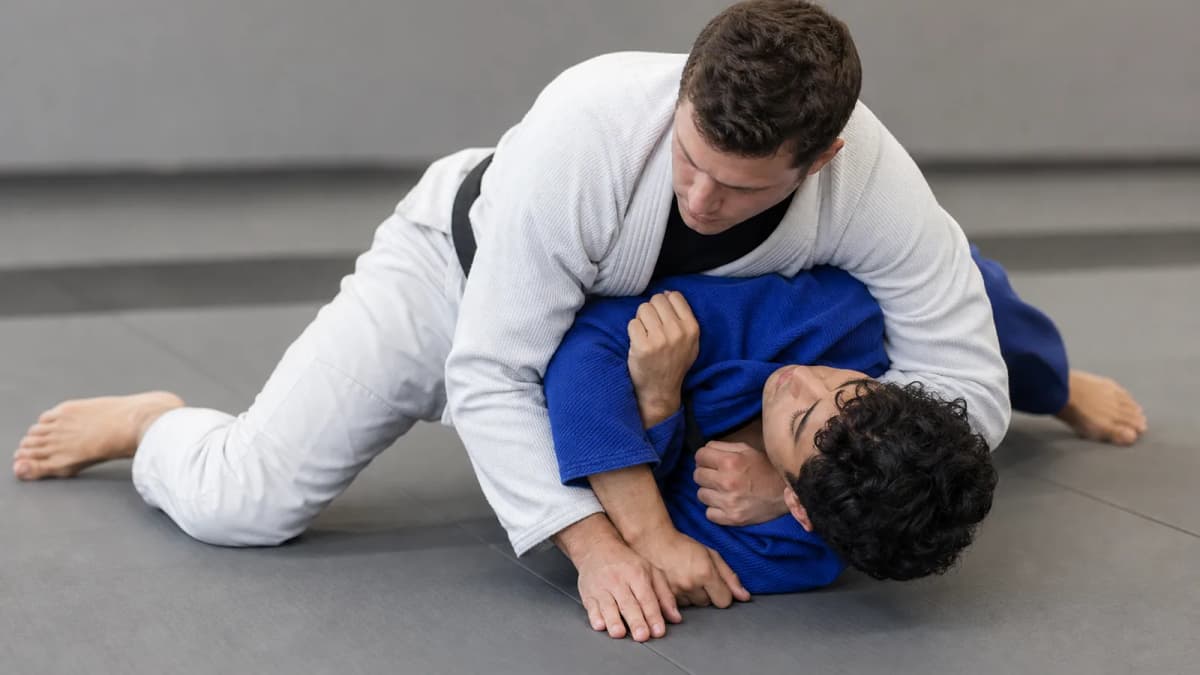
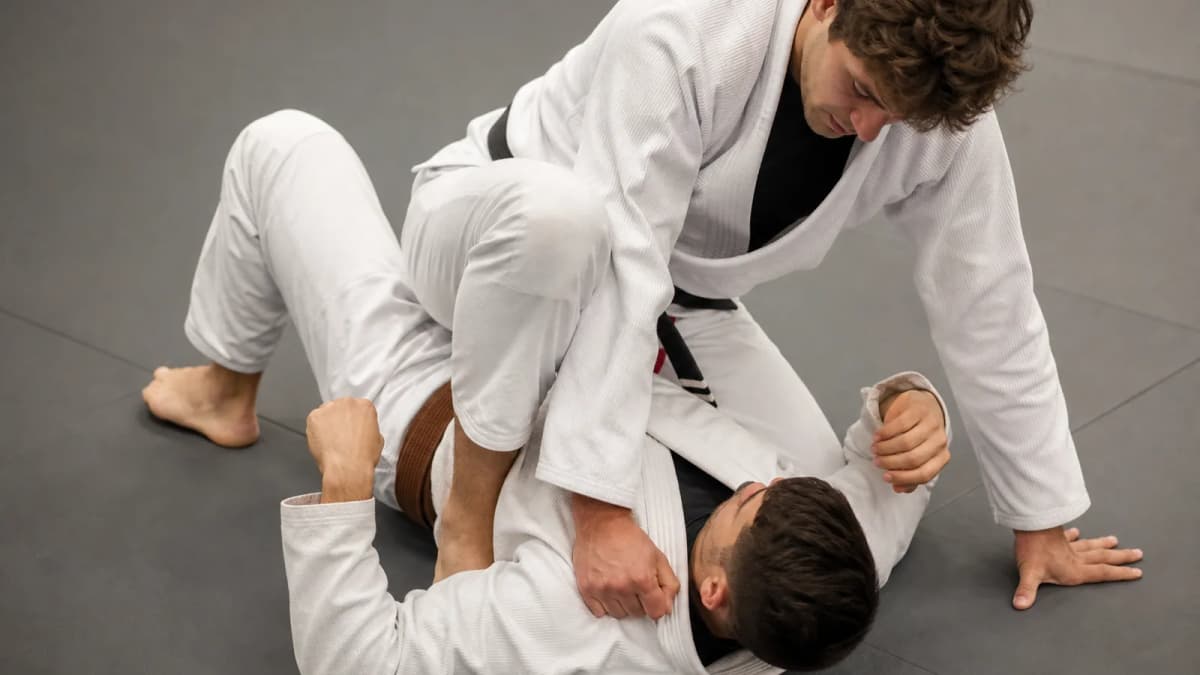
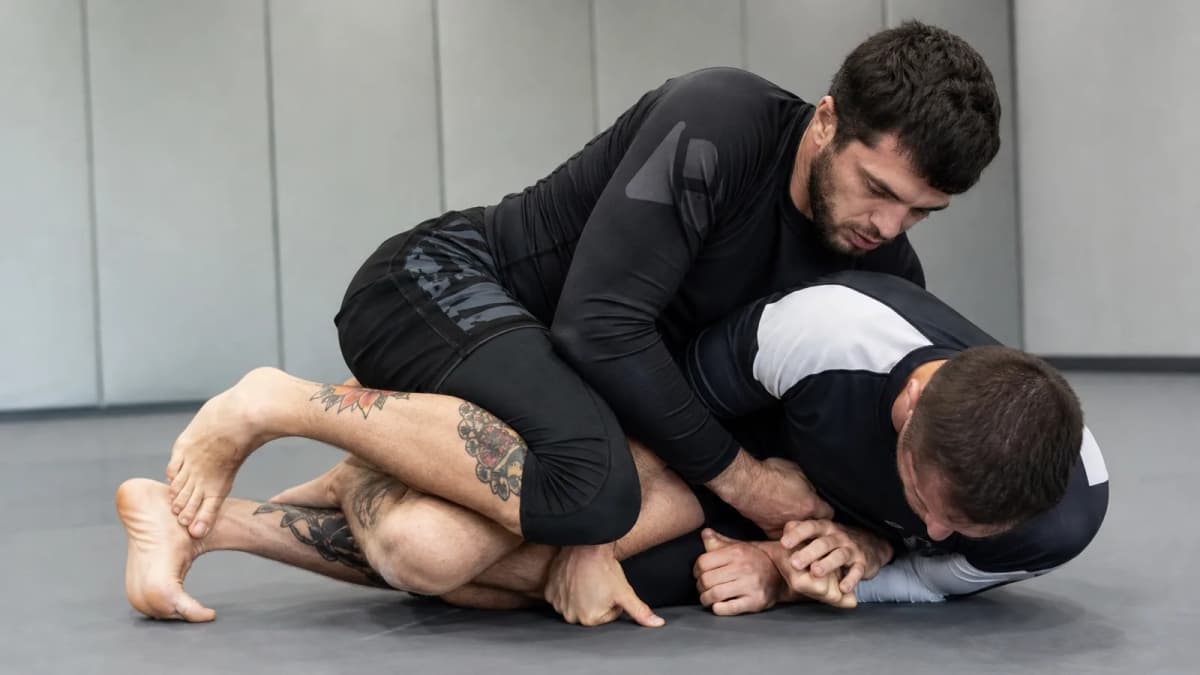
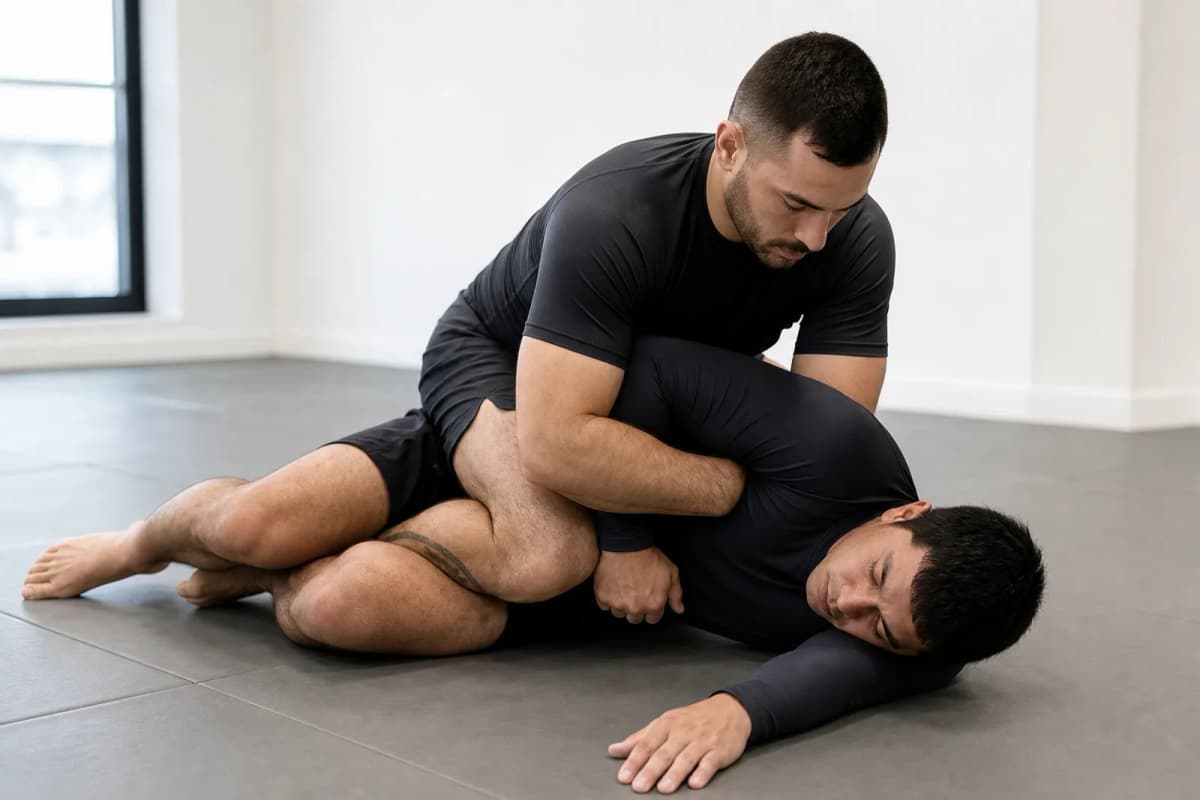
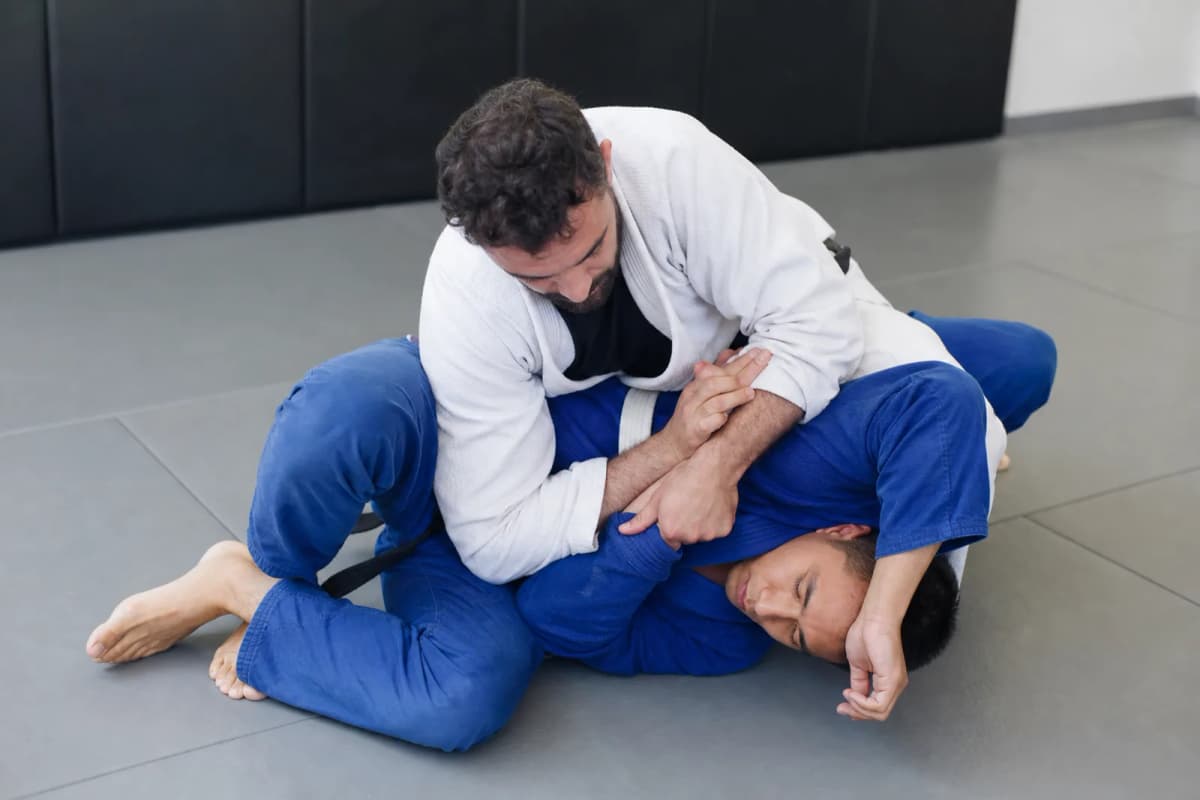
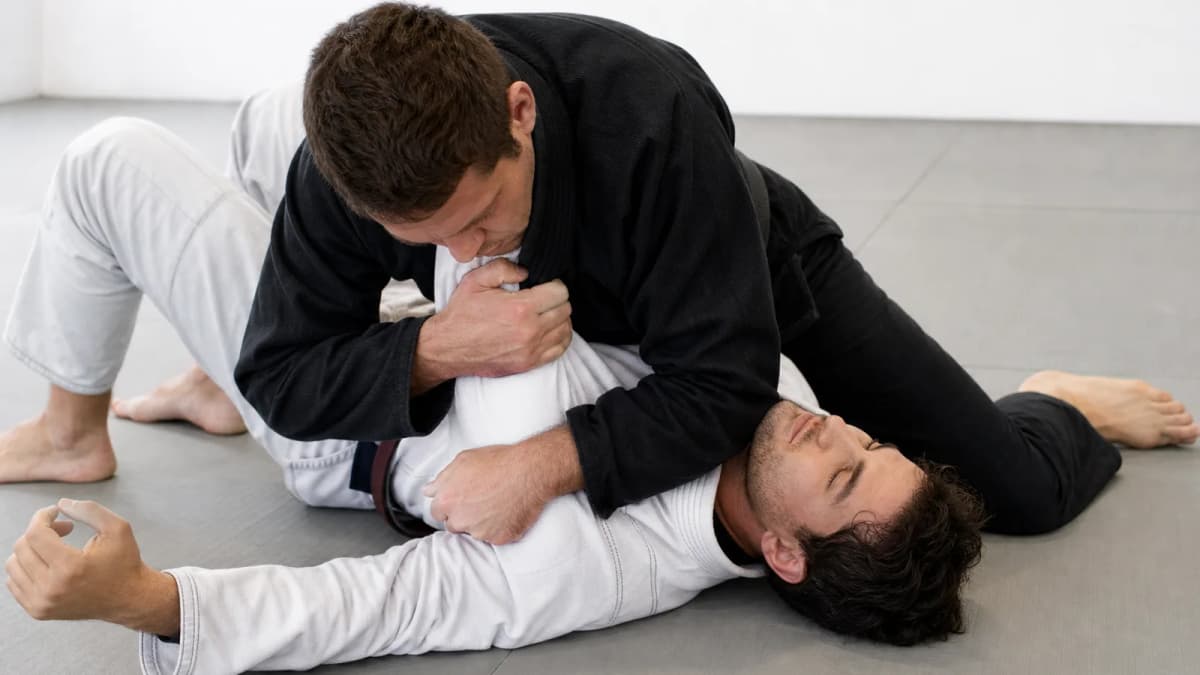
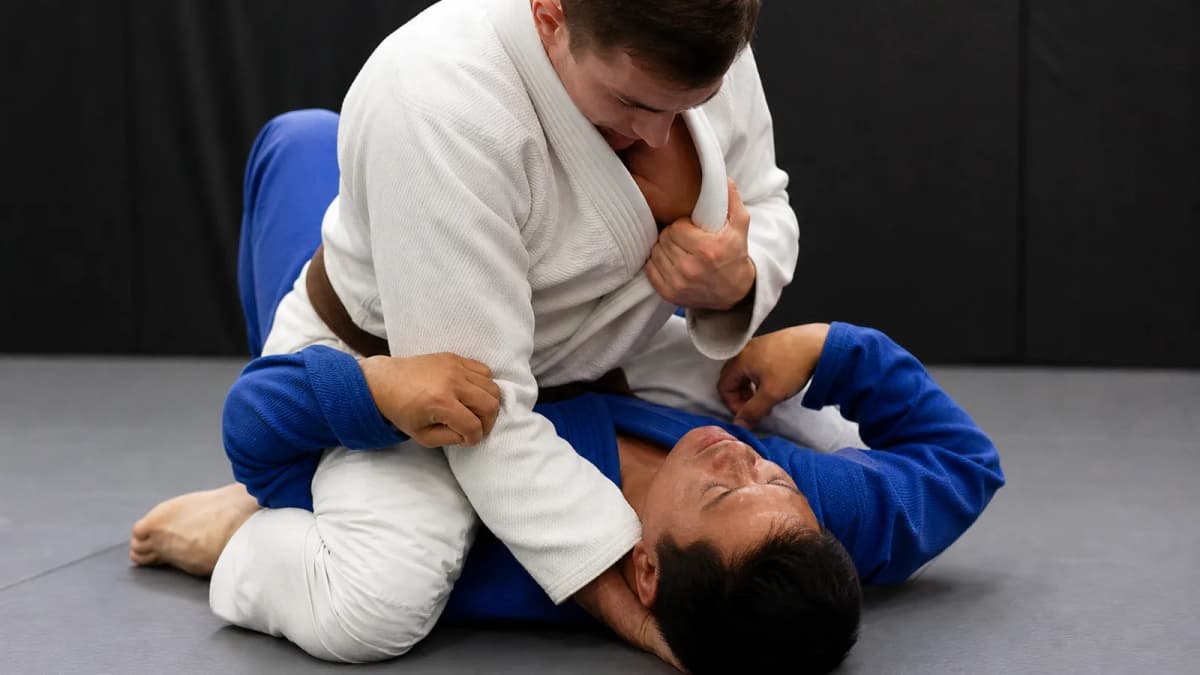
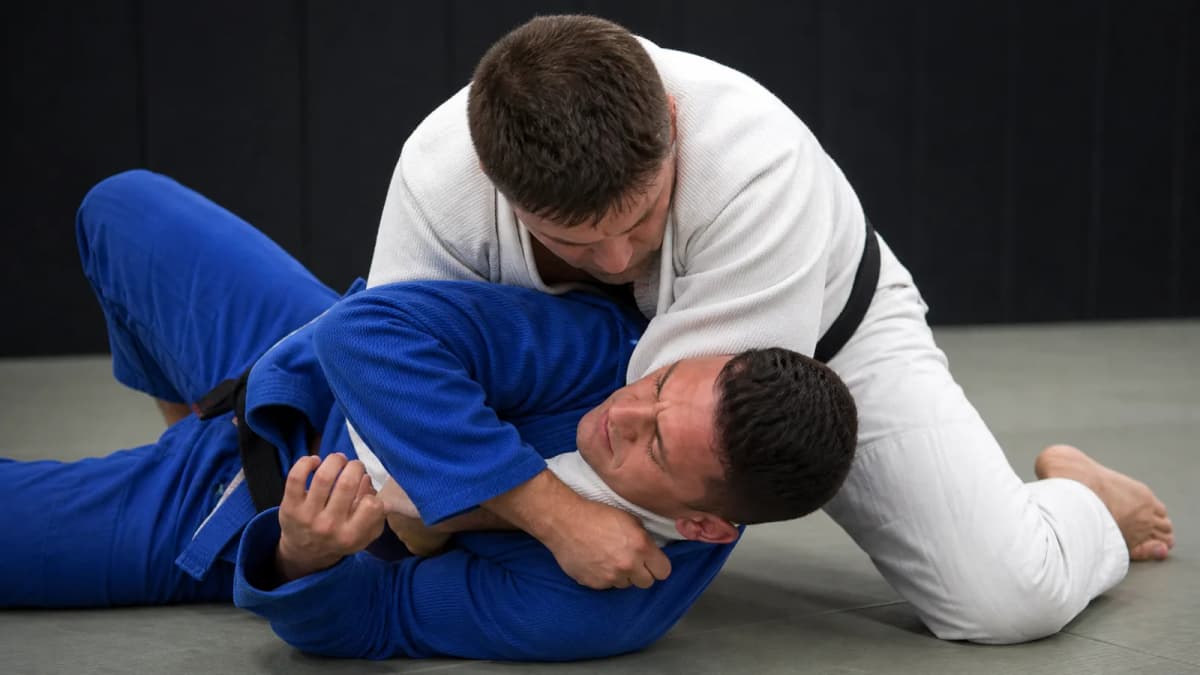
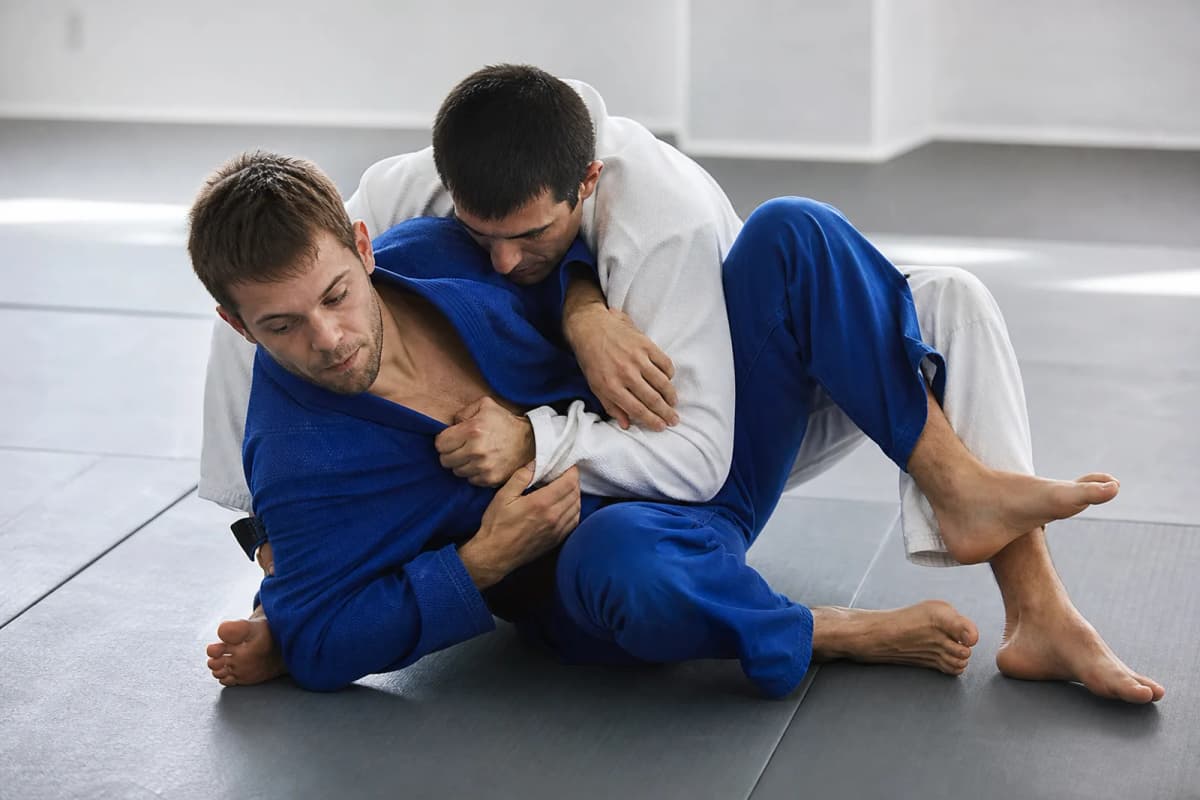
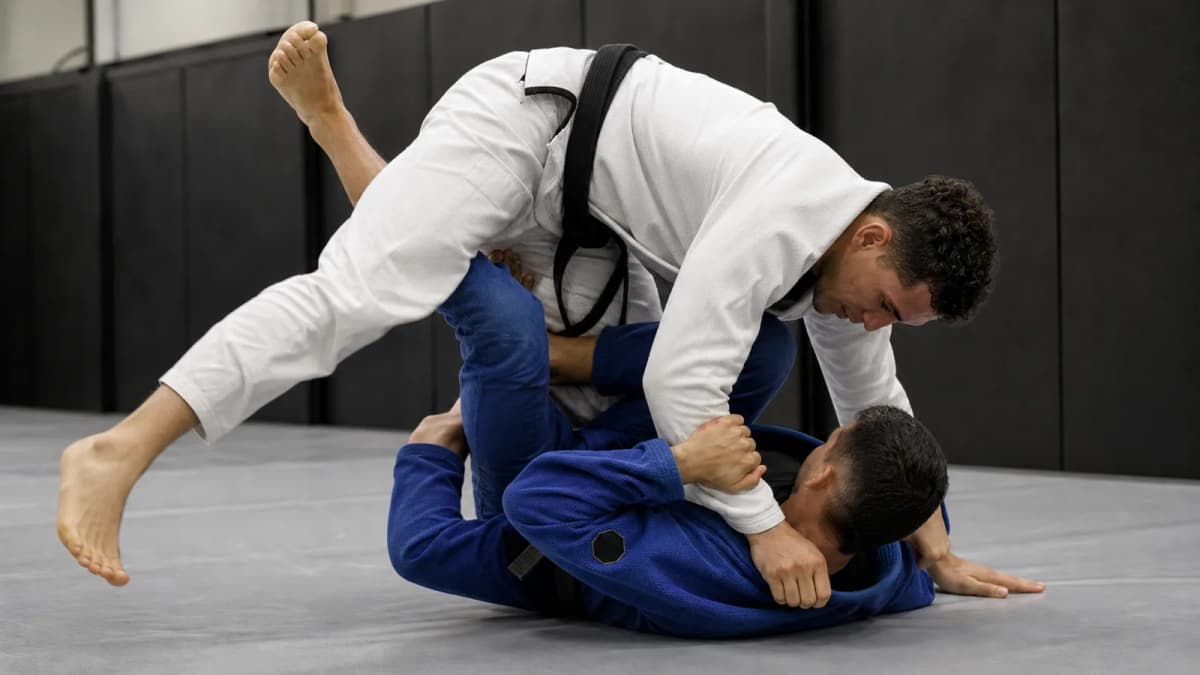
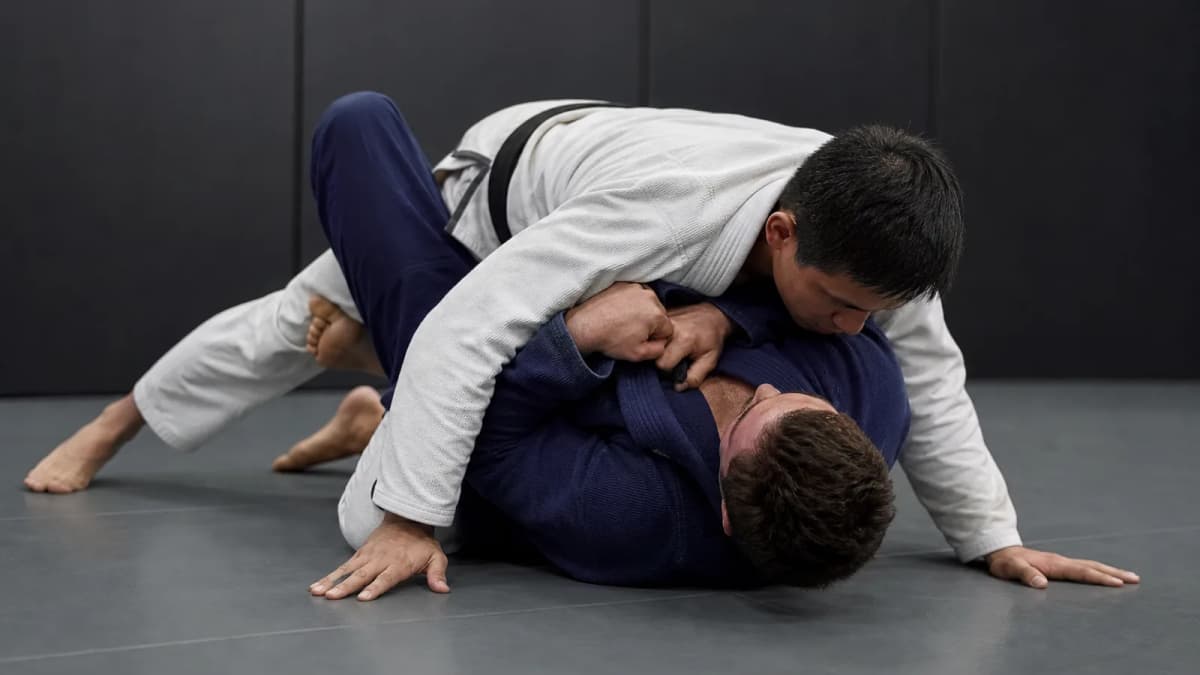
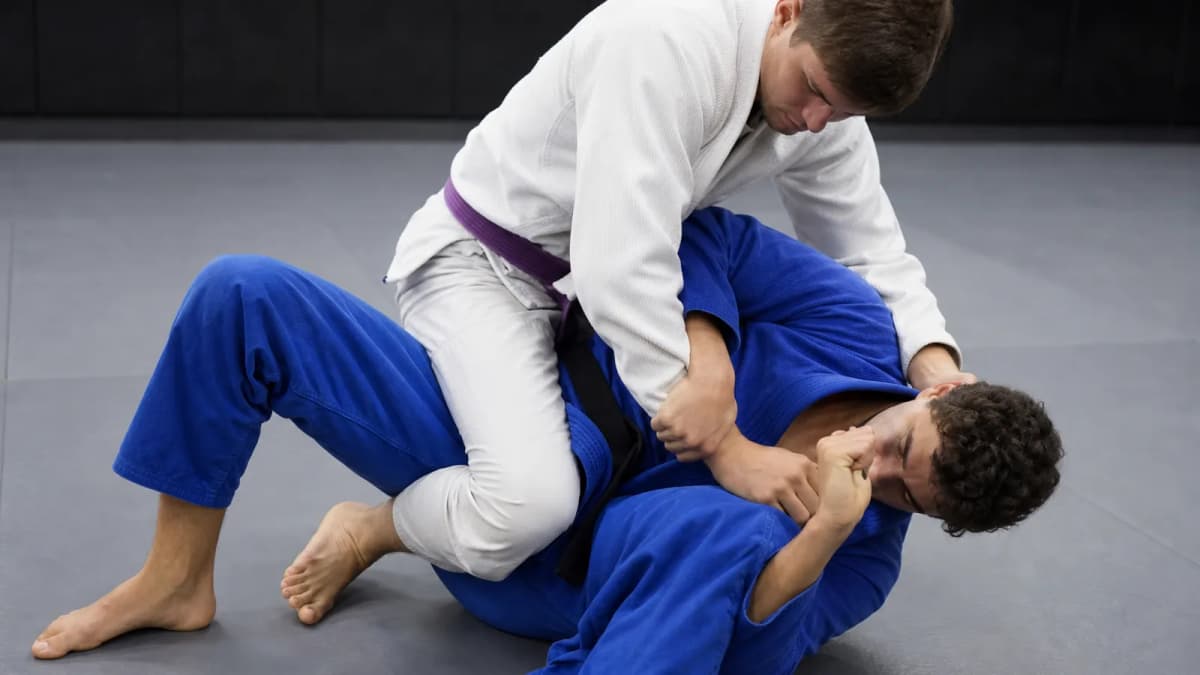
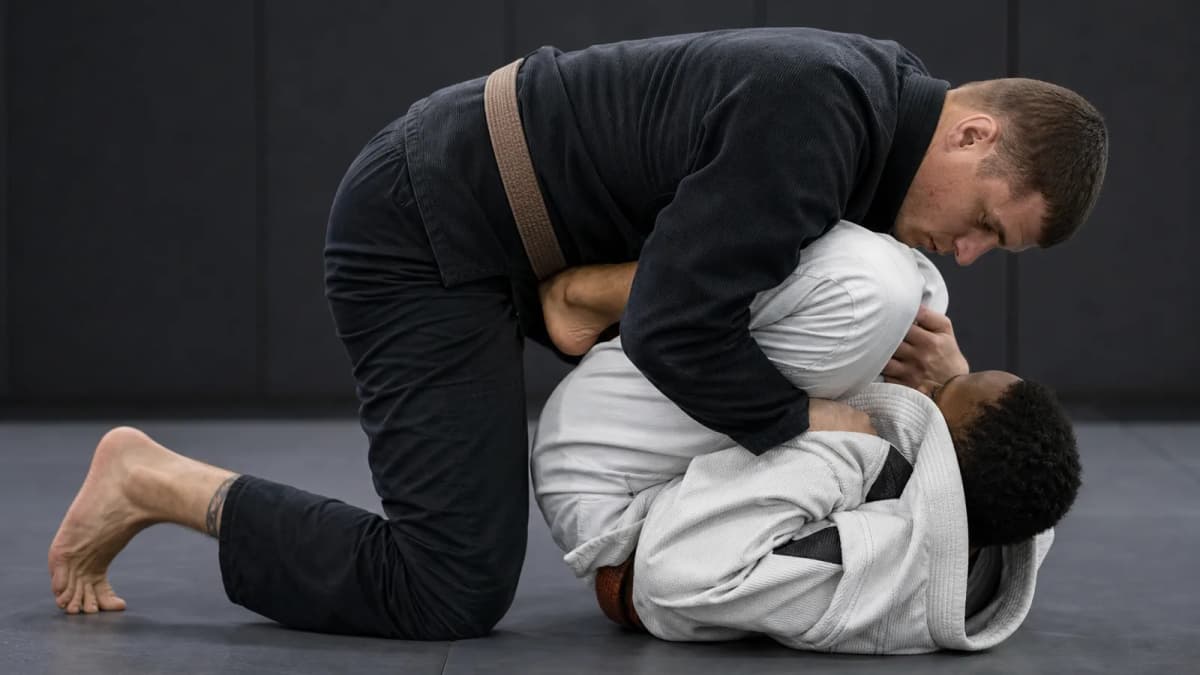
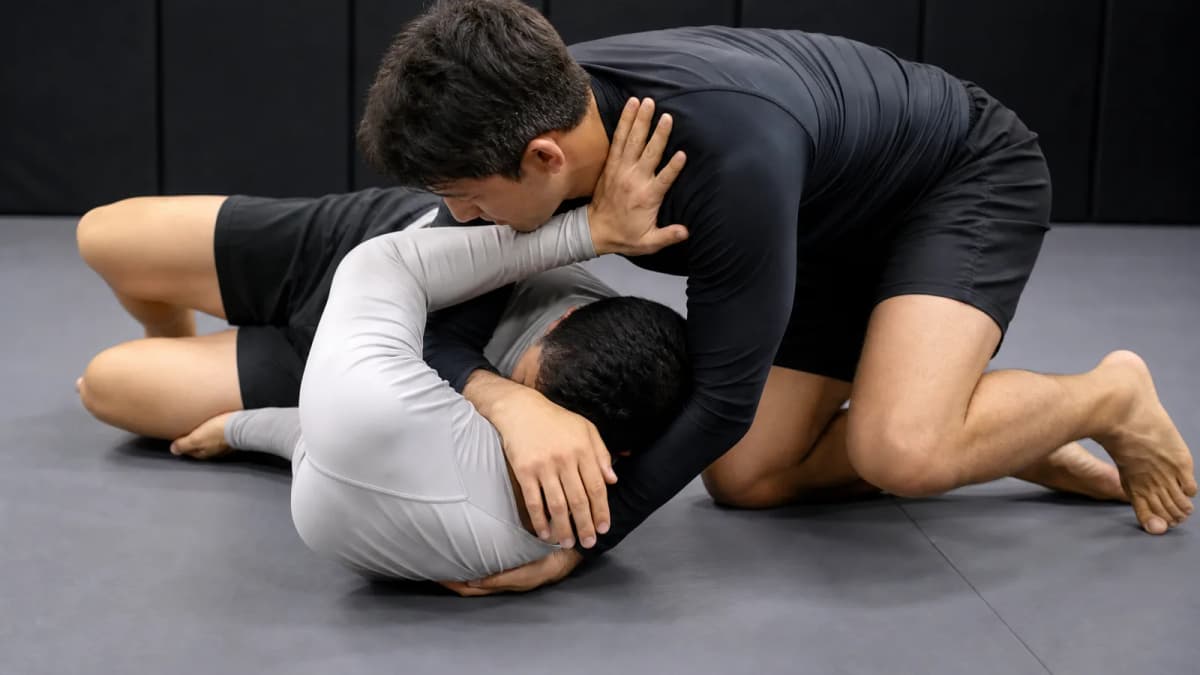
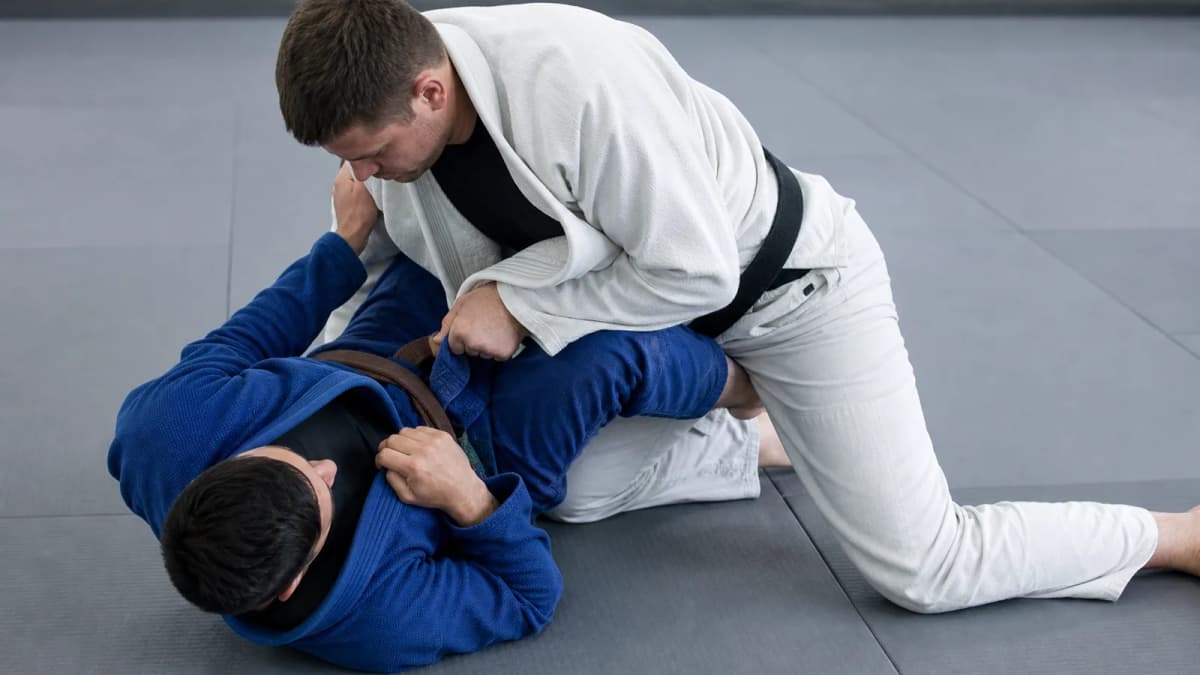
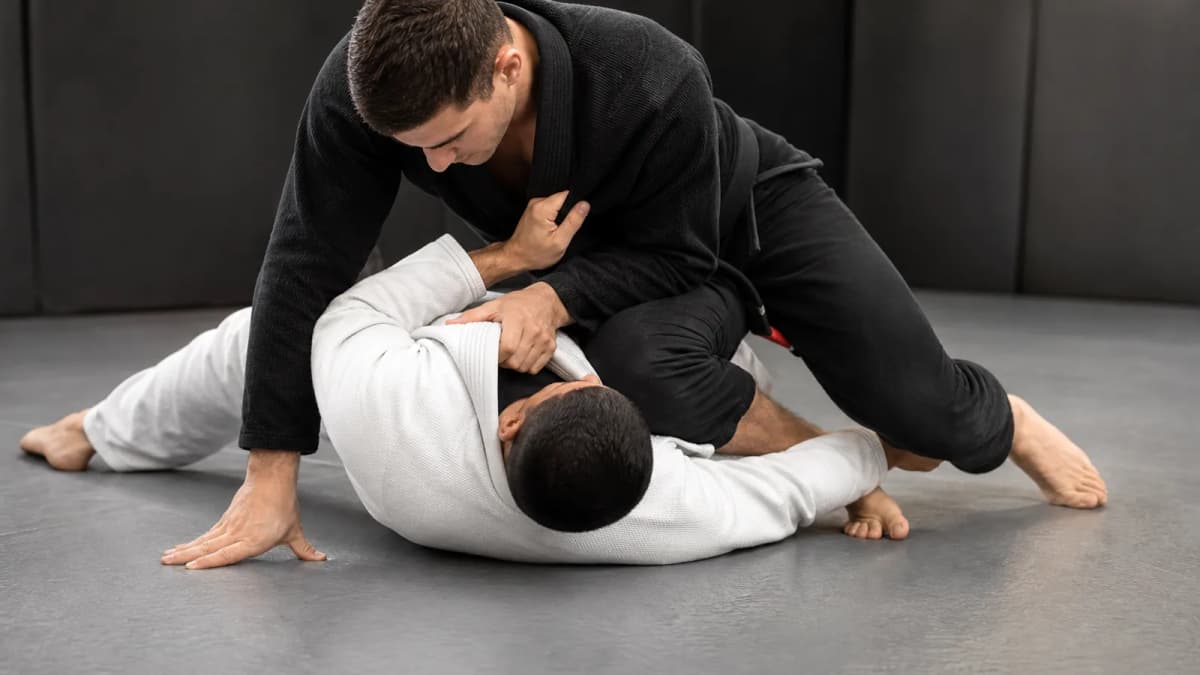
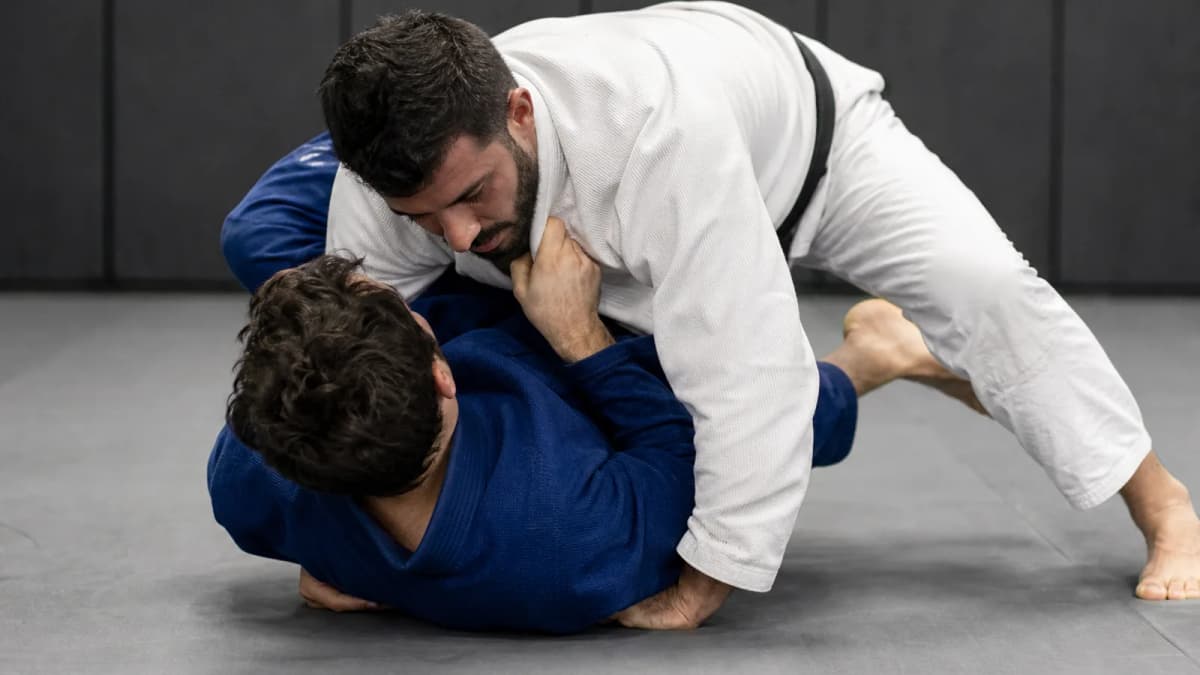
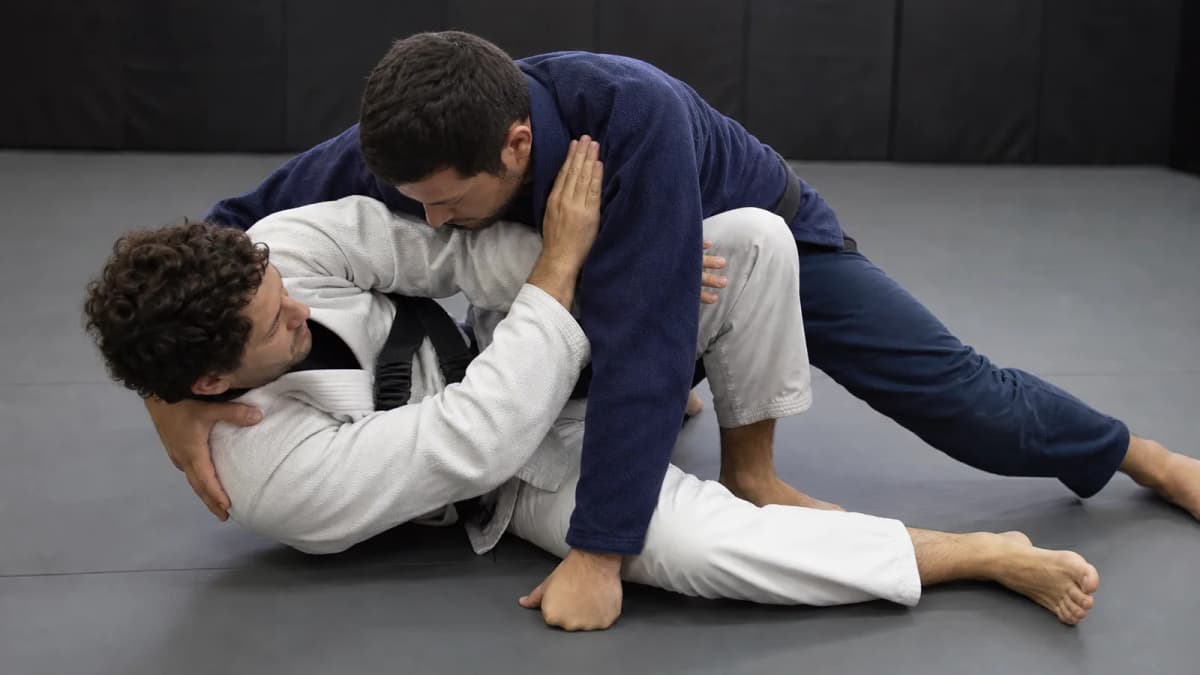
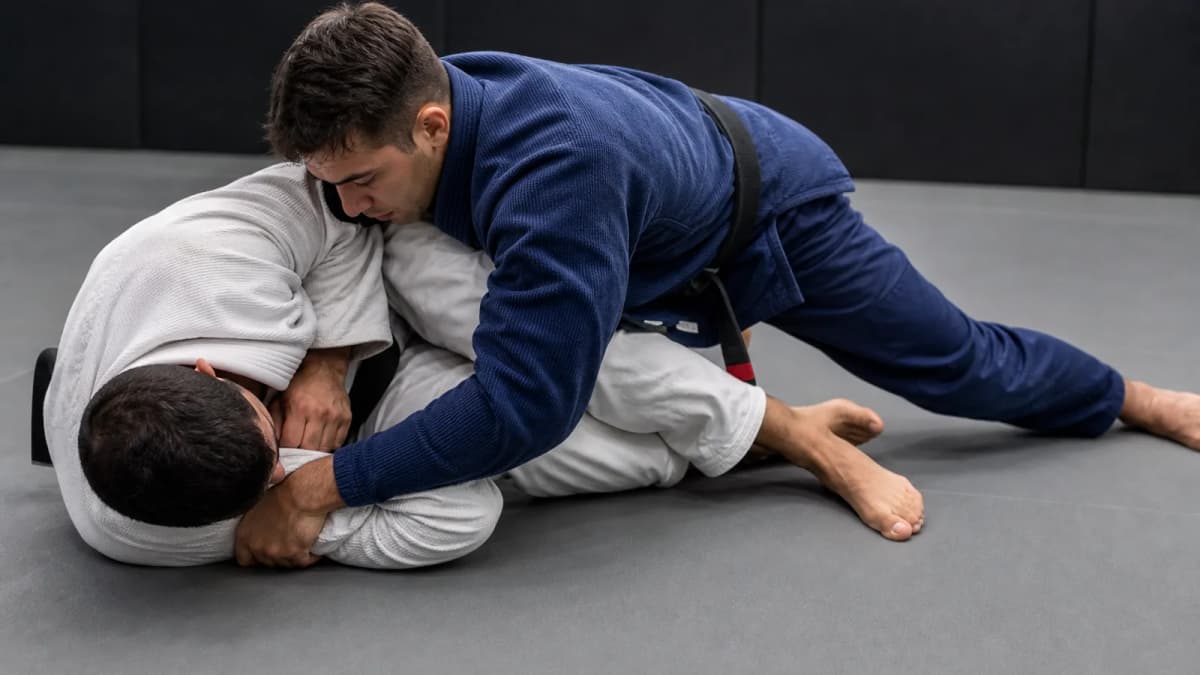
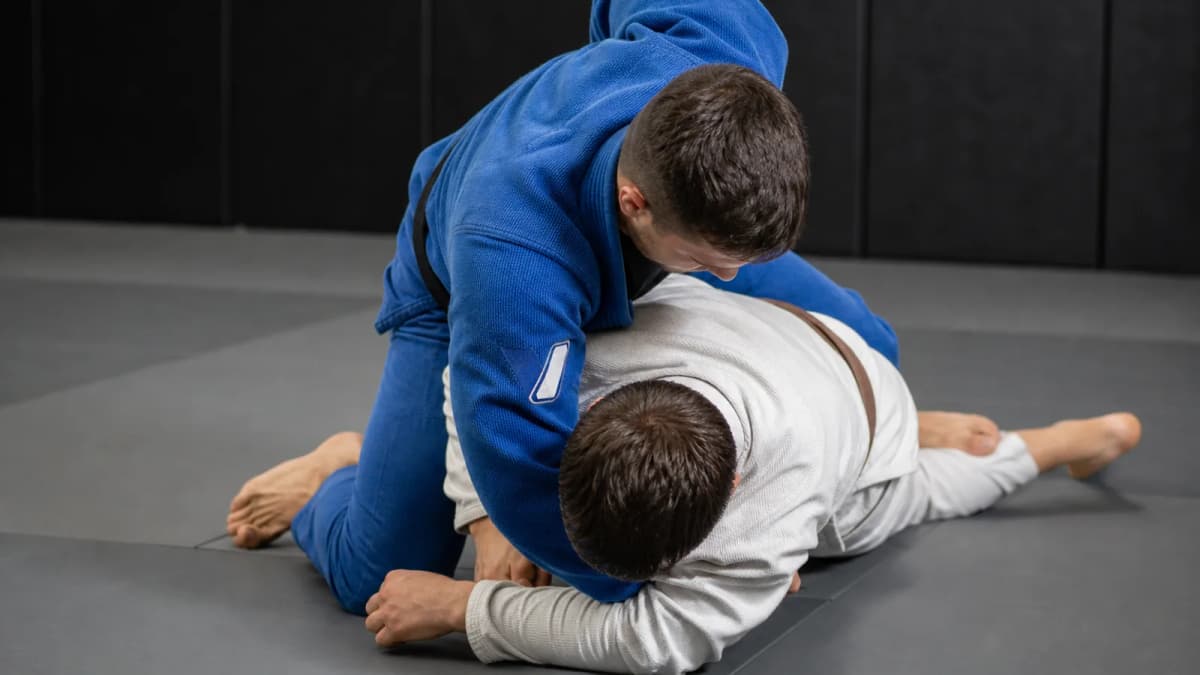
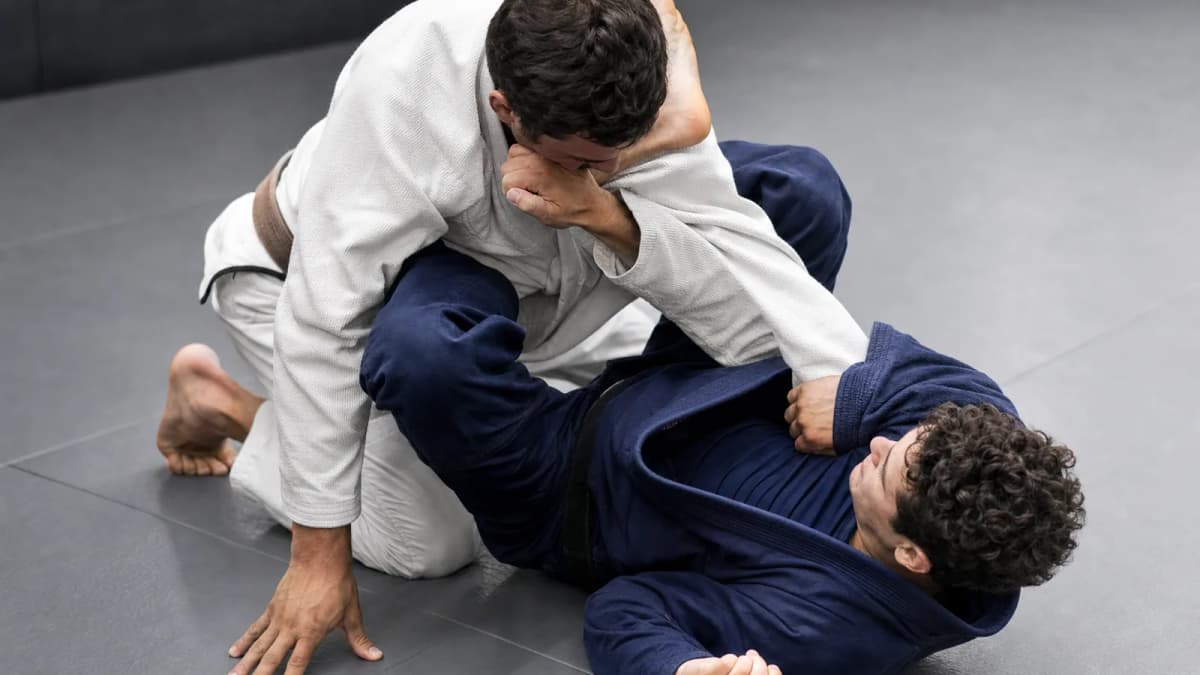
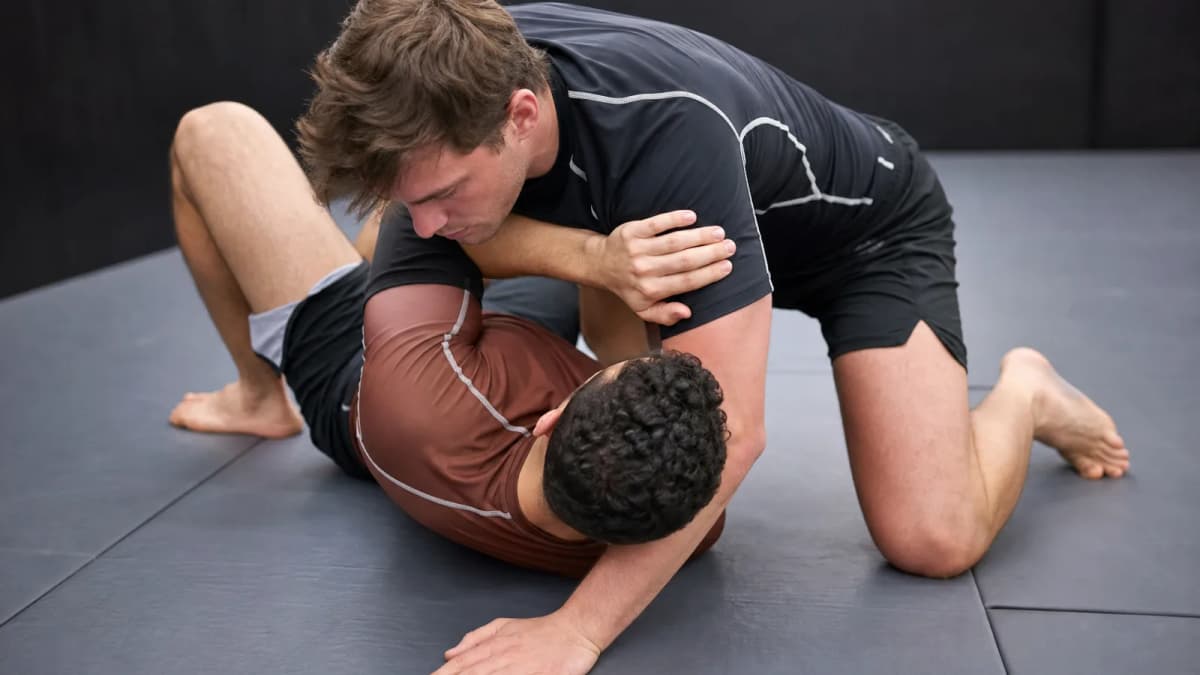
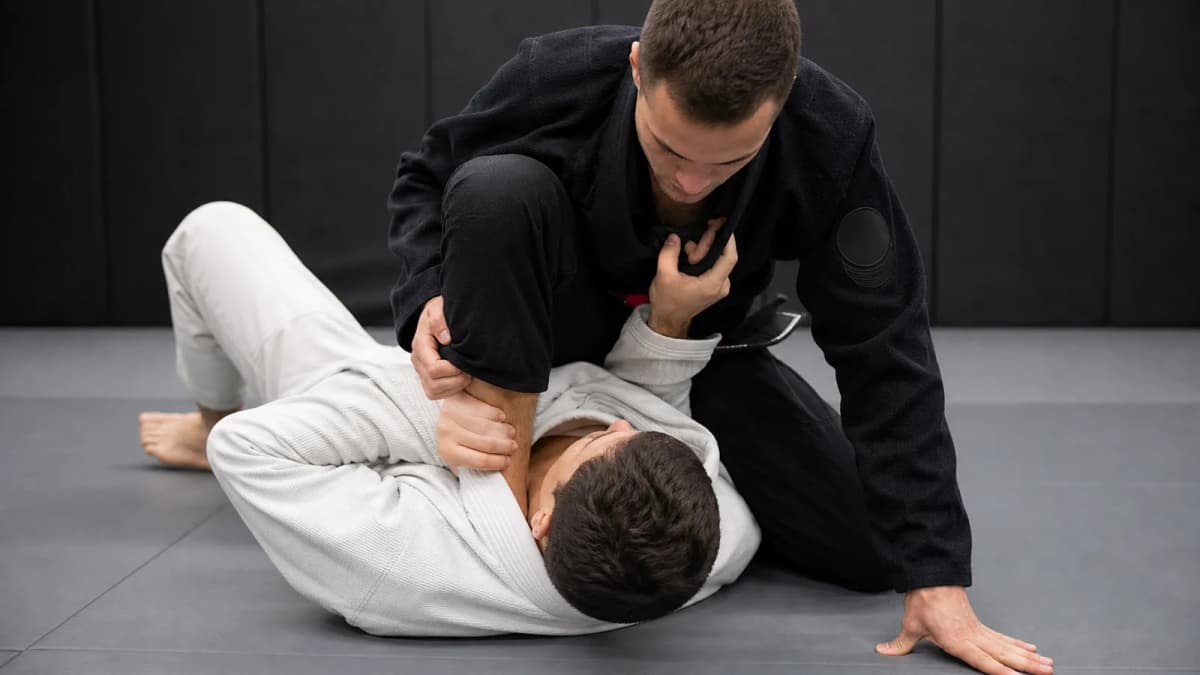
Mobile top control position that applies chest pressure while freeing hands for submissions or transitions.
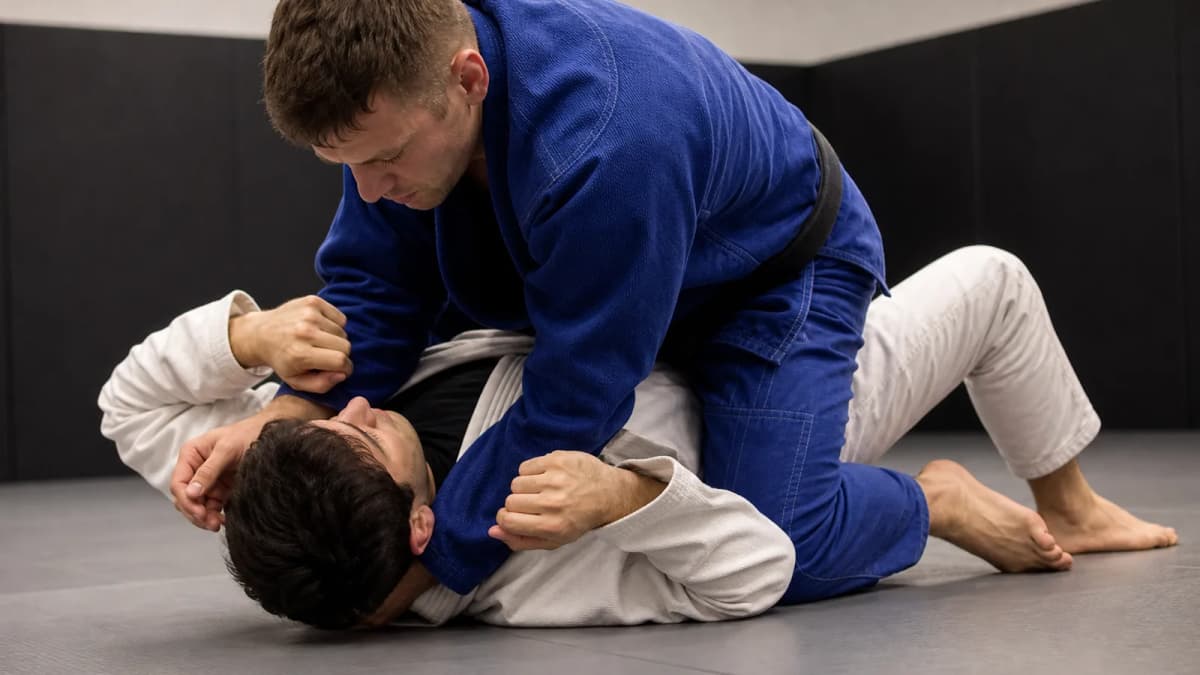
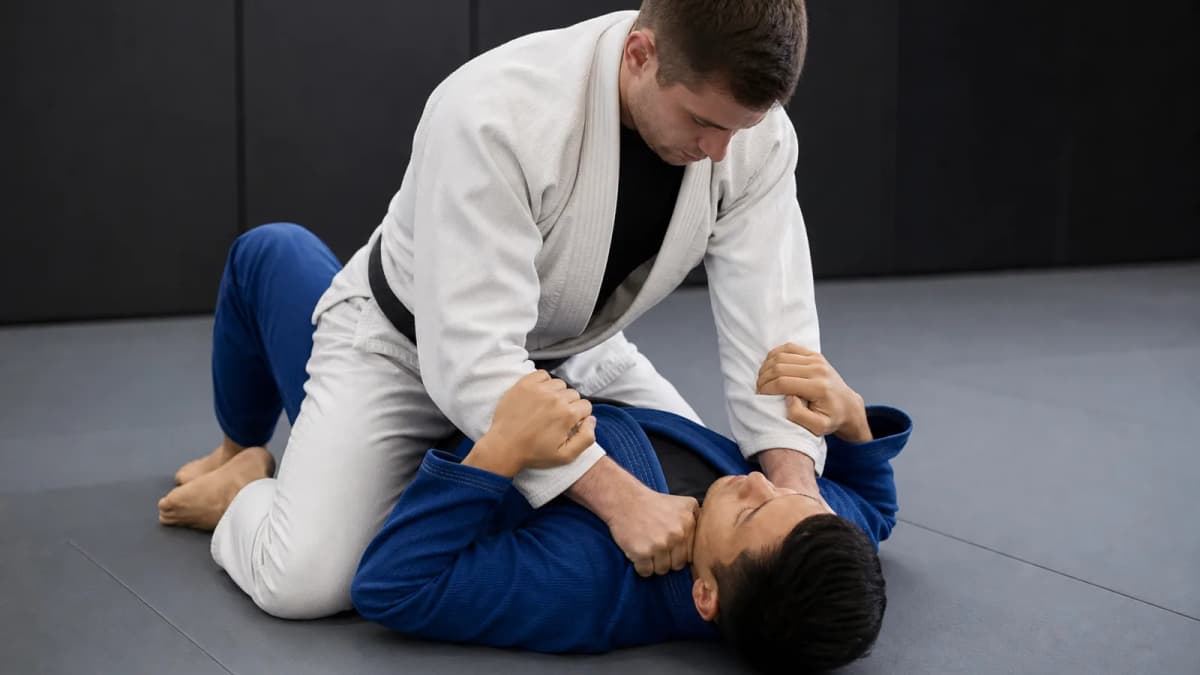
The most dominant top position in BJJ with strong control and finishing options.
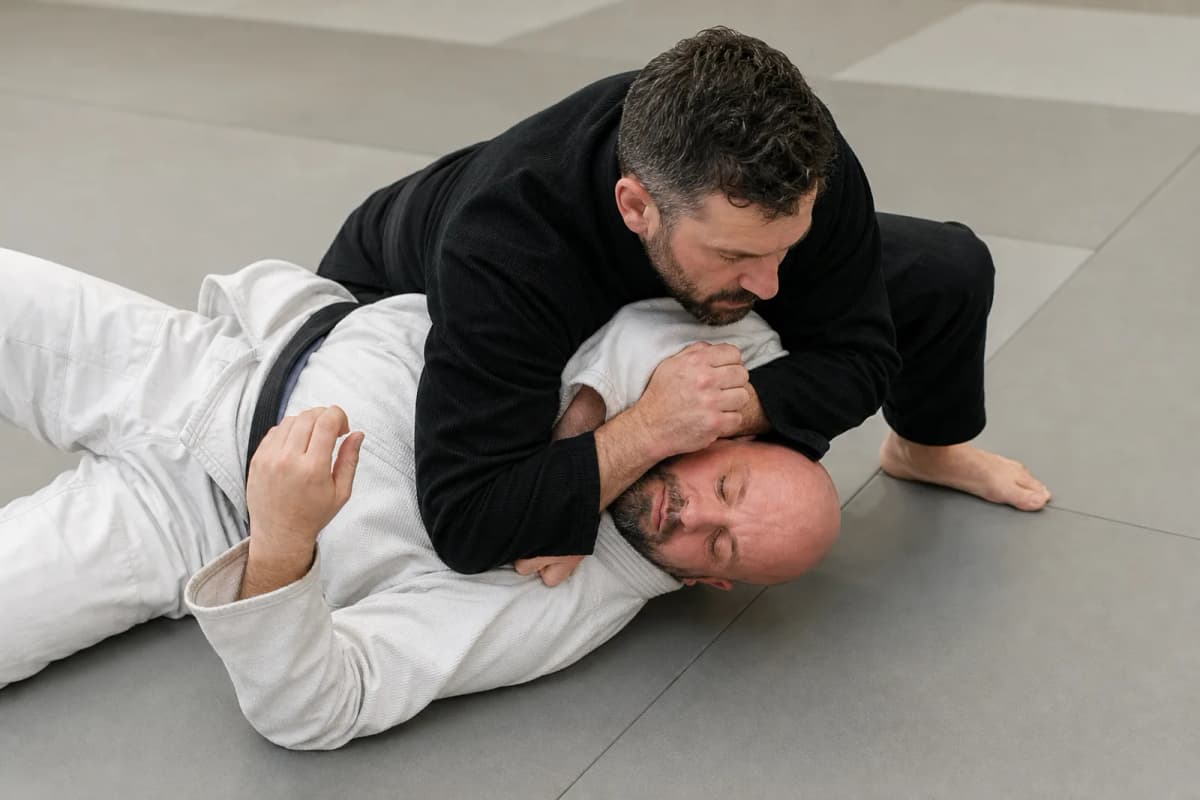
Top position with chest aligned north-south — strong control and choke entries when the opponent turns away.
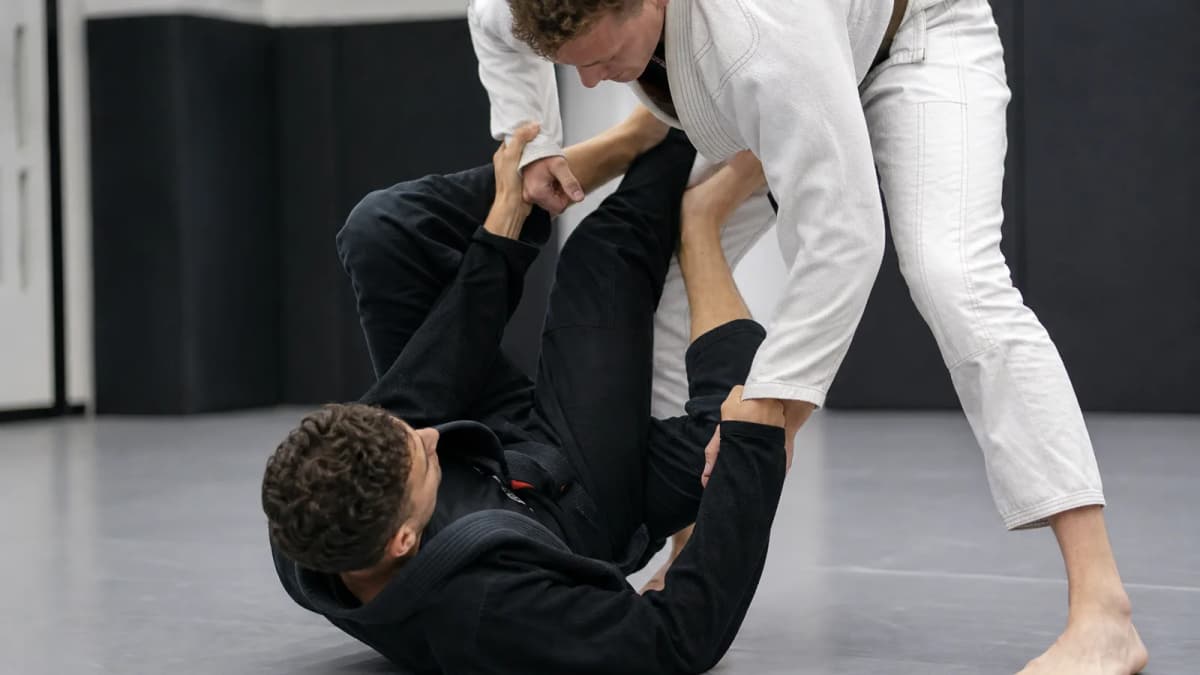
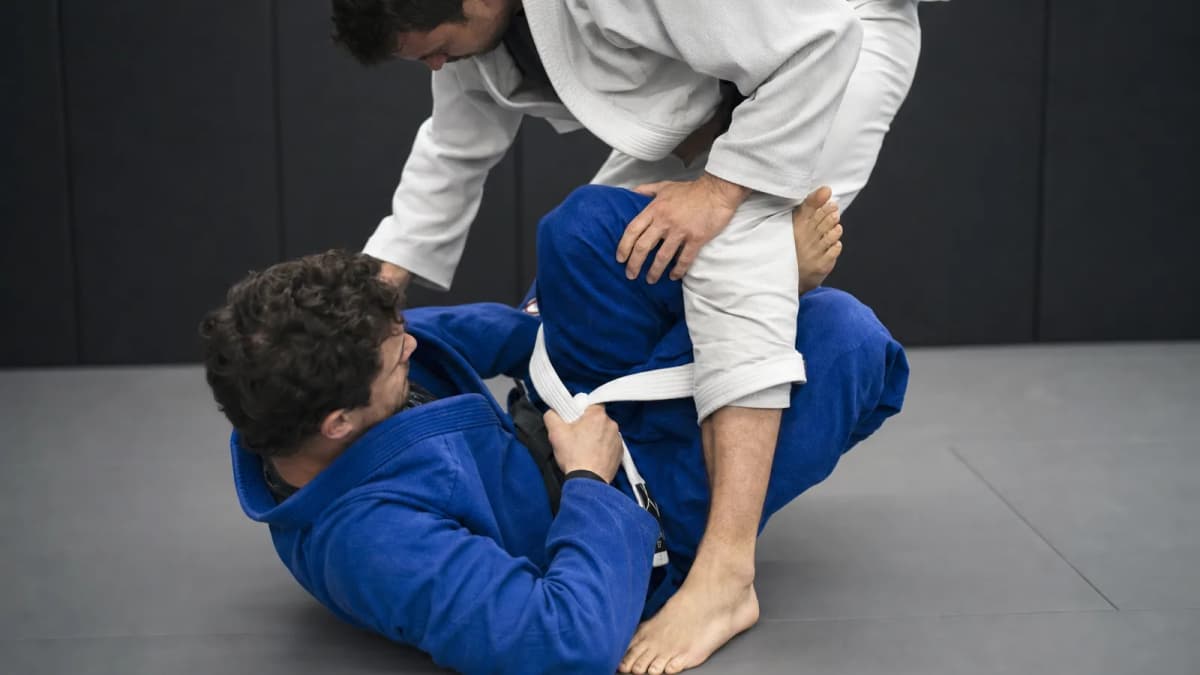
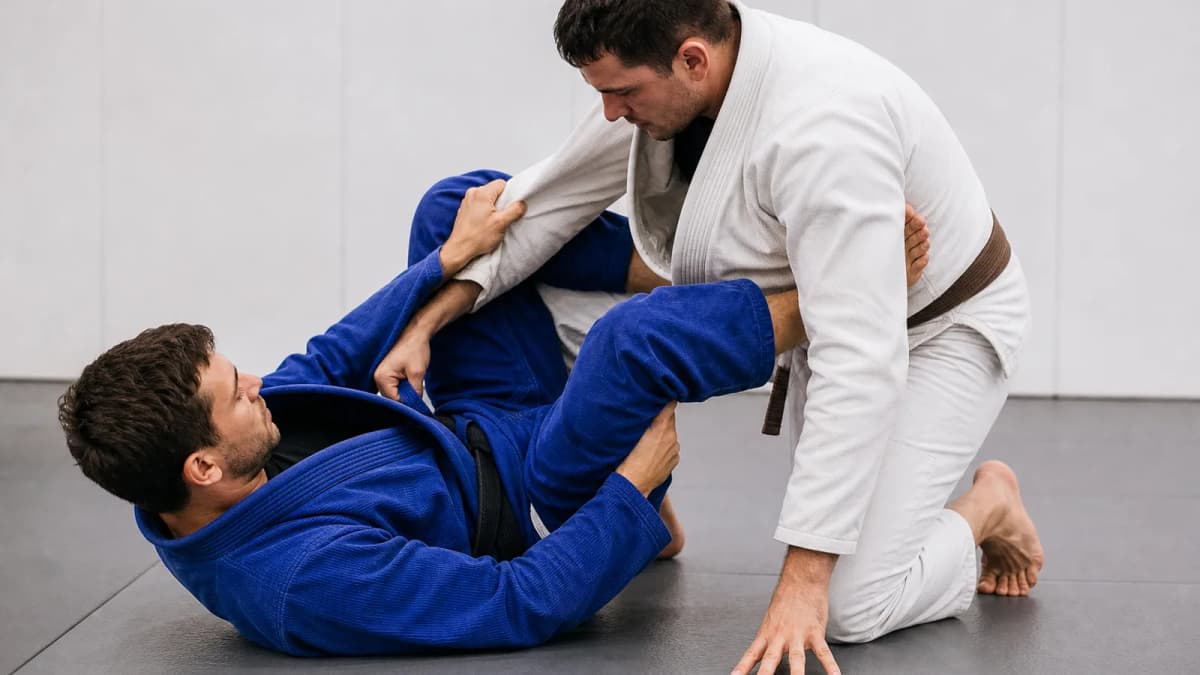
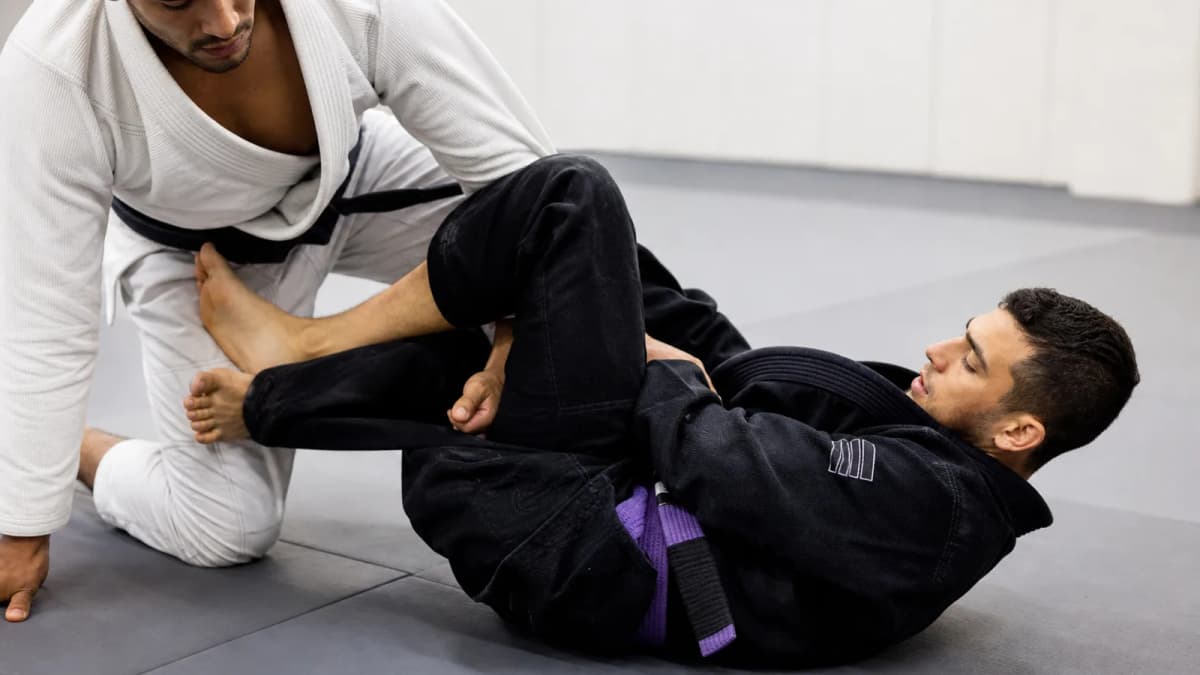
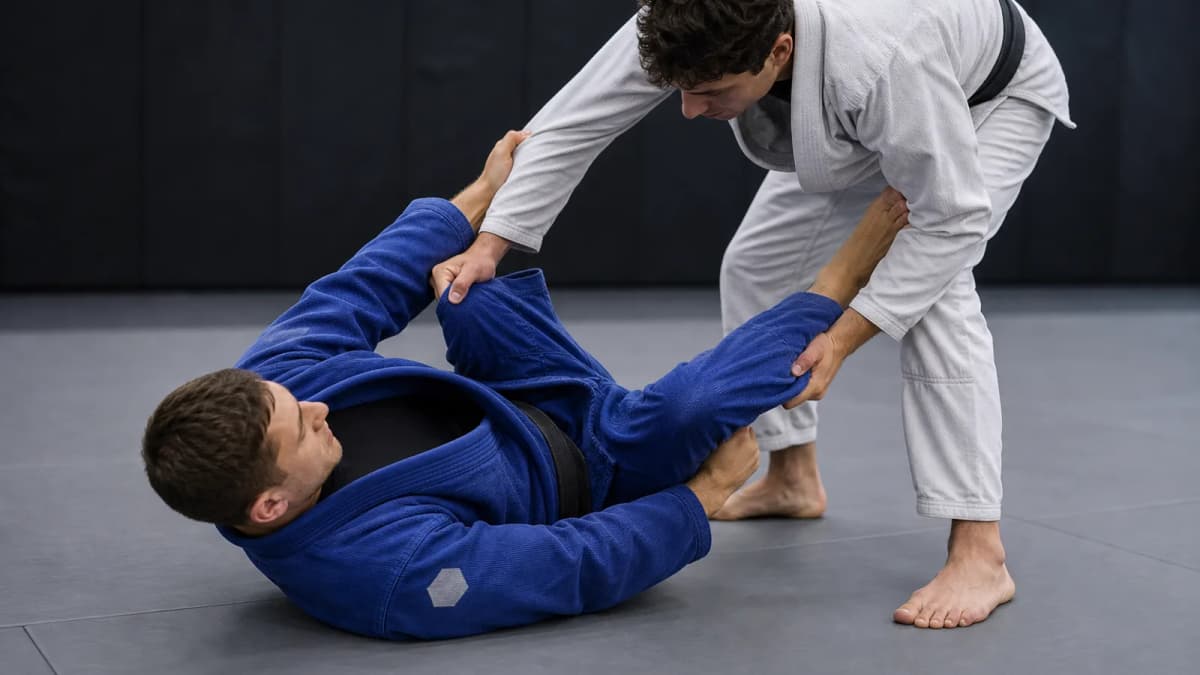
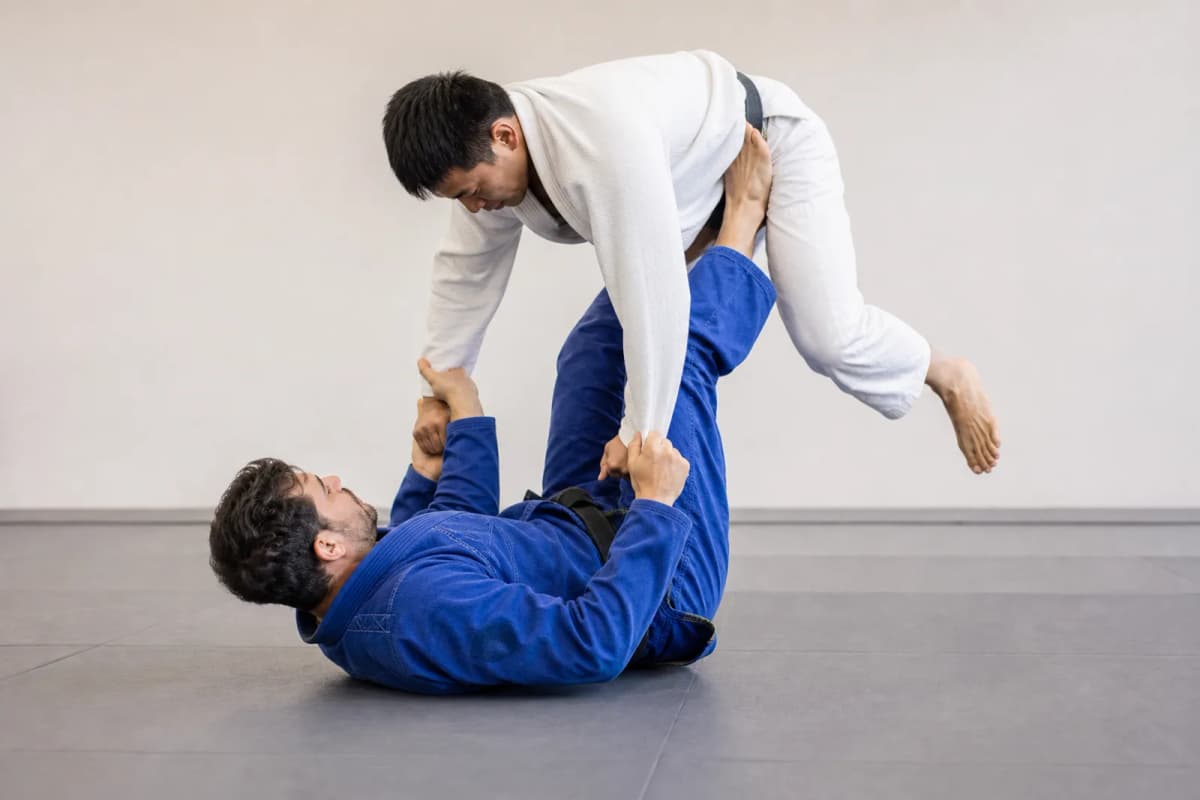
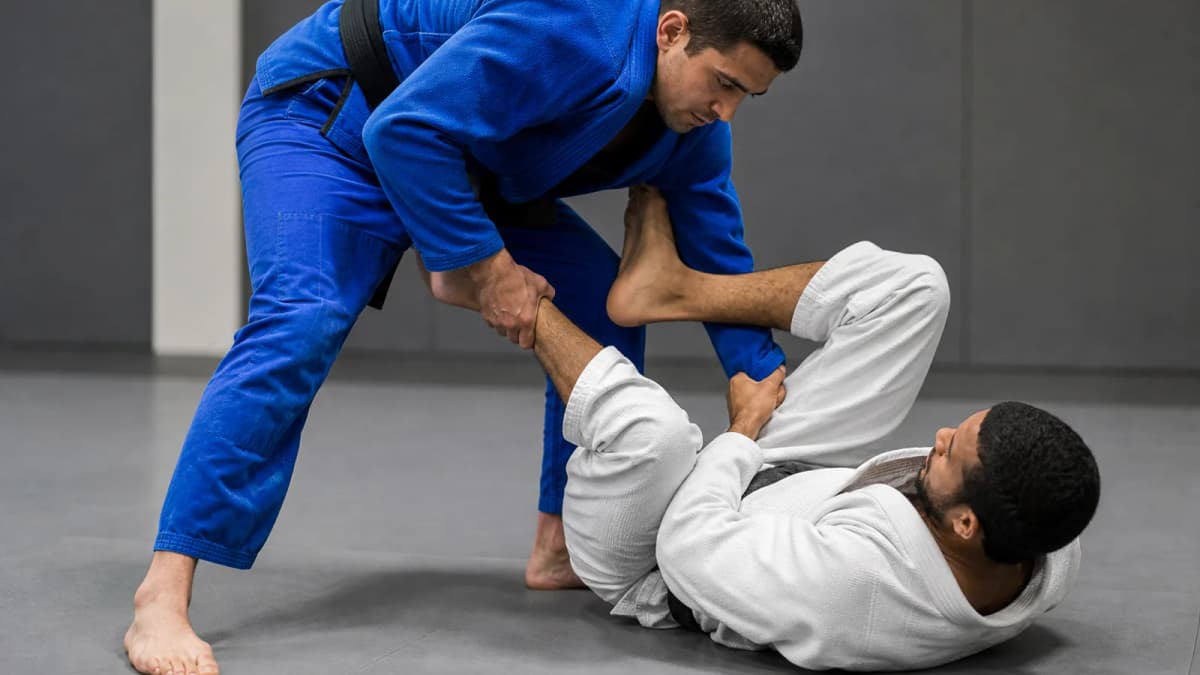
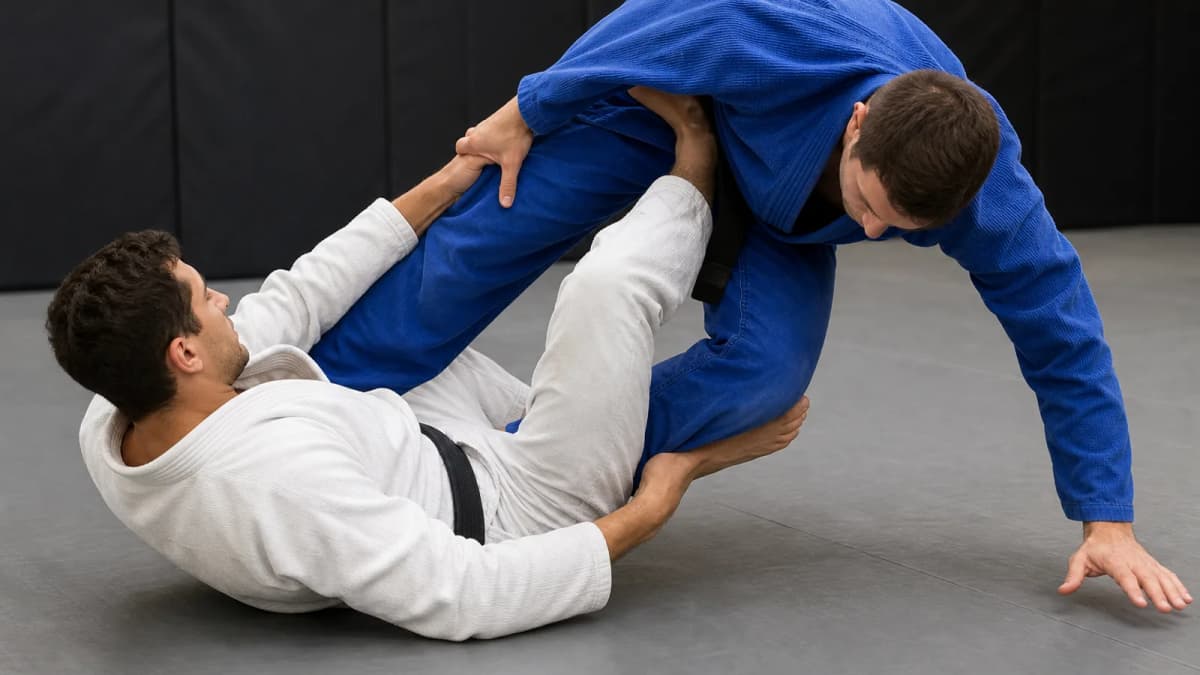
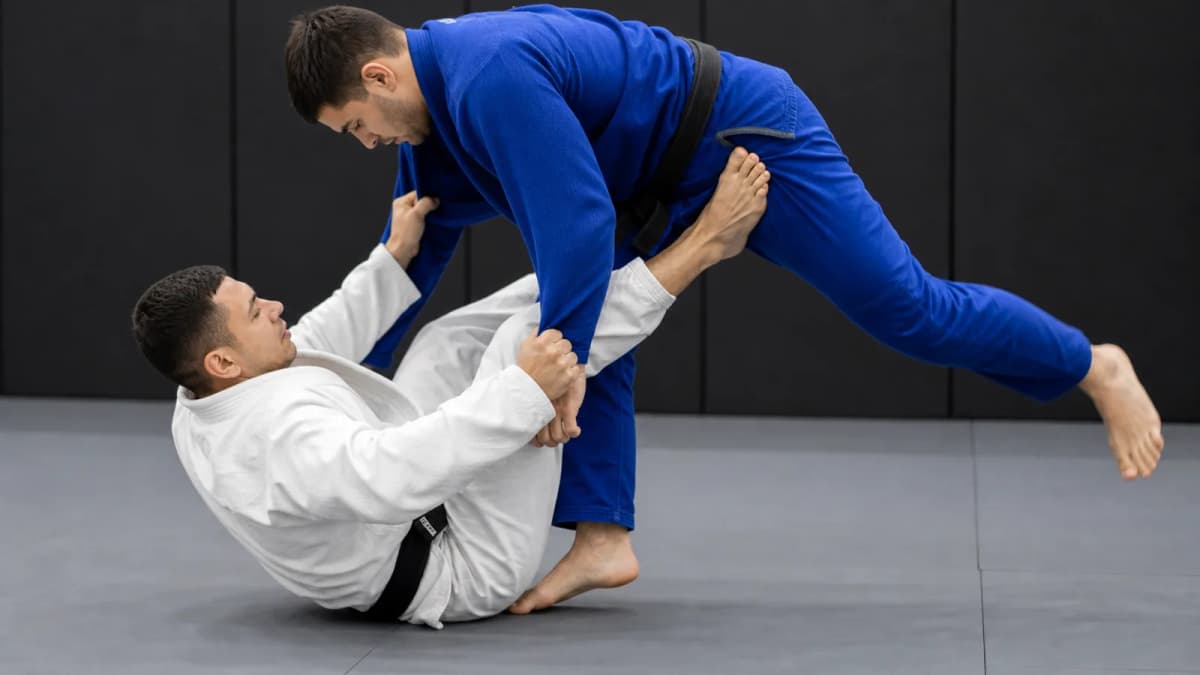
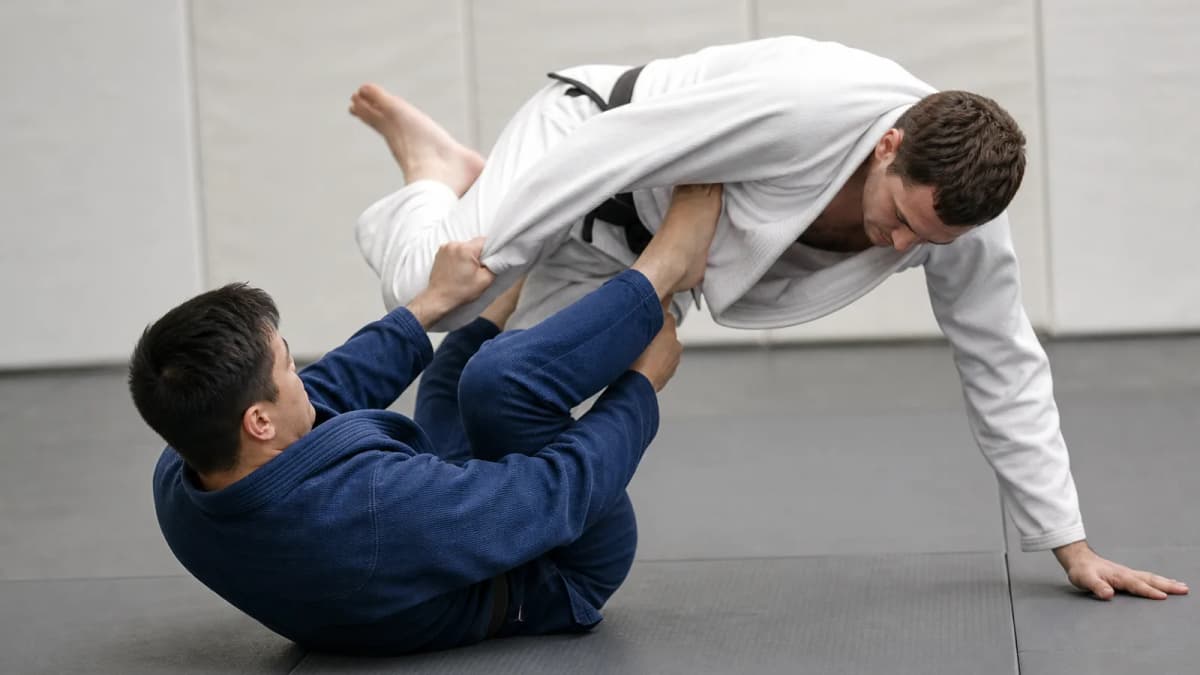
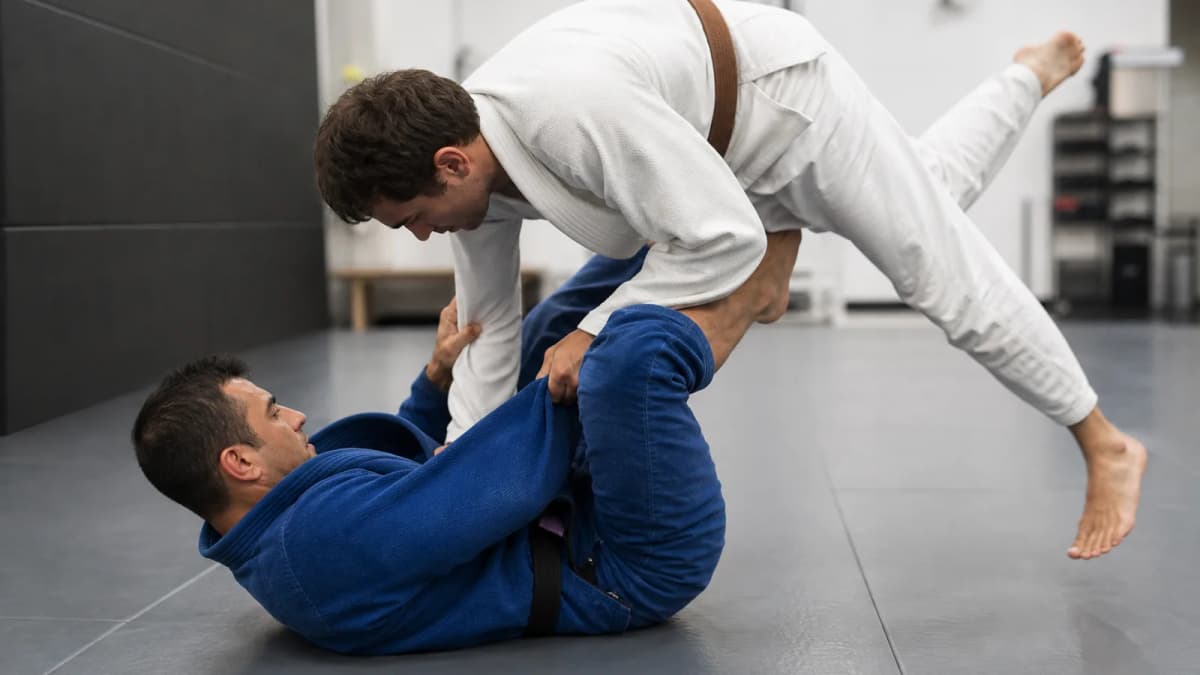
Dynamic guard family that relies on distance management, hooks, and grips to create attacks from open legs.
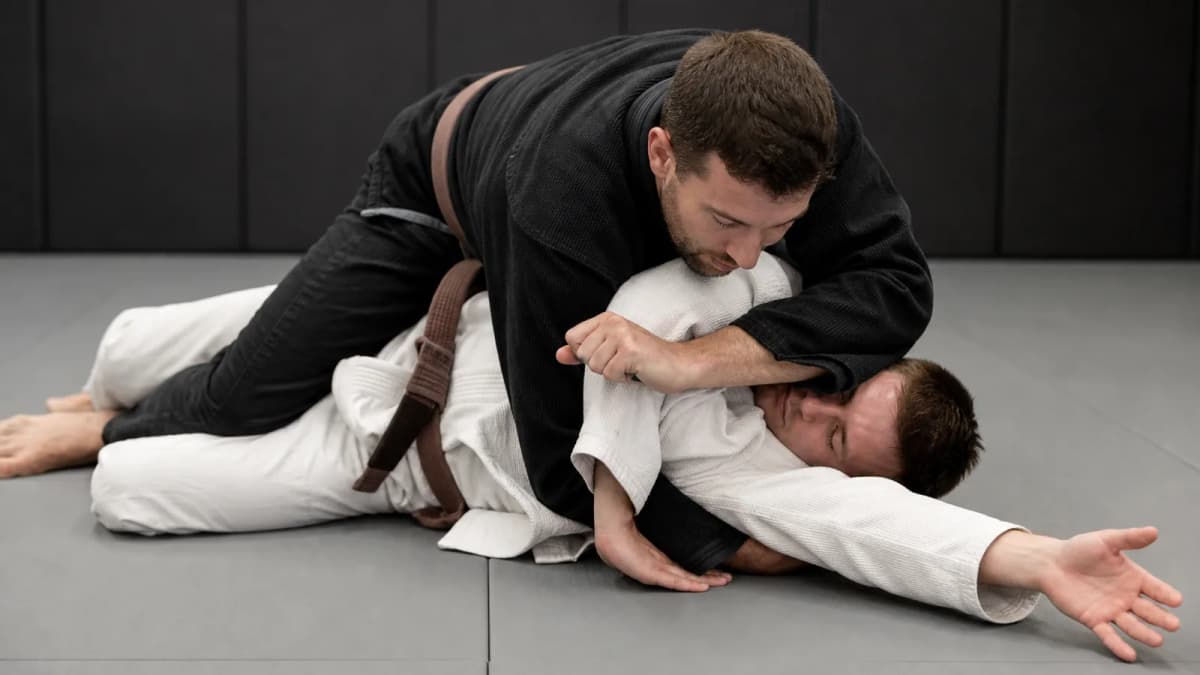
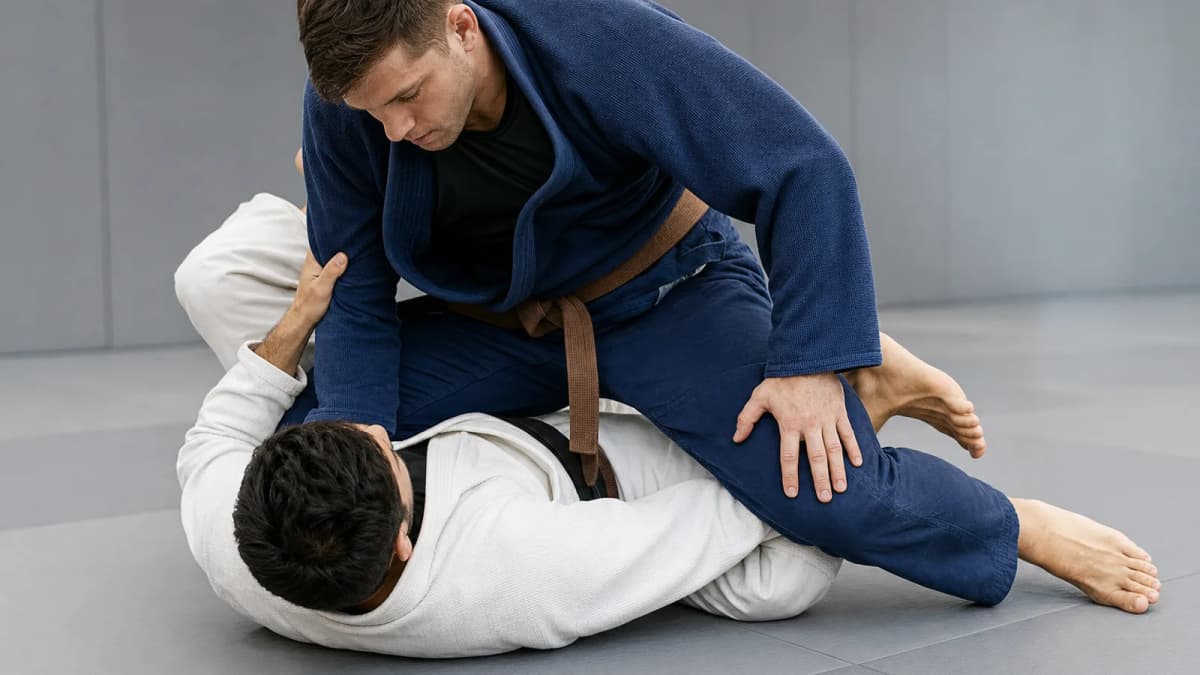
Fundamental top control position with strong pins and transitions.
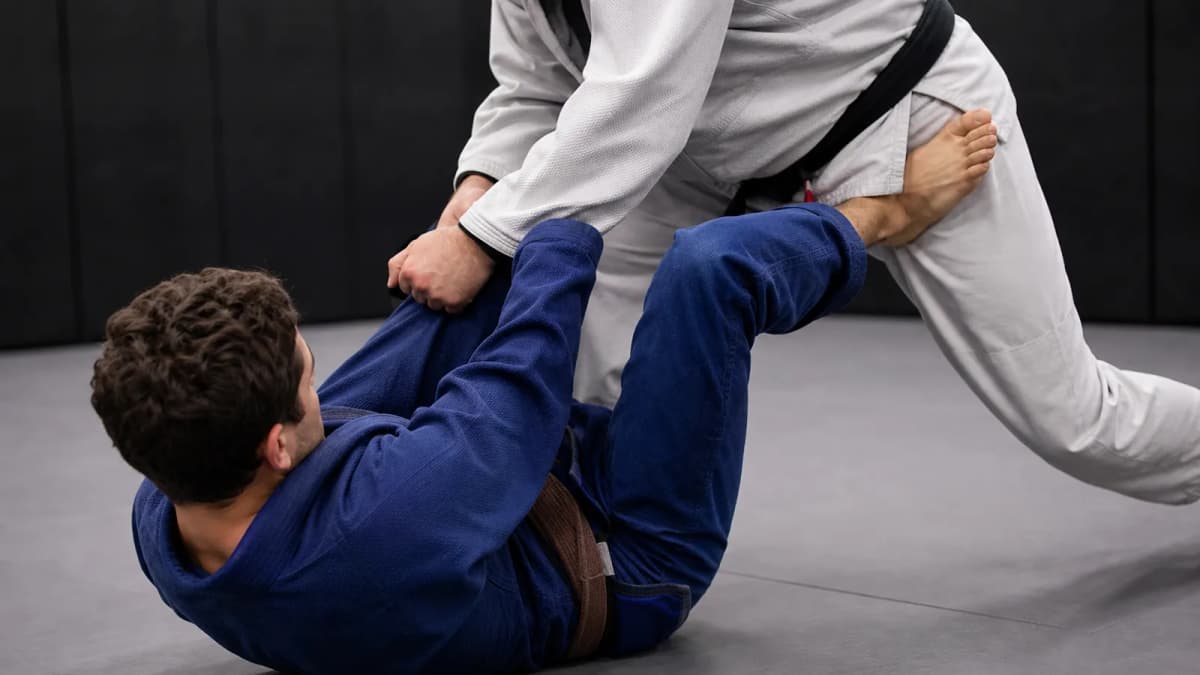
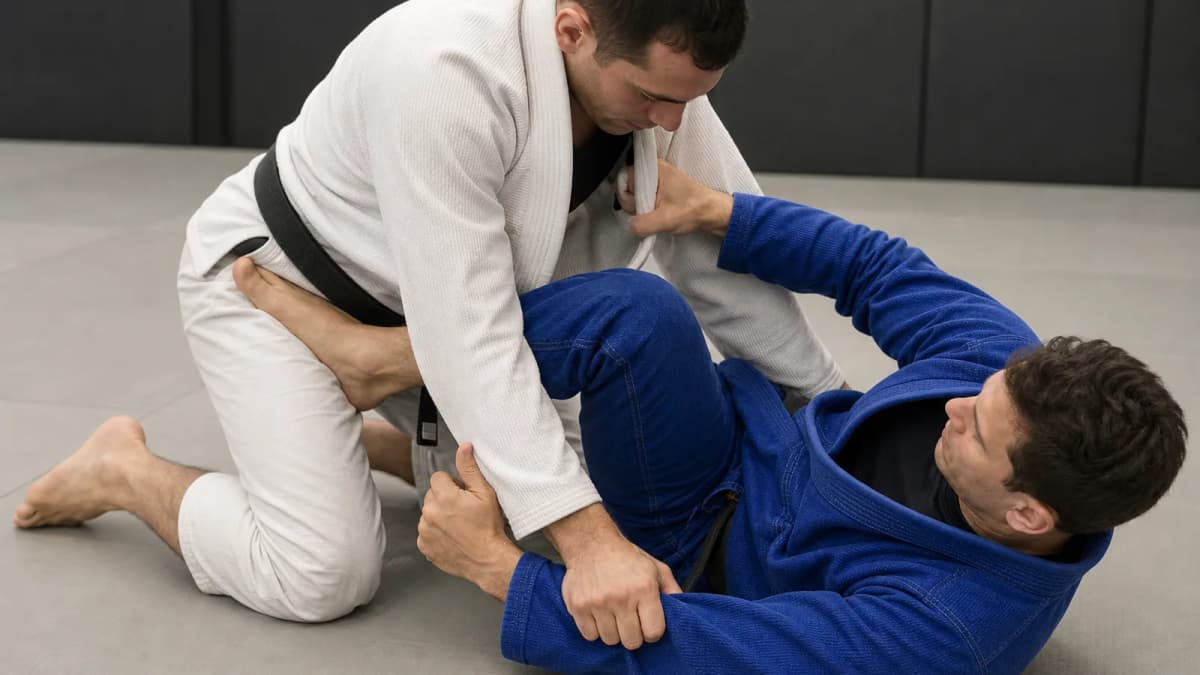
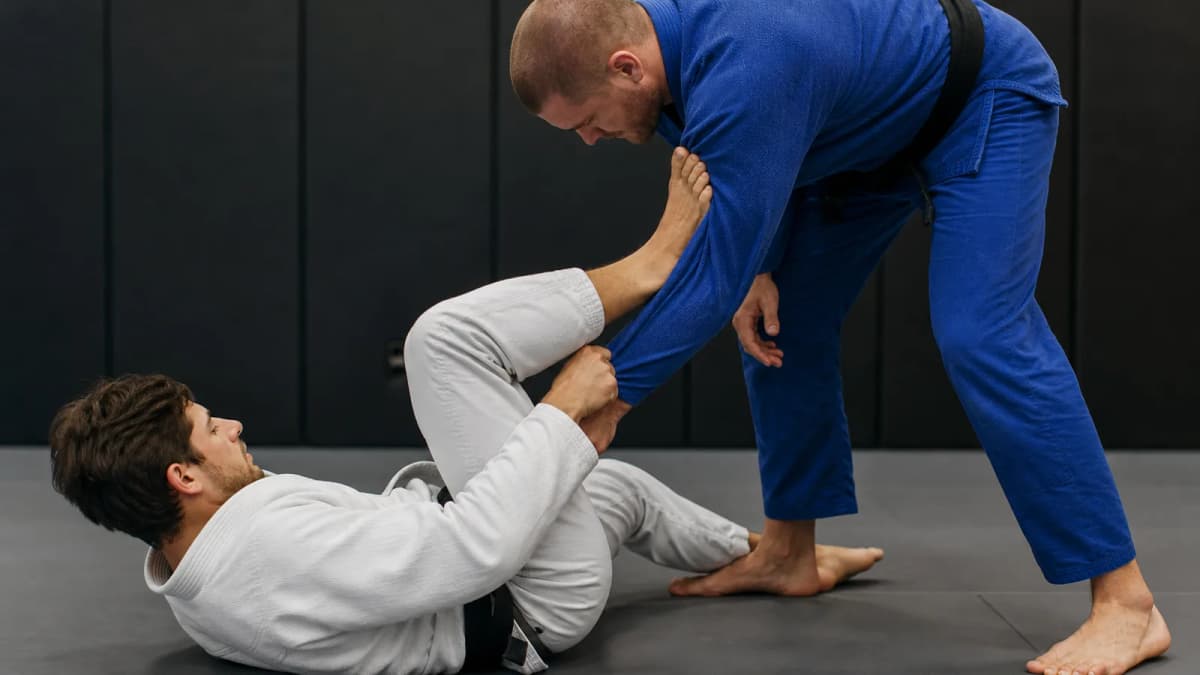
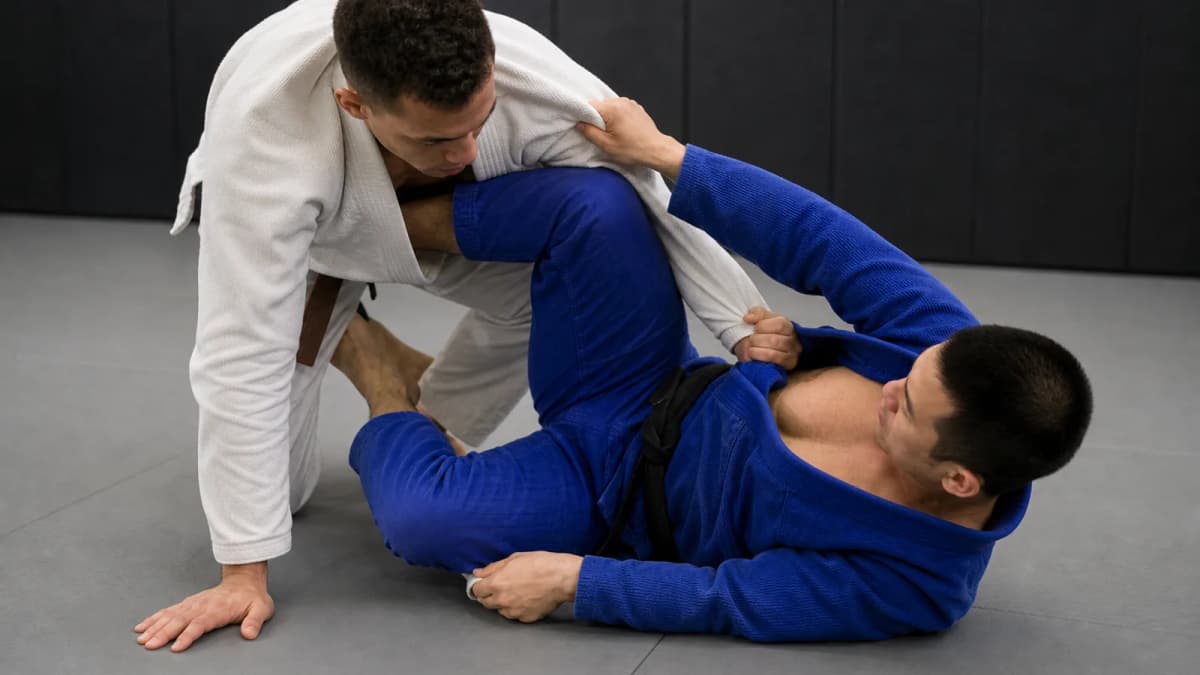
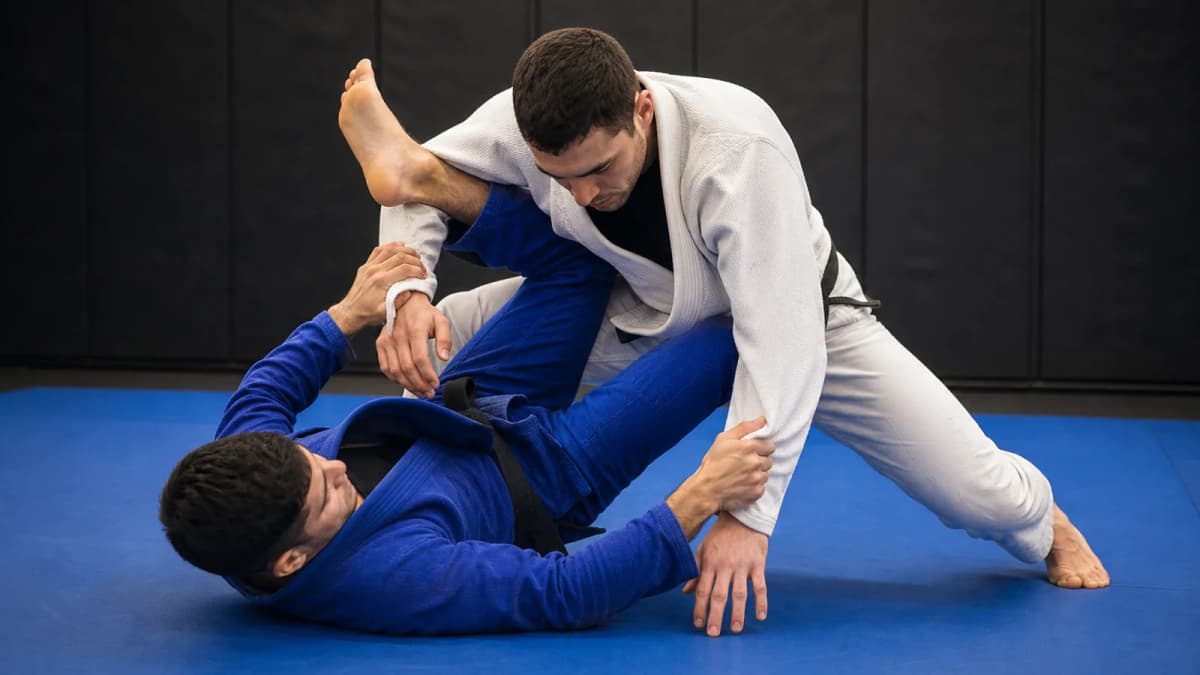
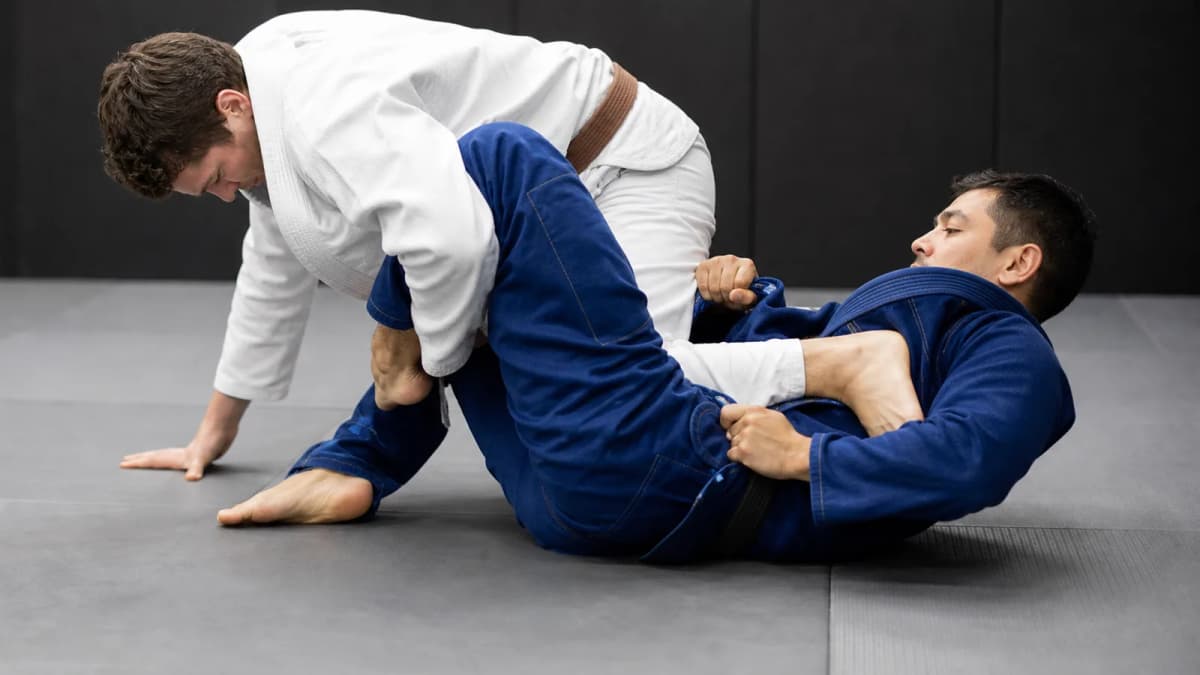
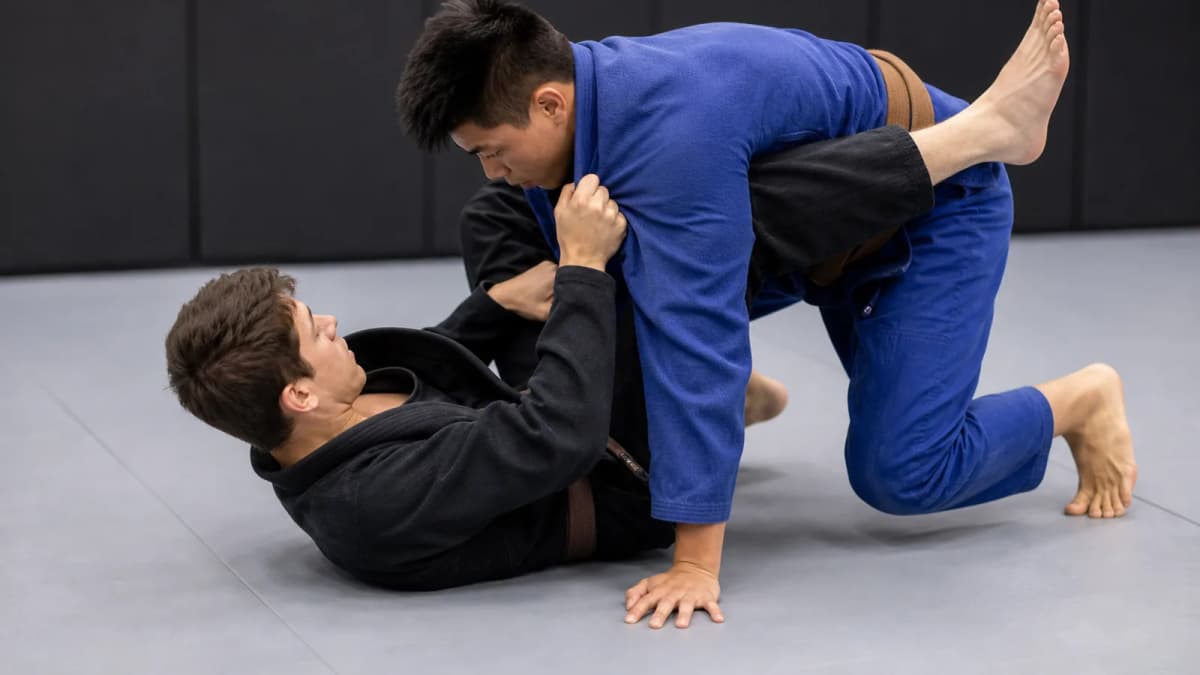
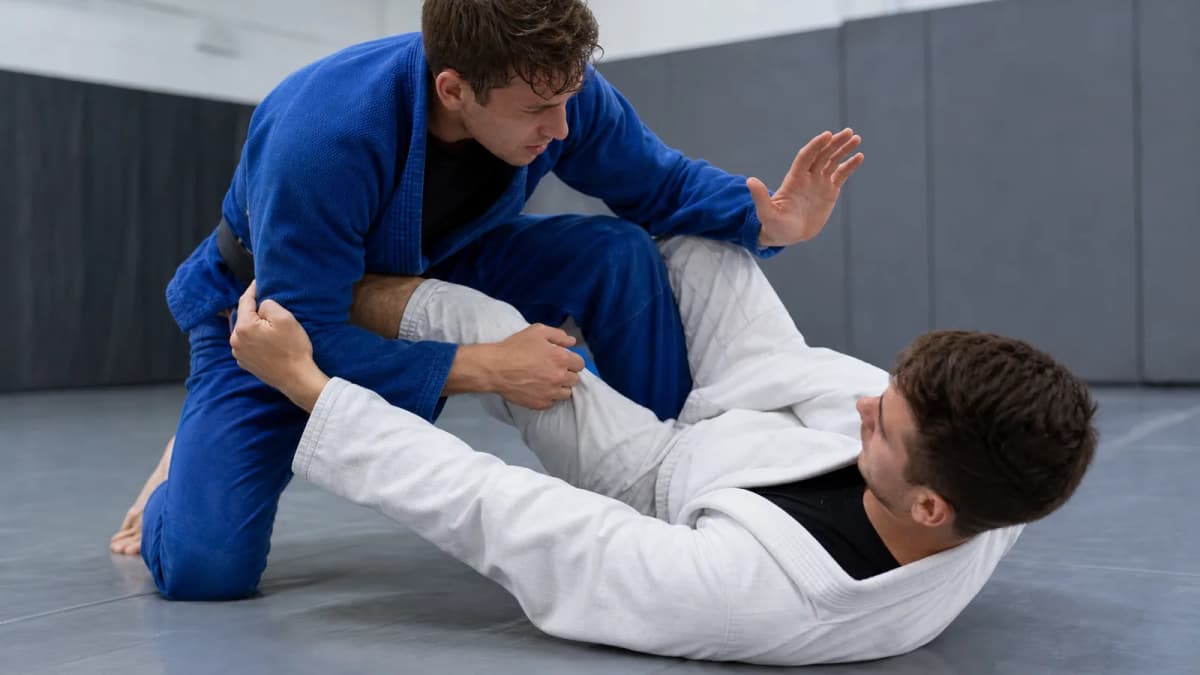
Gi guard using sleeve and foot on biceps — creates distance, sweeps, and triangle entries against standing passers.
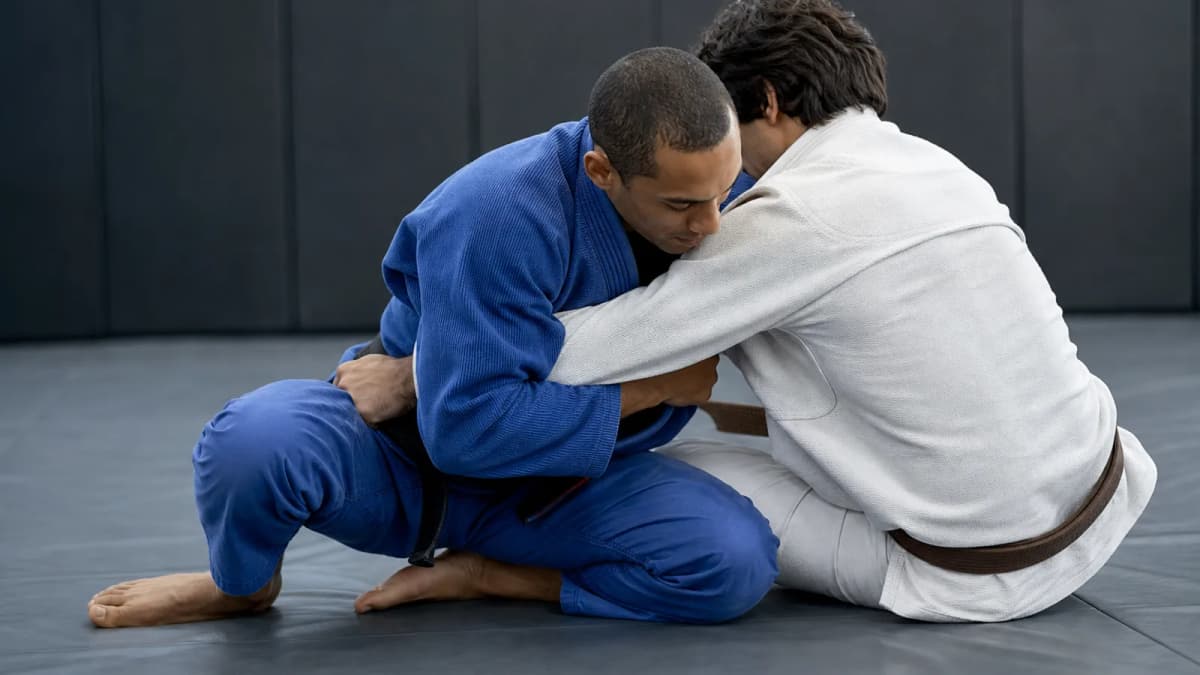
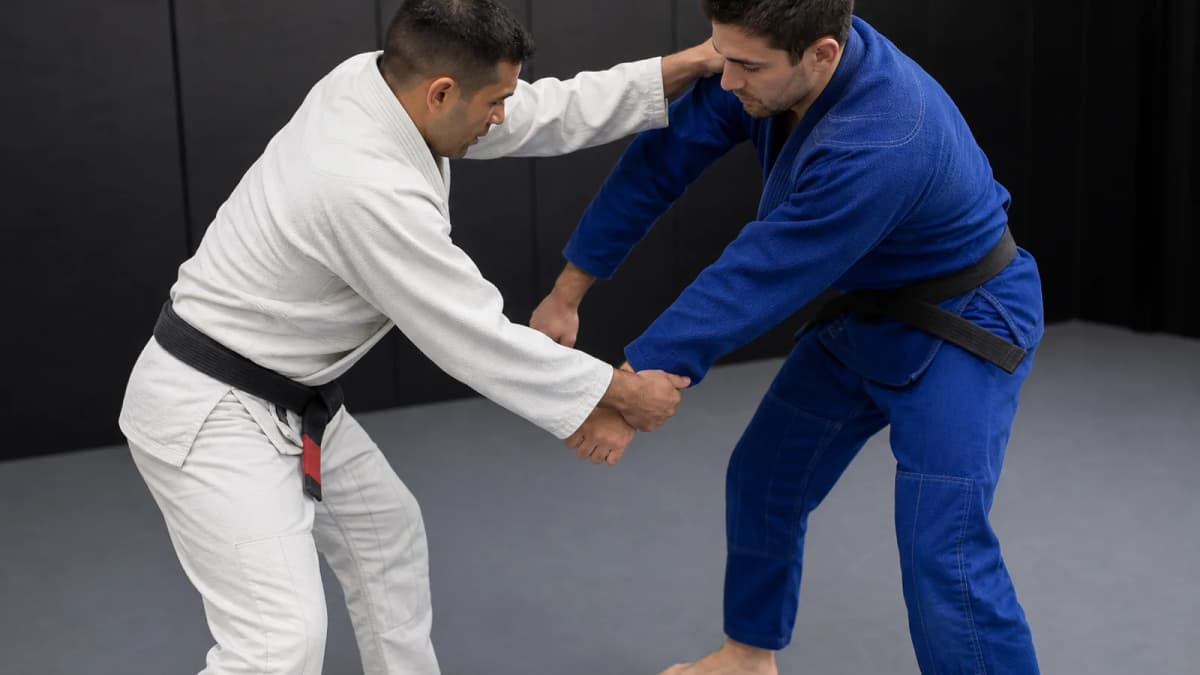
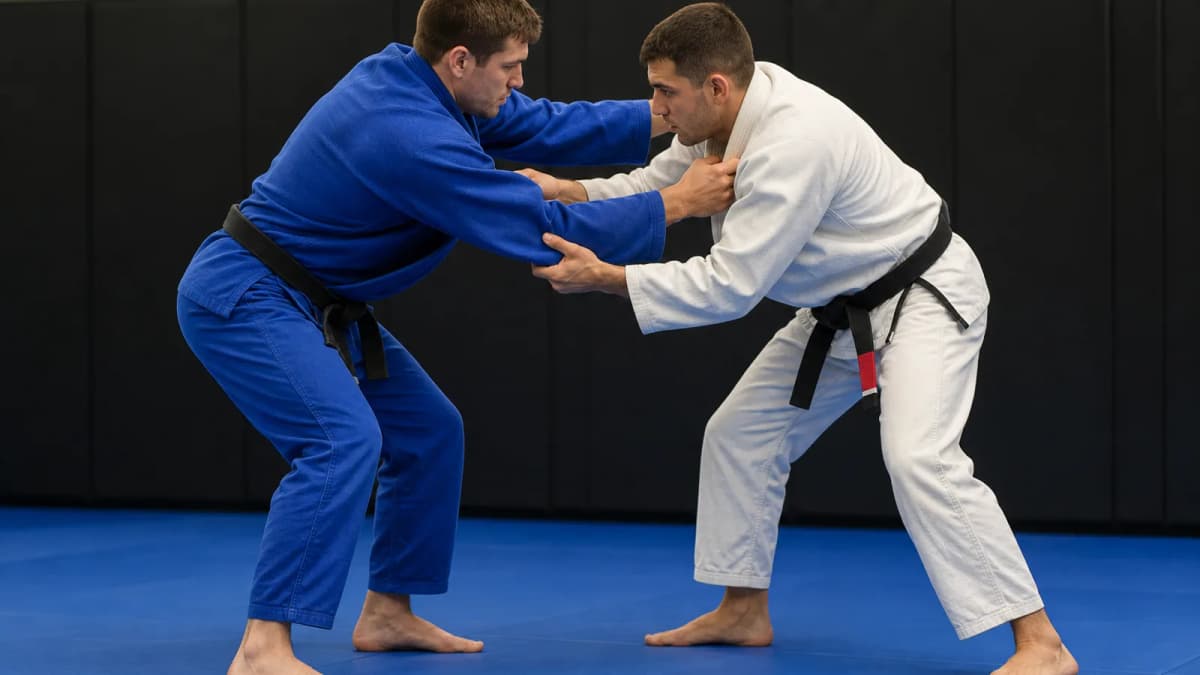
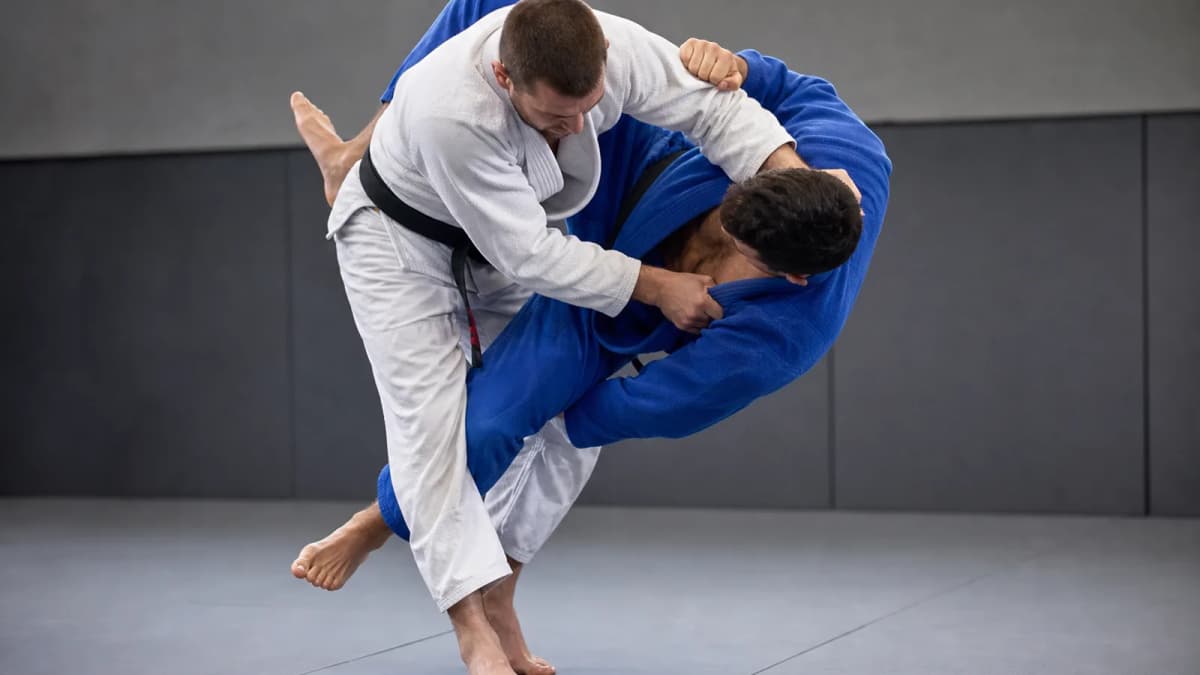
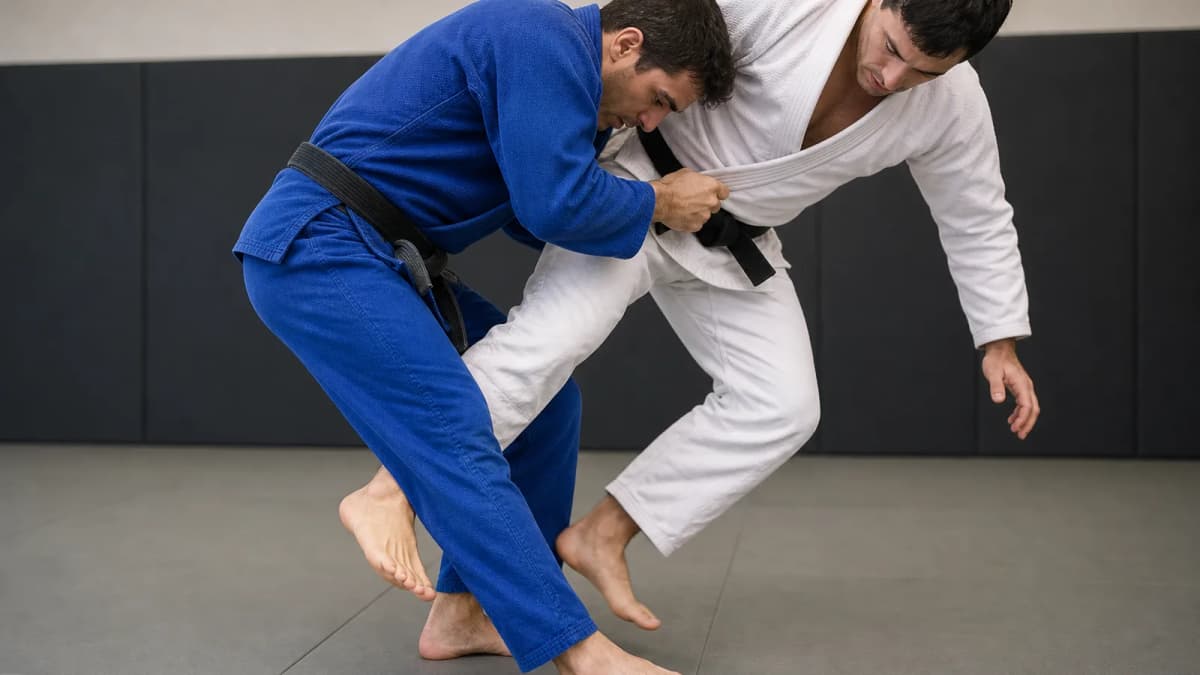
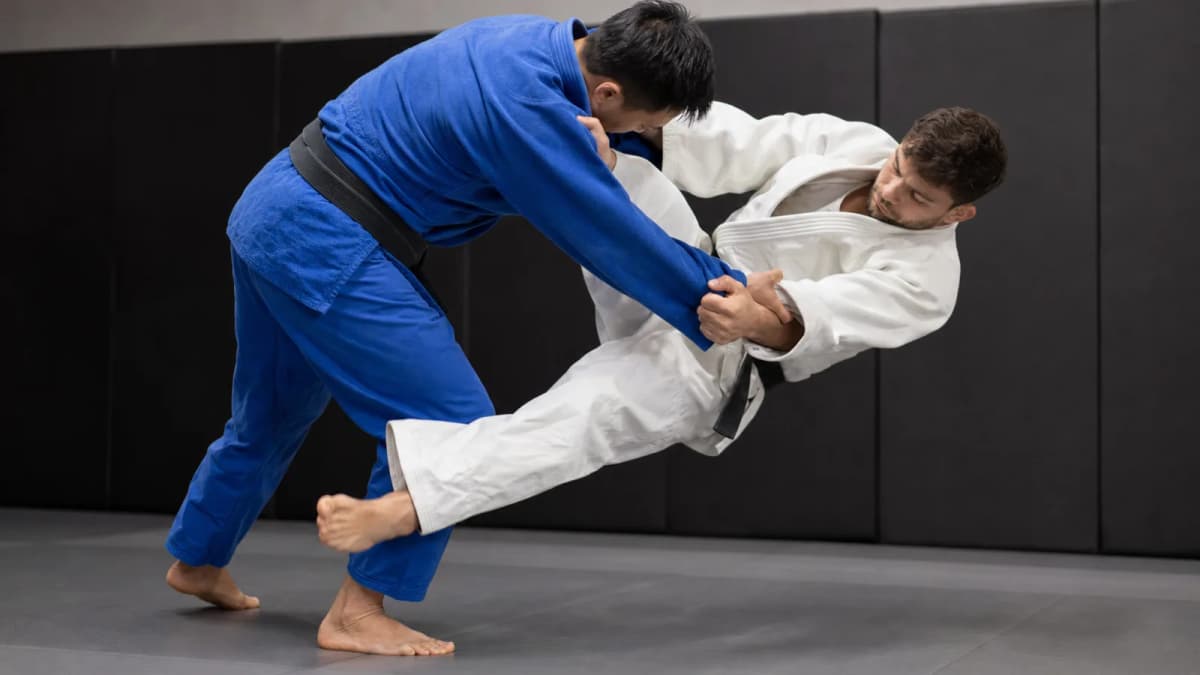
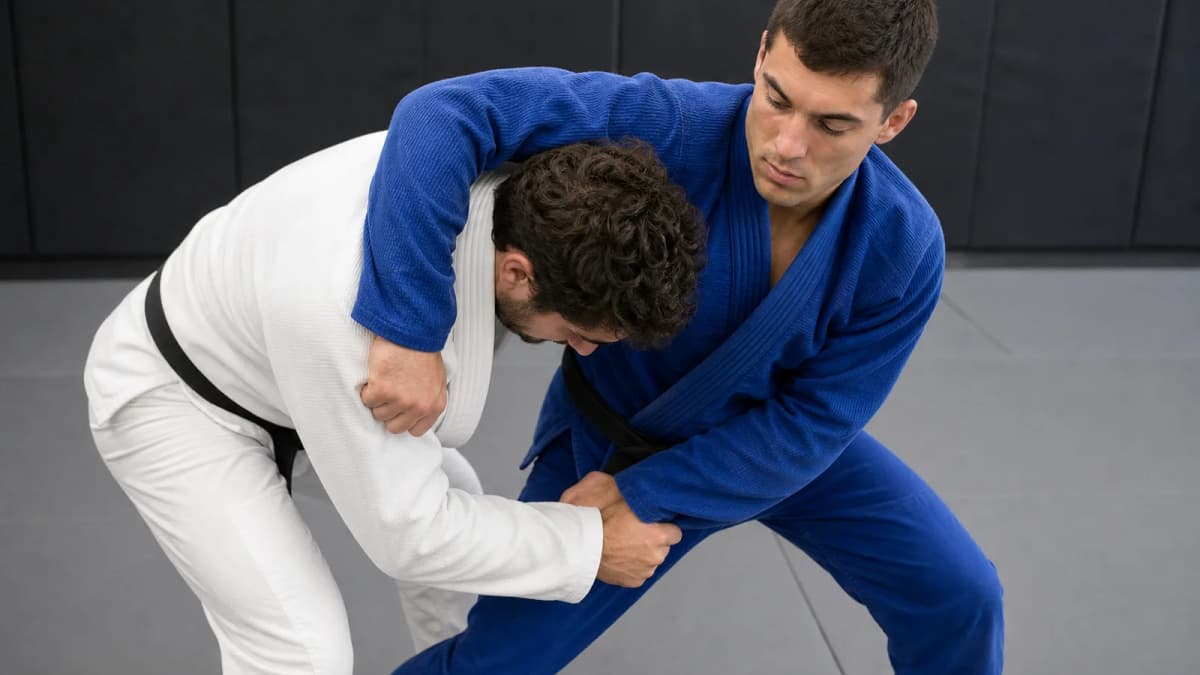
Neutral standing phase — grip fighting, takedowns, and guard pulls start every rolling exchange.
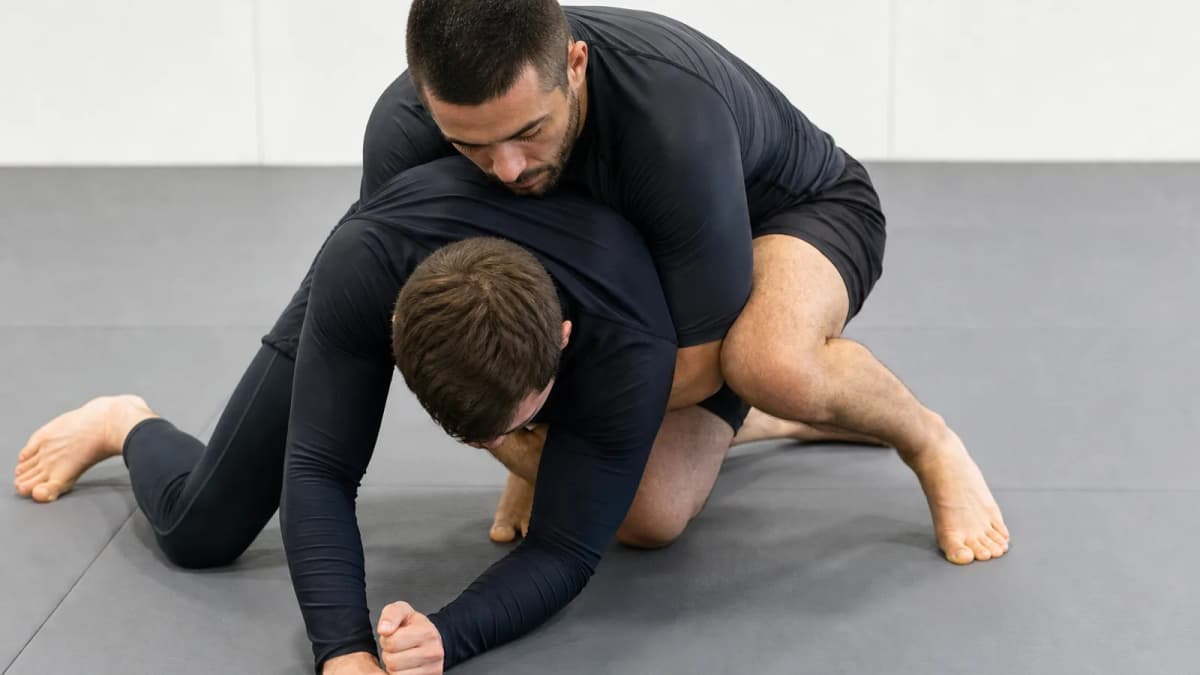
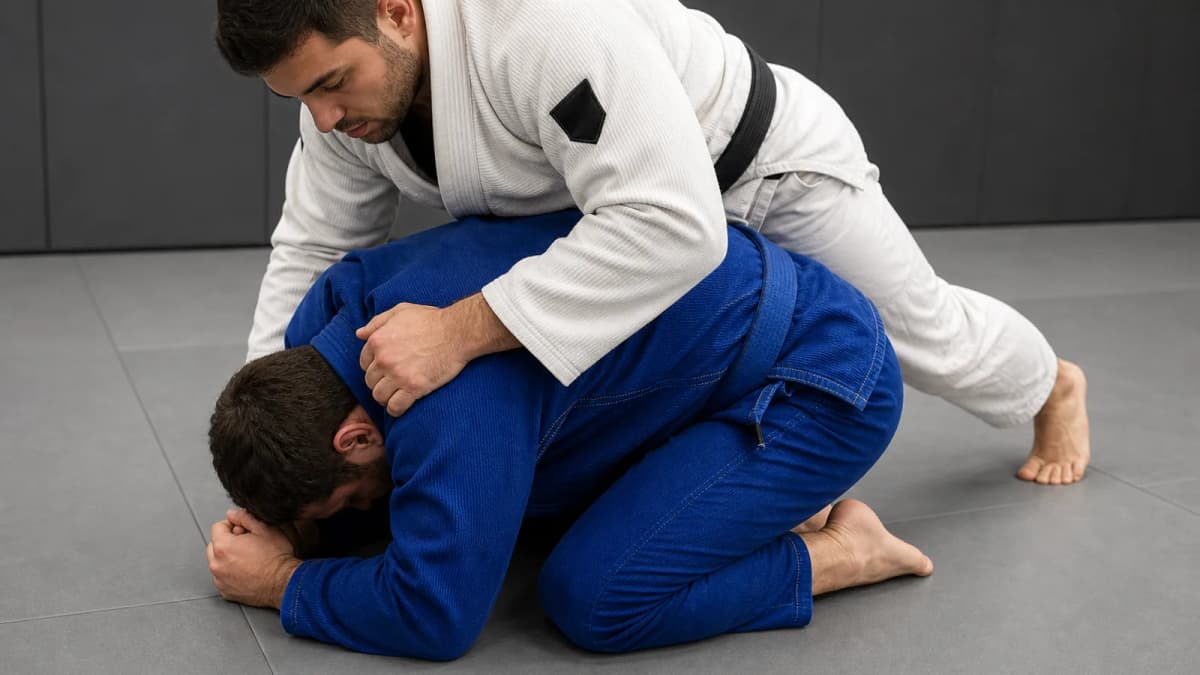
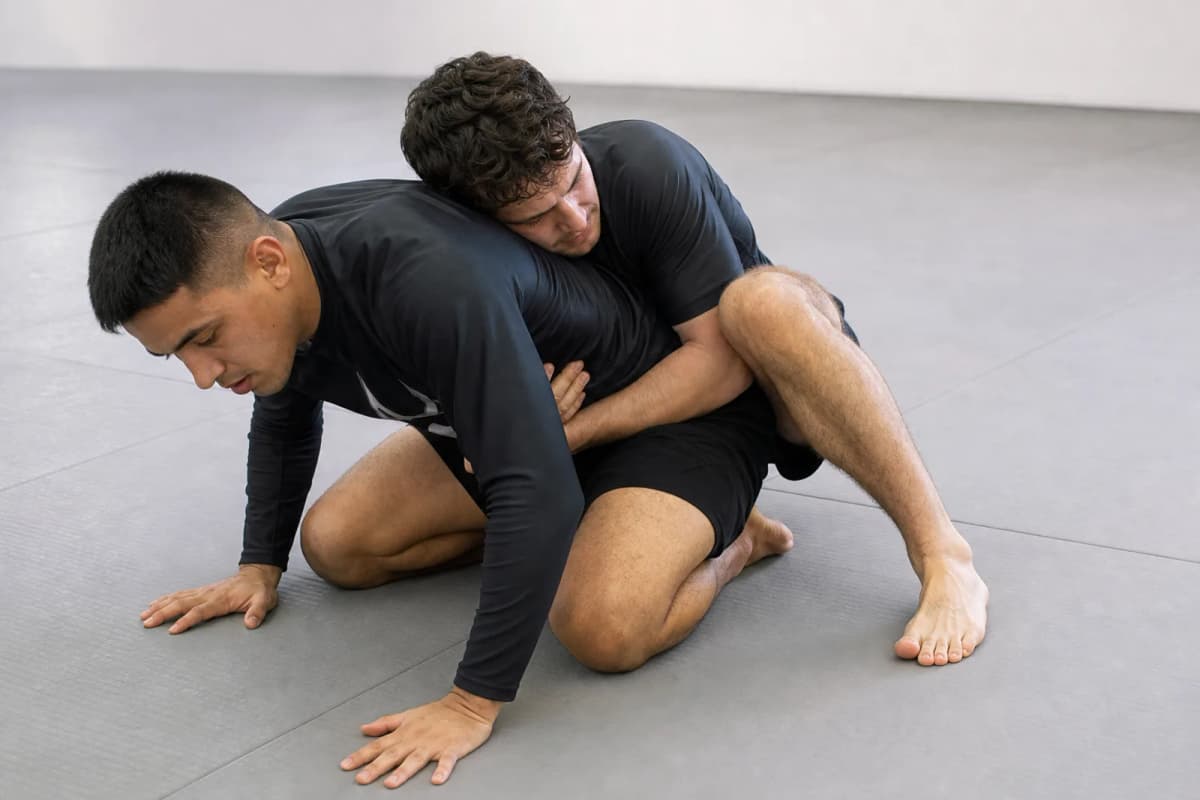
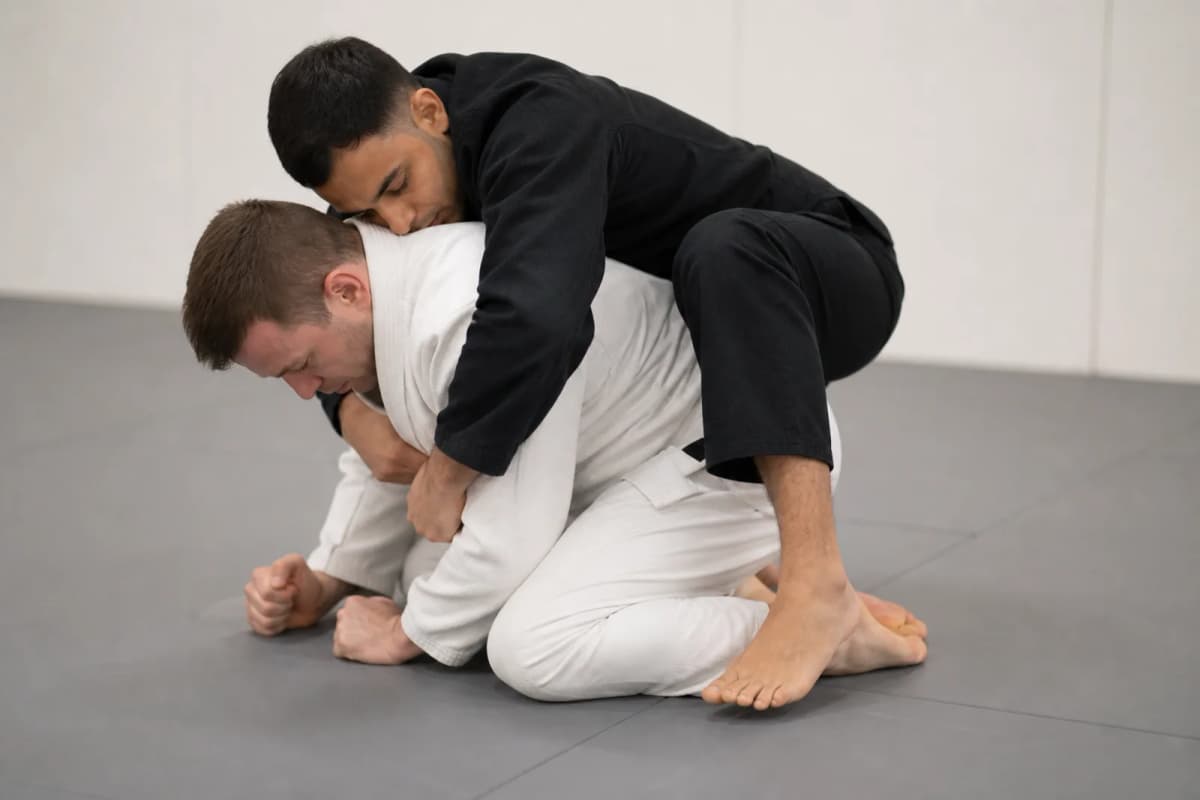
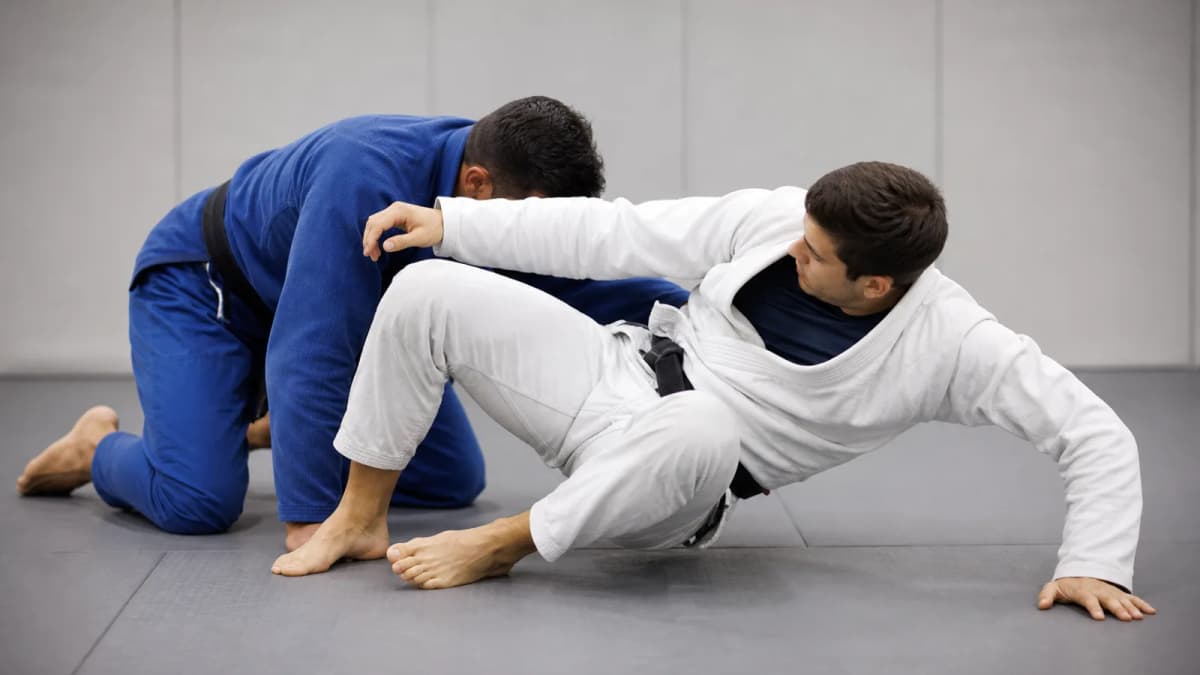
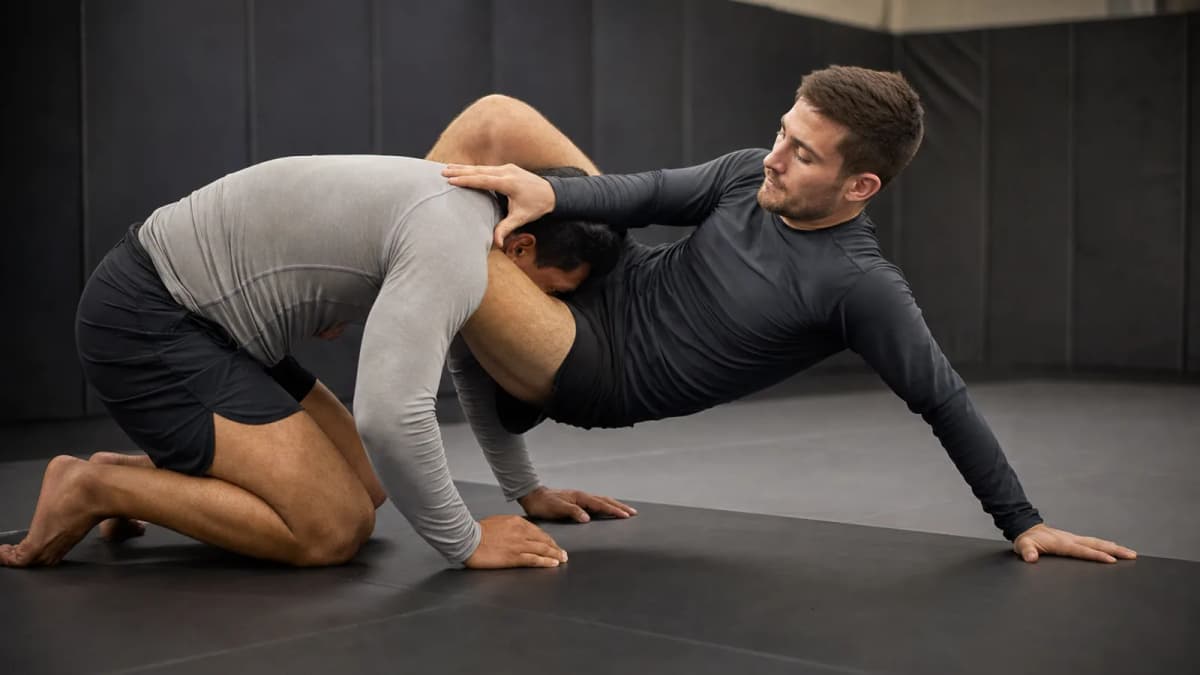
Defensive quadruped posture protecting the guard — gateway to escapes, reversals, and back-take battles.
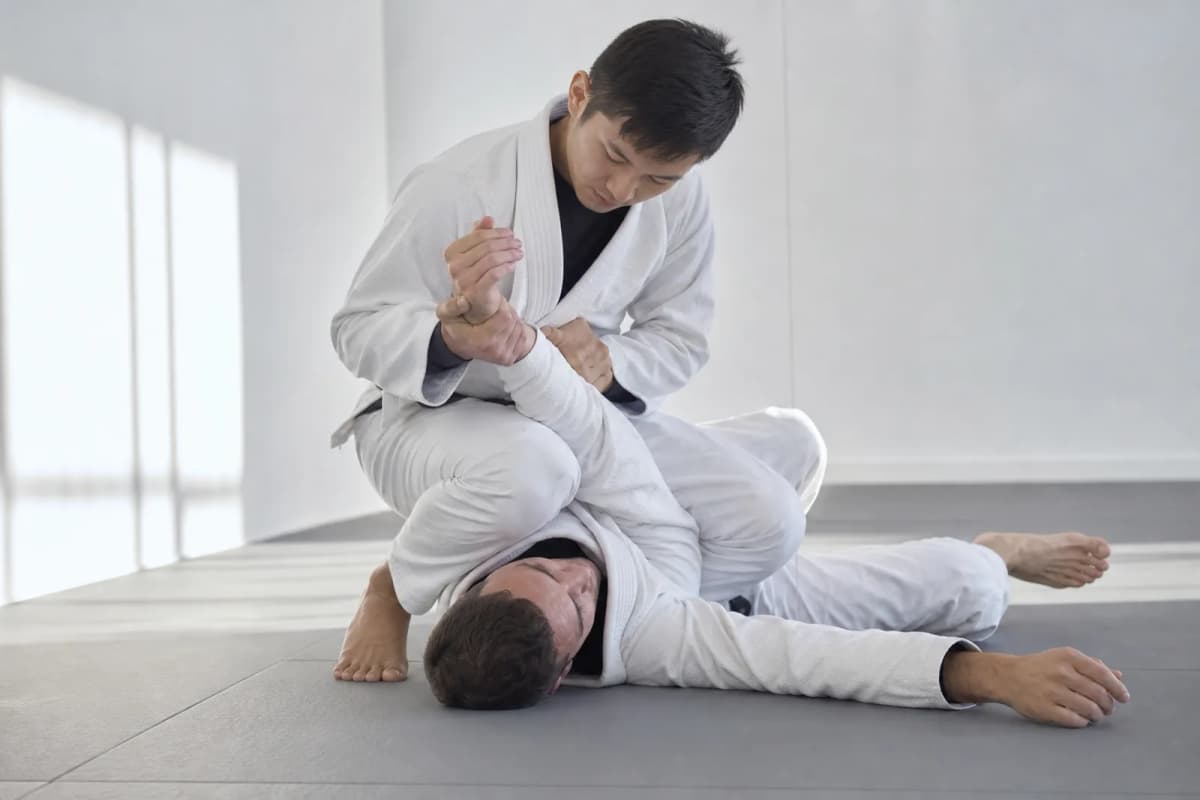
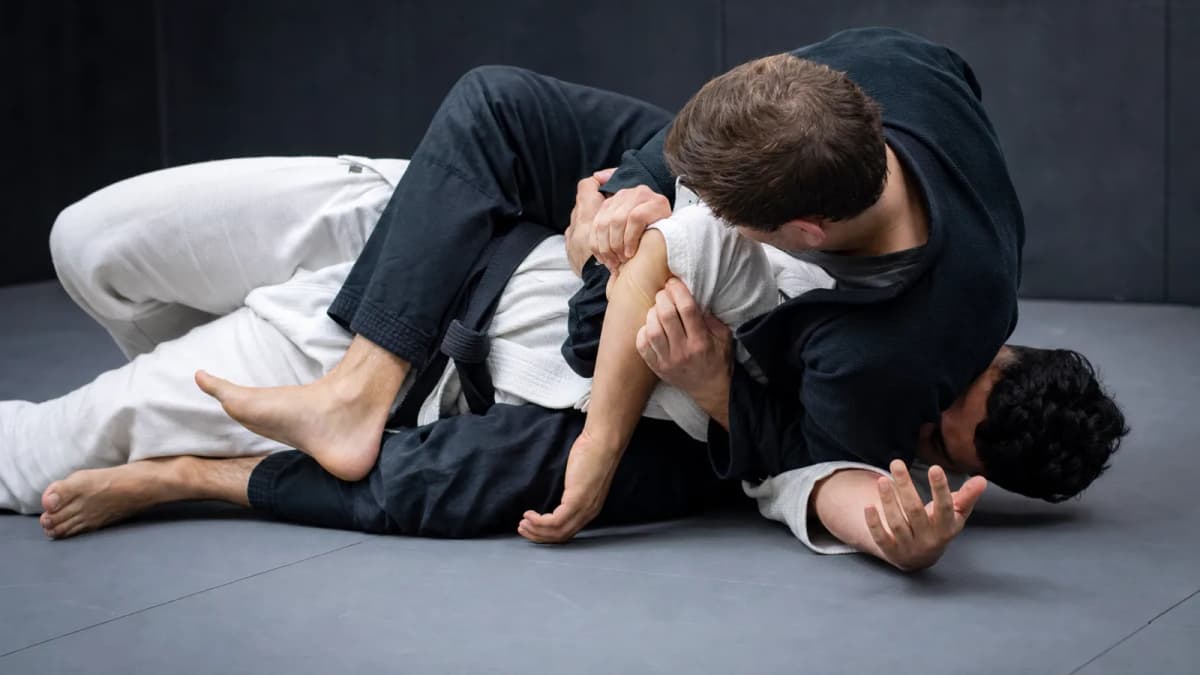
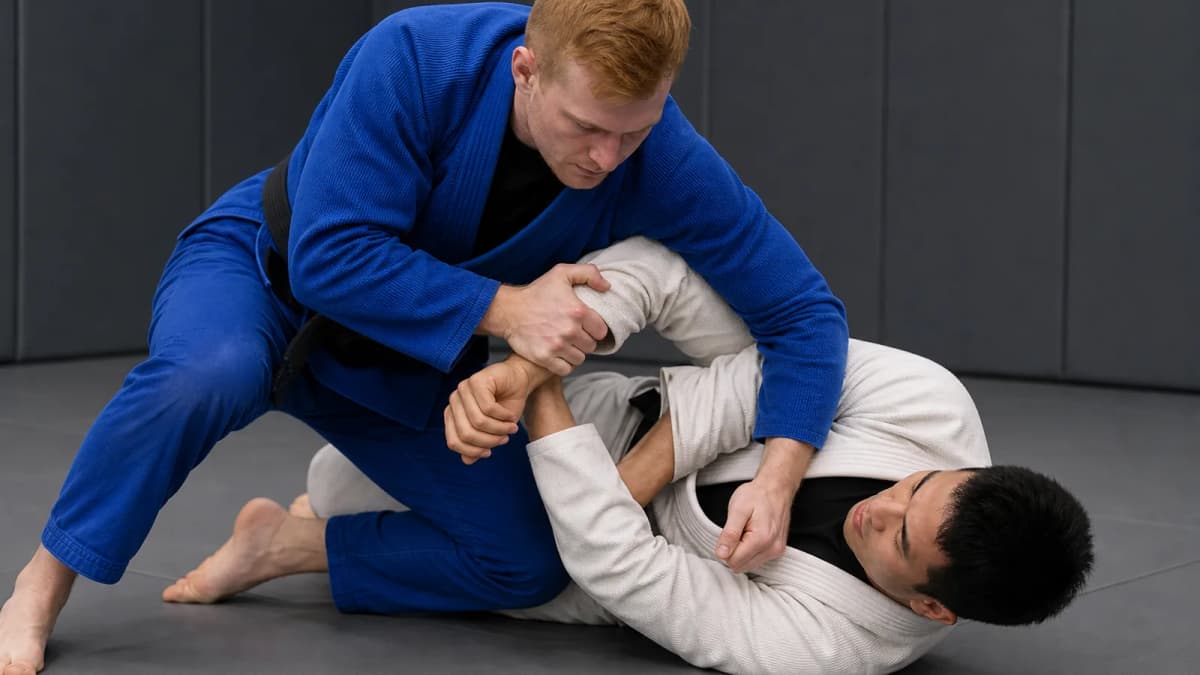
Perpendicular shoulder lock from mount and side control — punishes arms pinned flat on the mat.
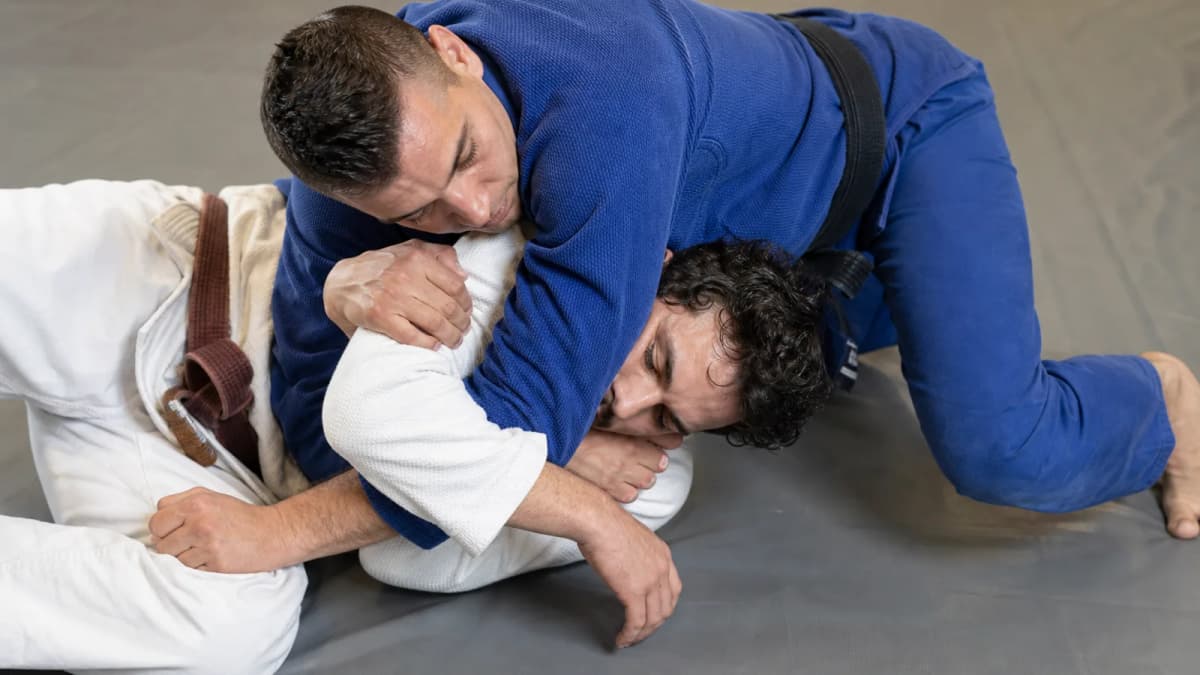
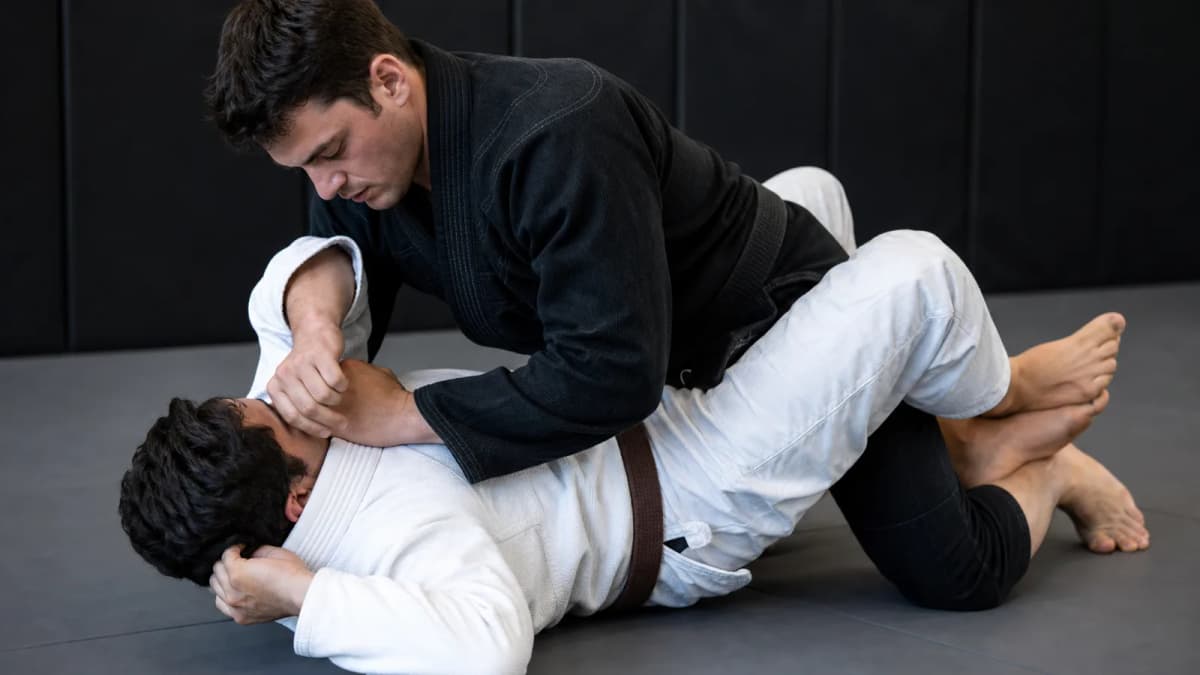
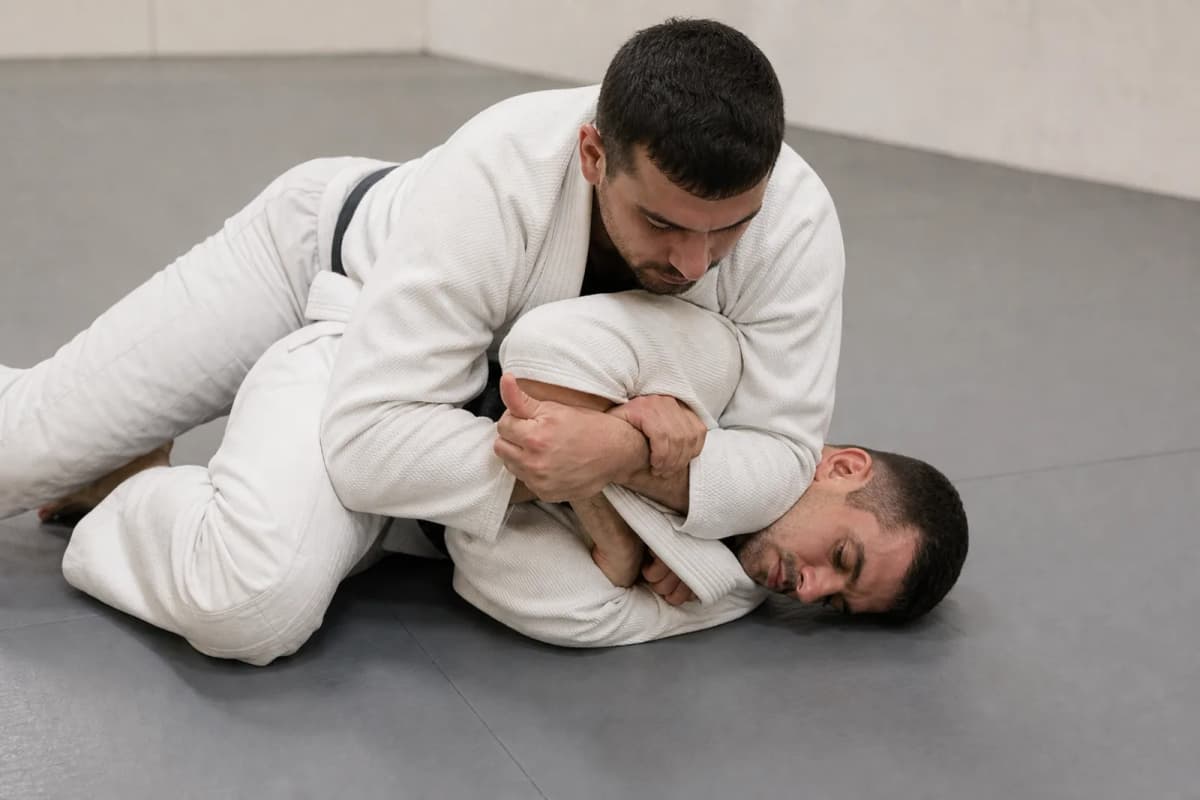
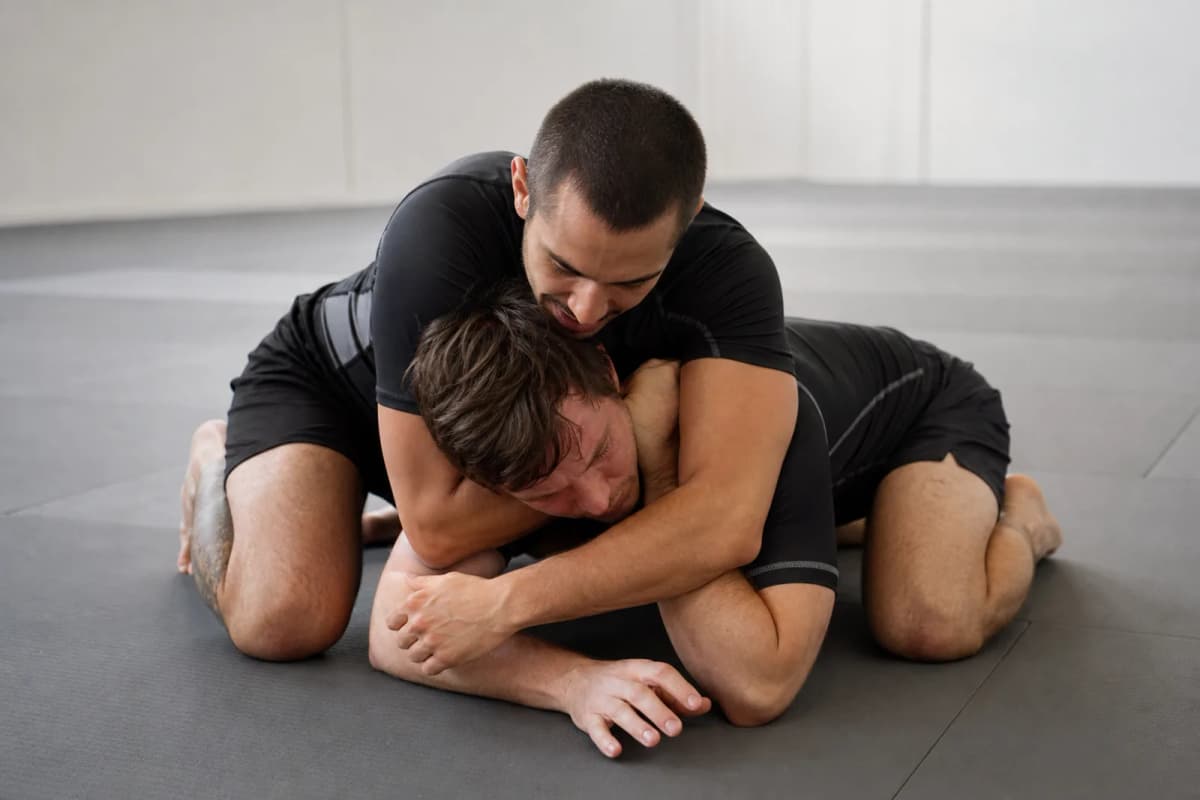
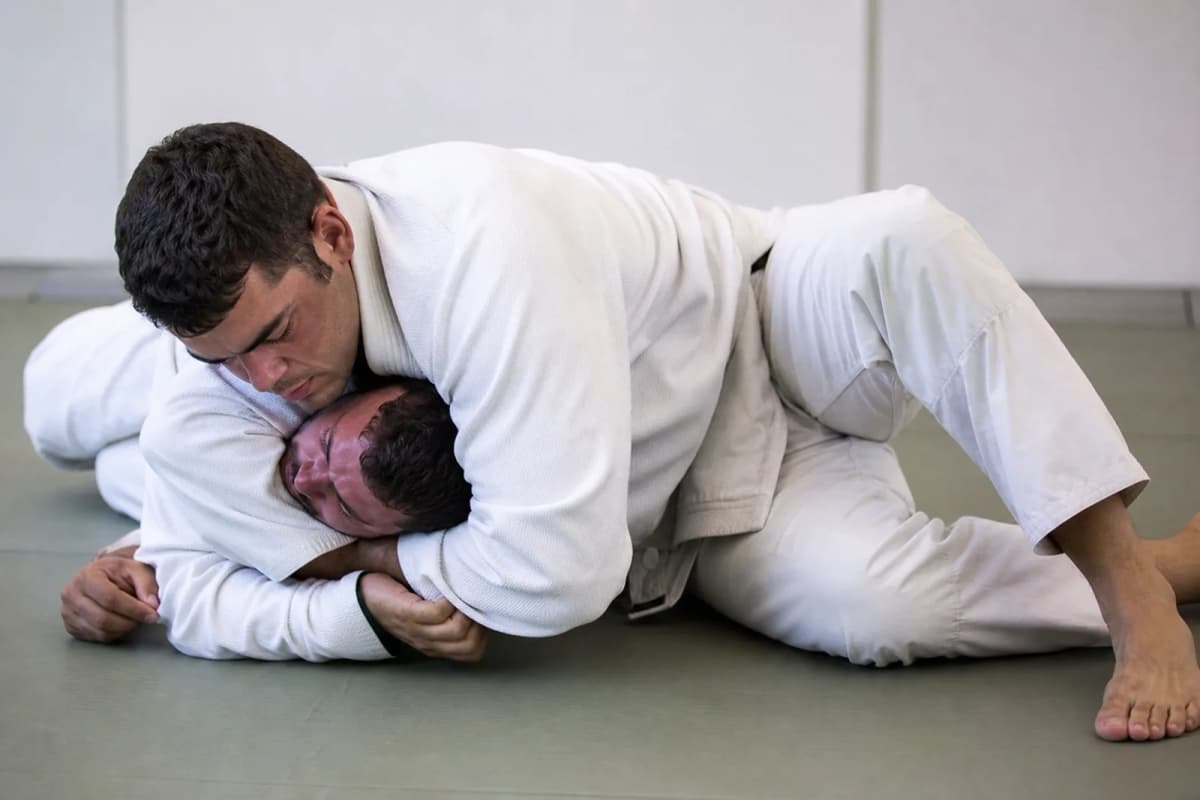
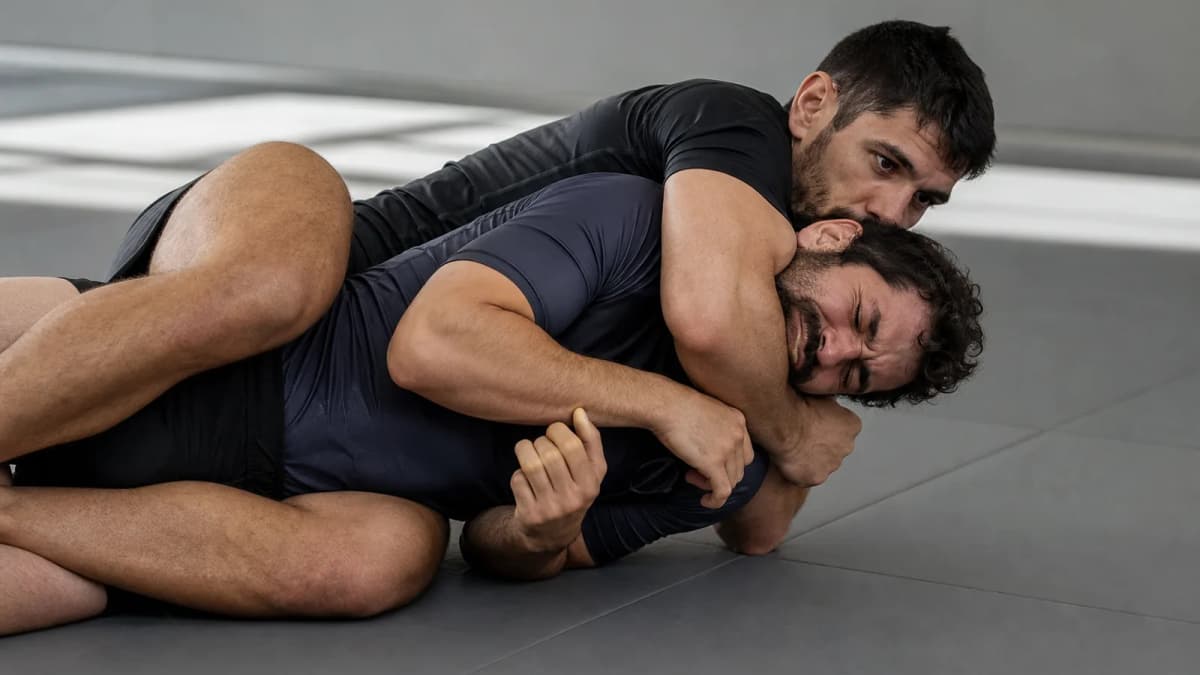
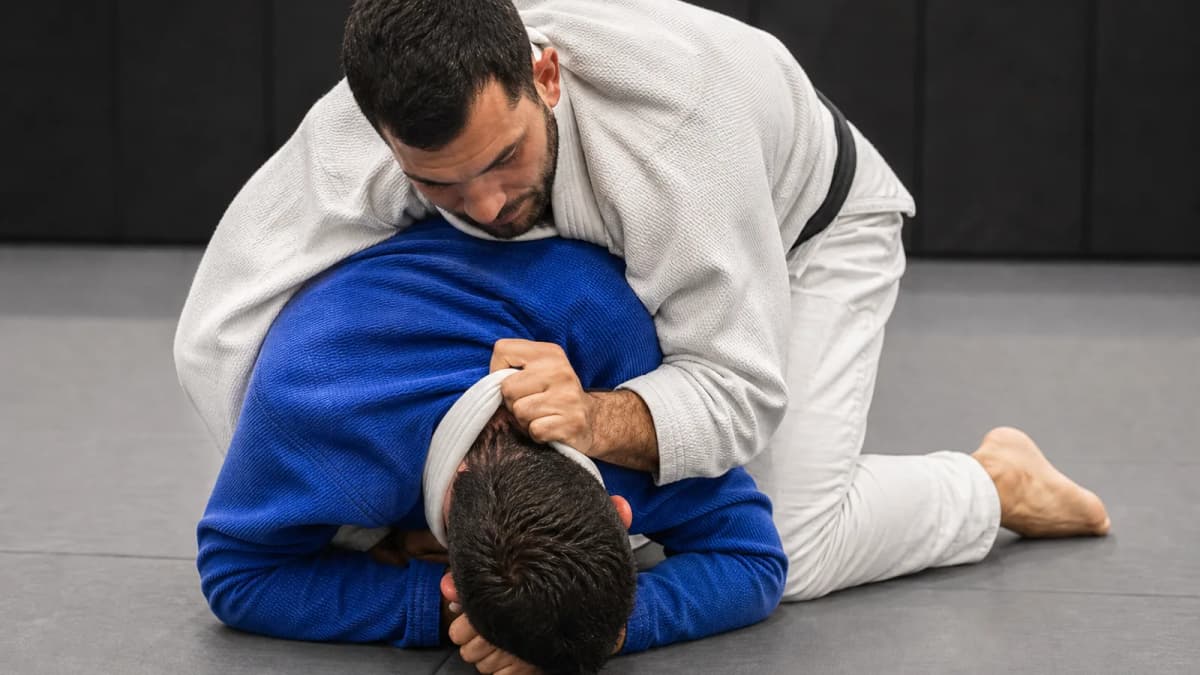
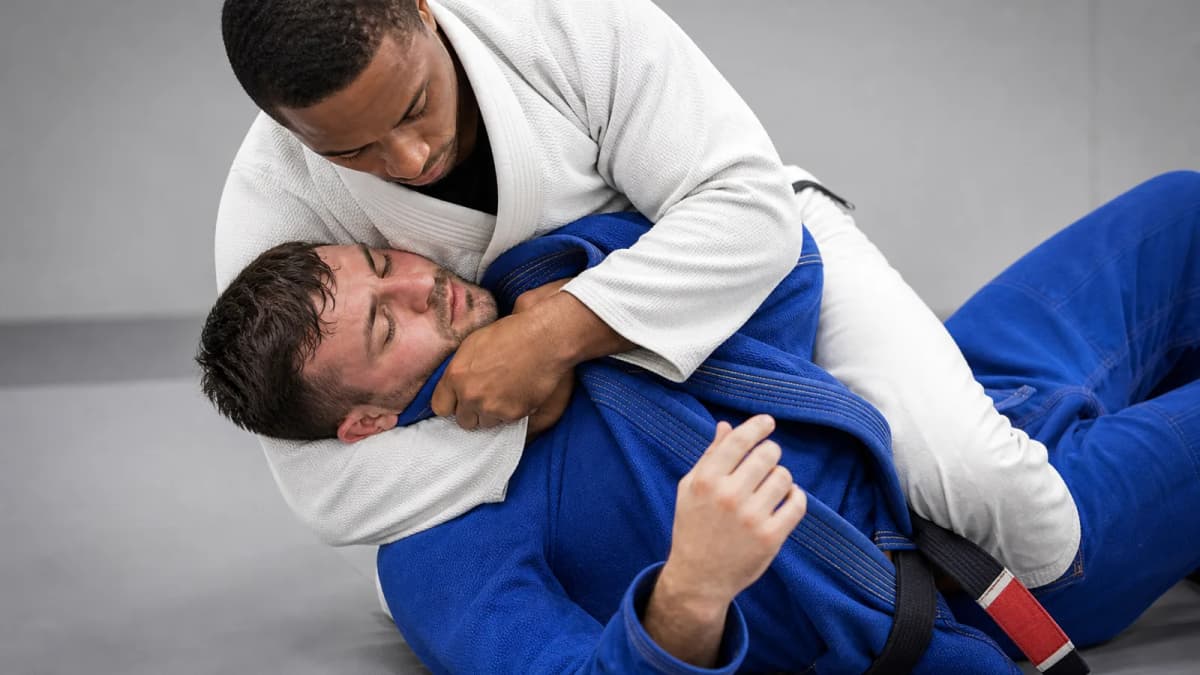
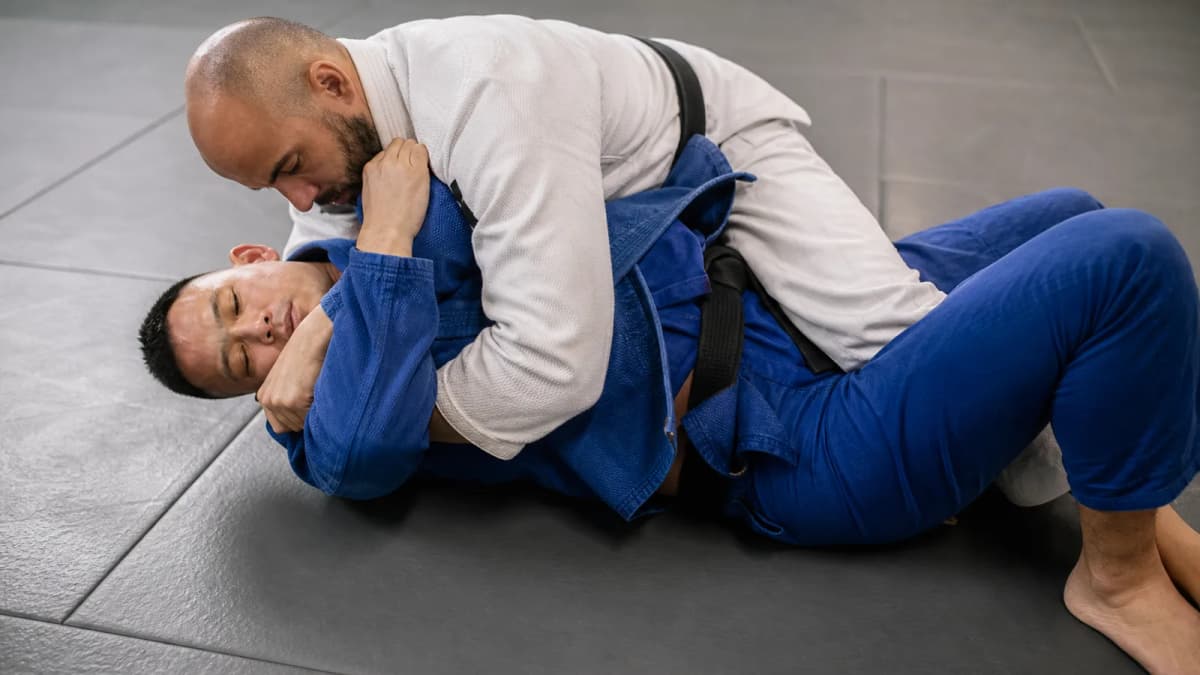
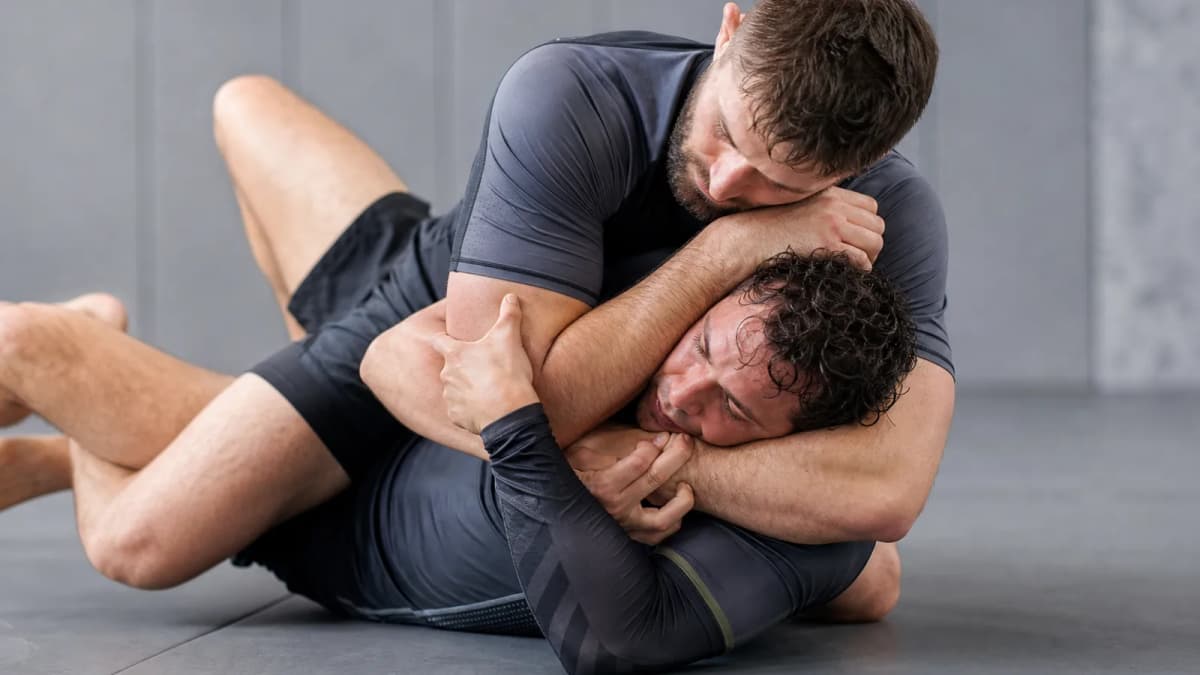
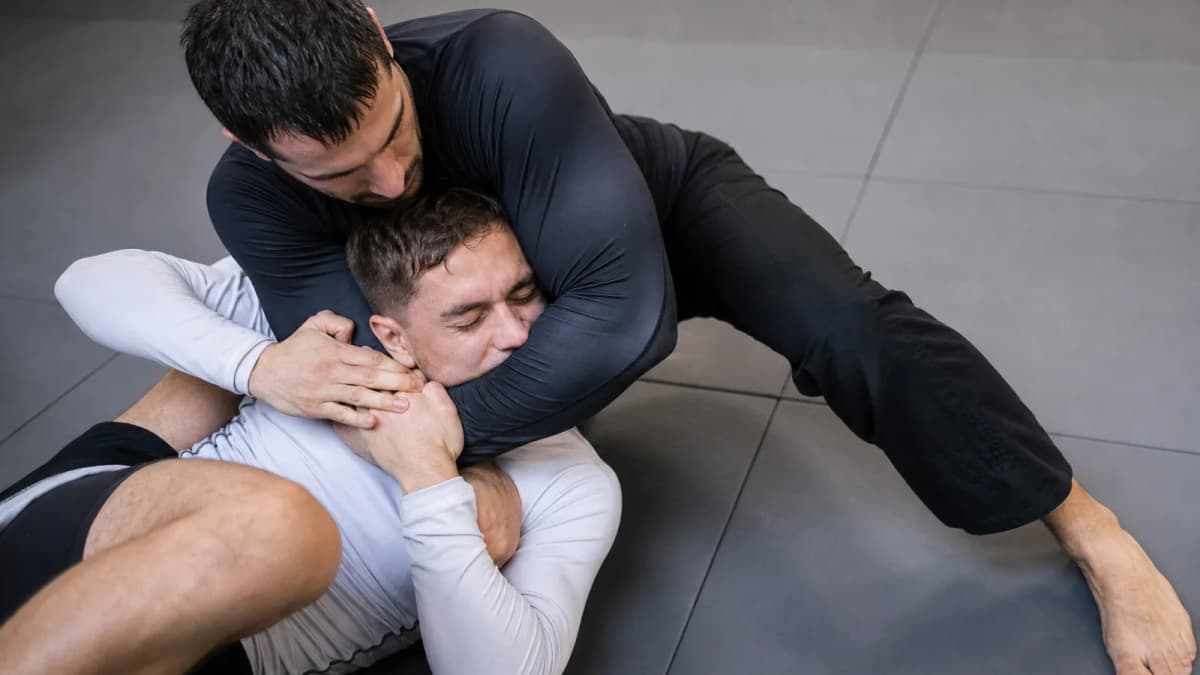
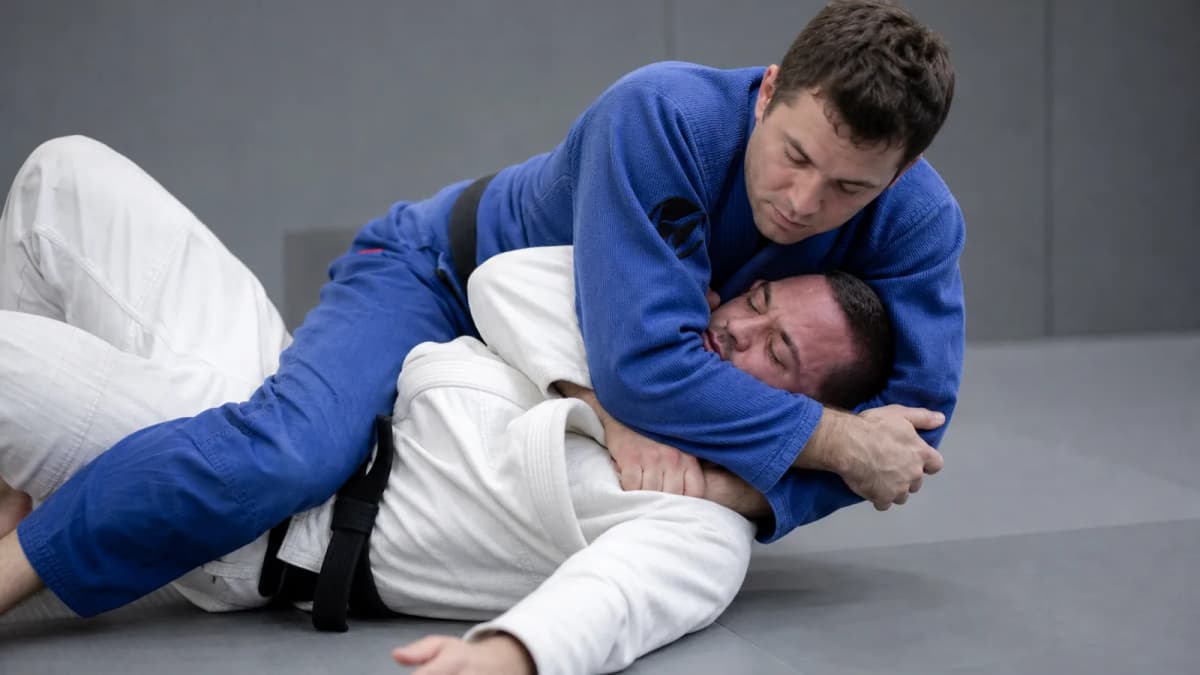
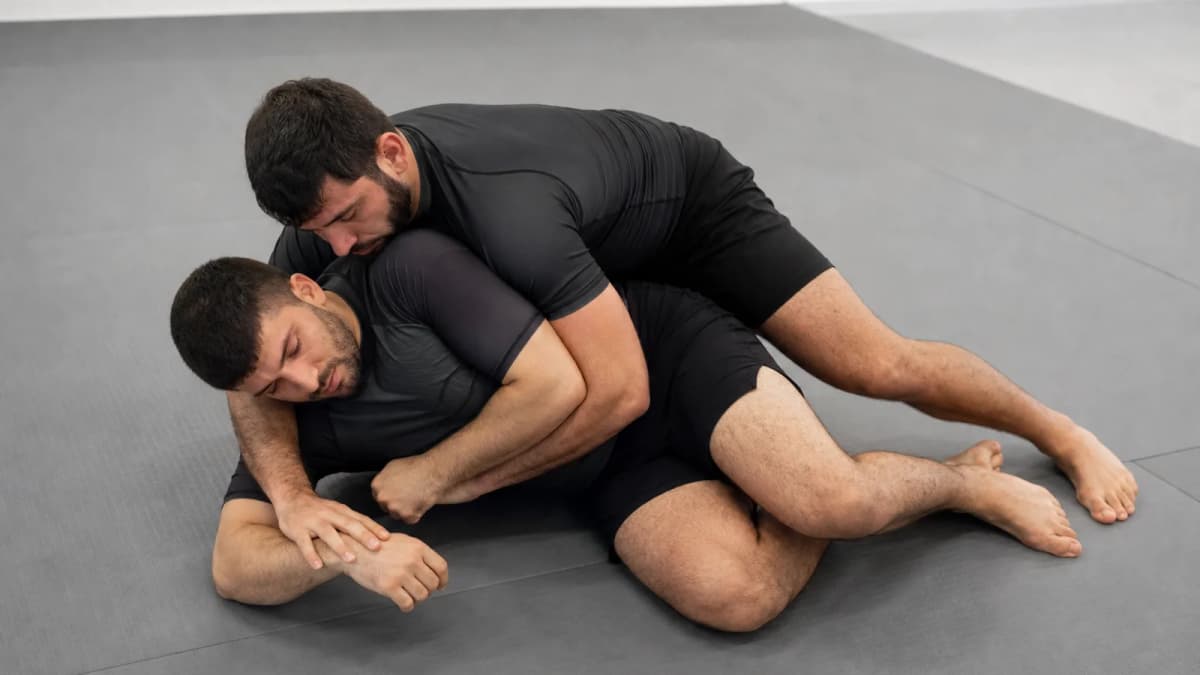
Head-and-arm strangle from side control and mount — uses your shoulder and their trapped arm to cut blood flow.
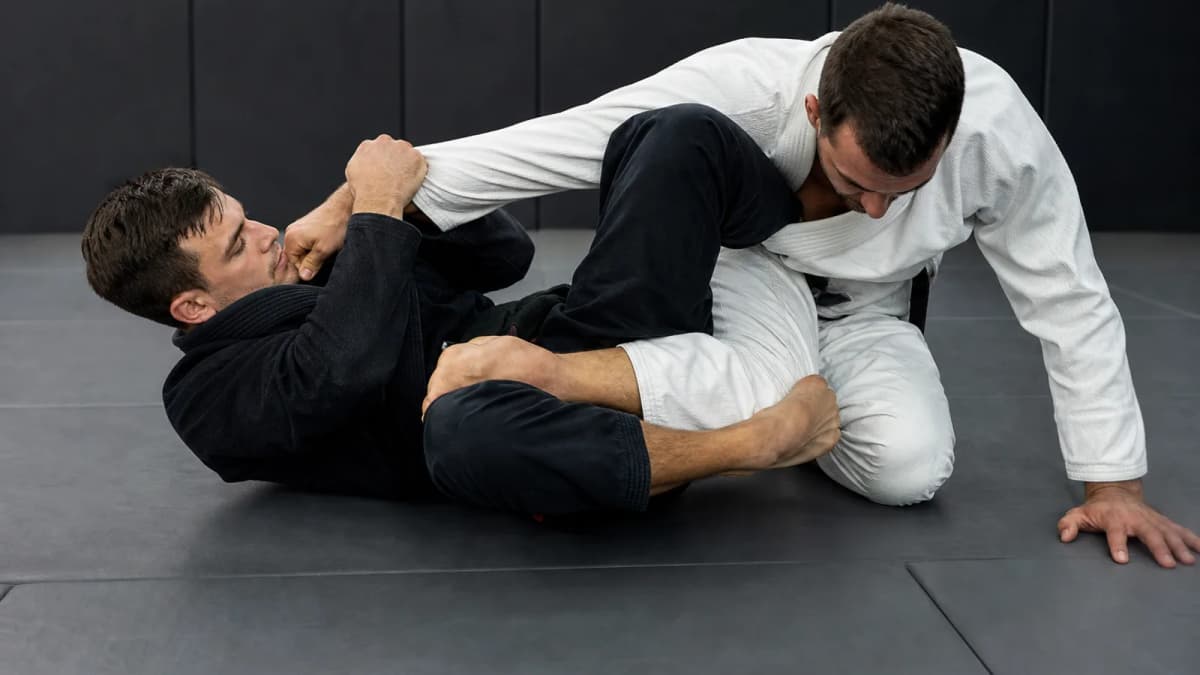
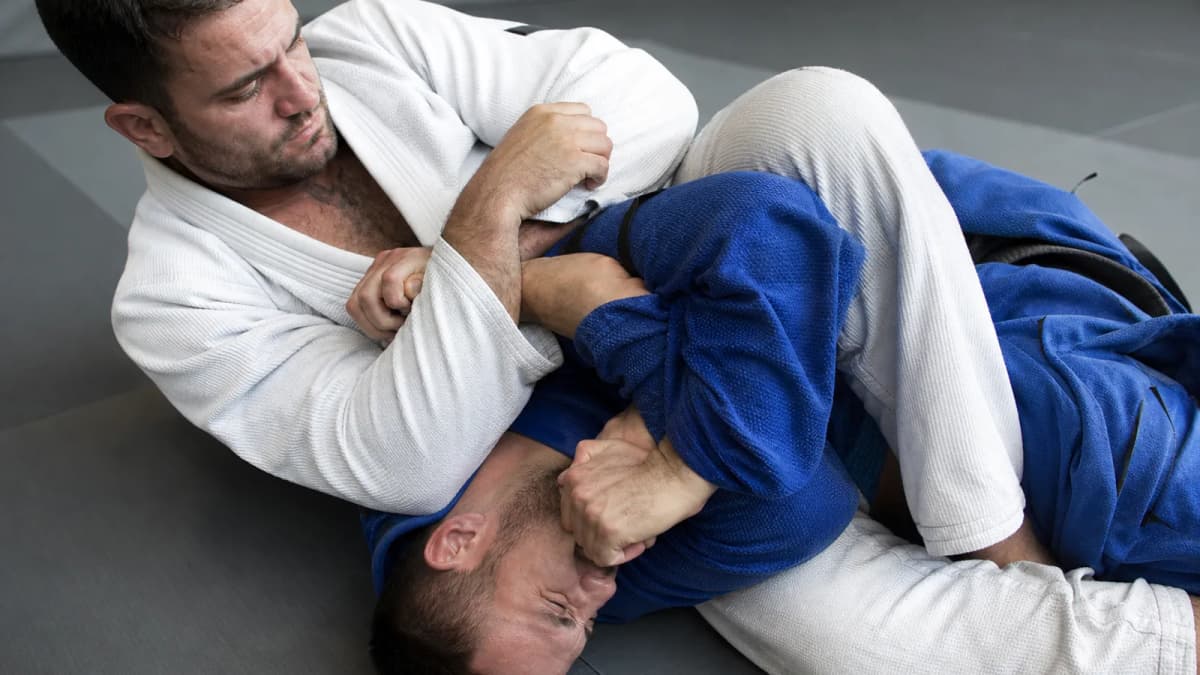
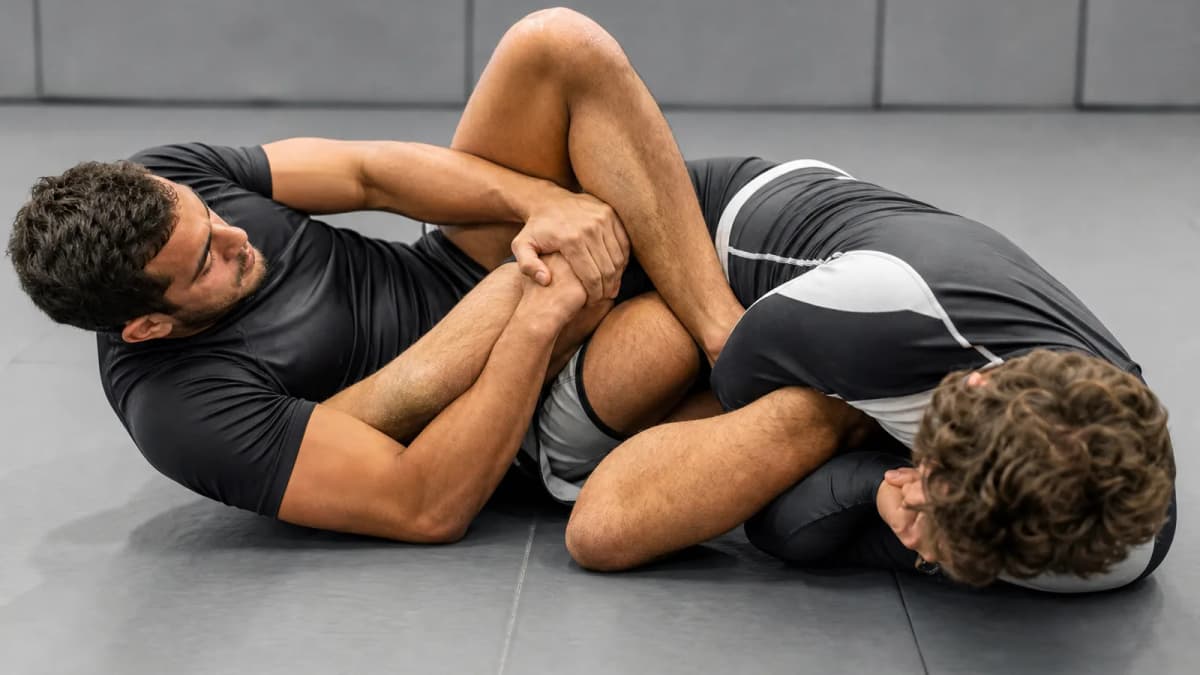
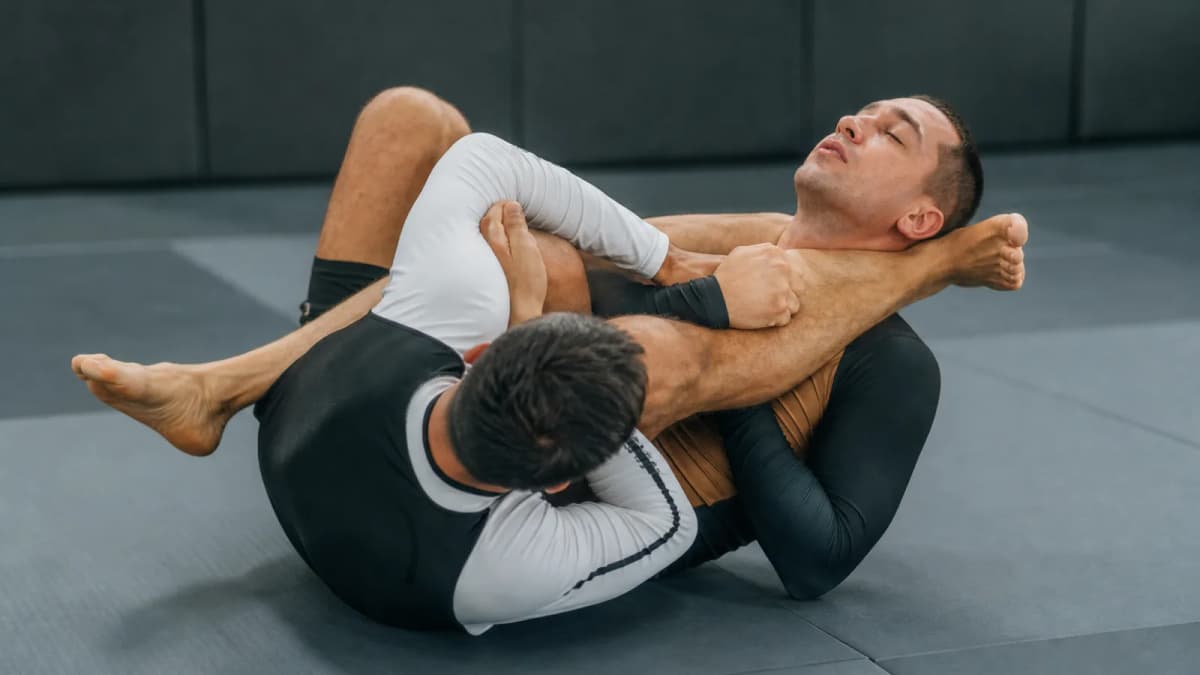
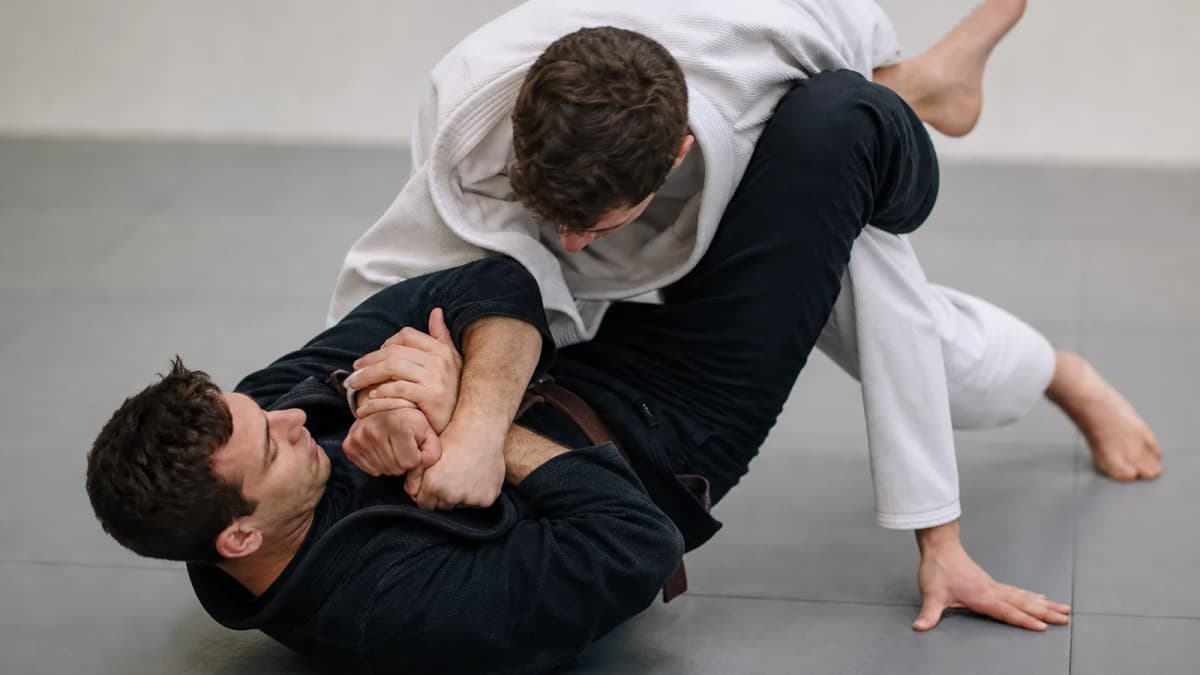
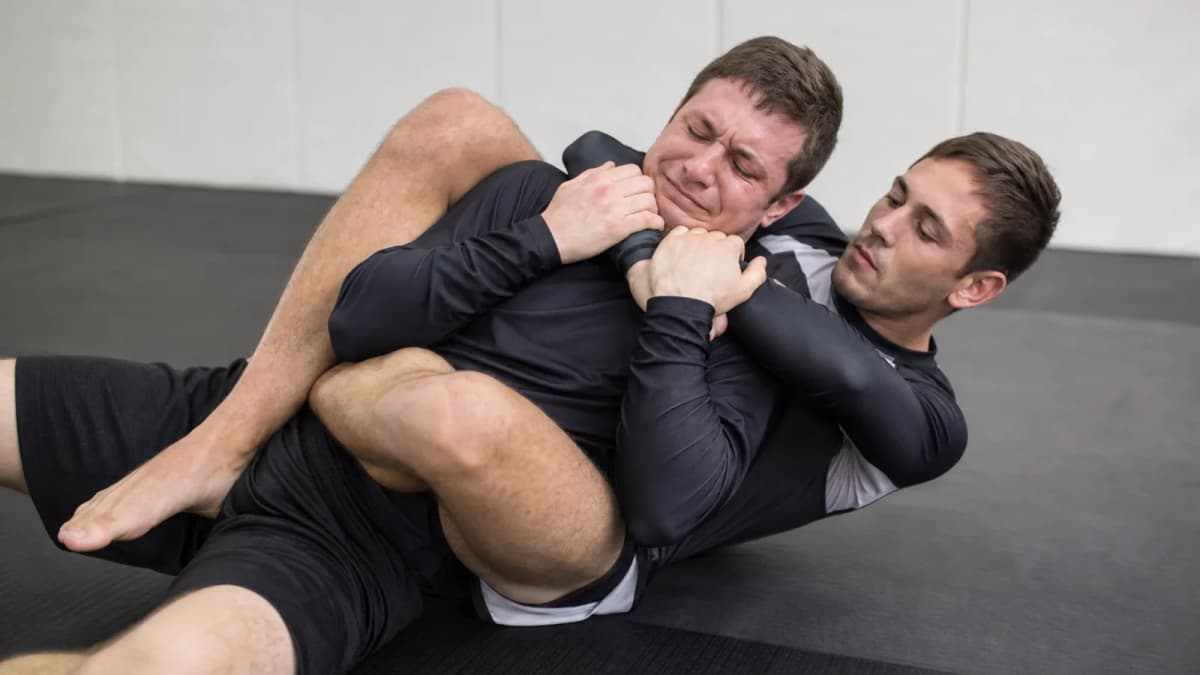
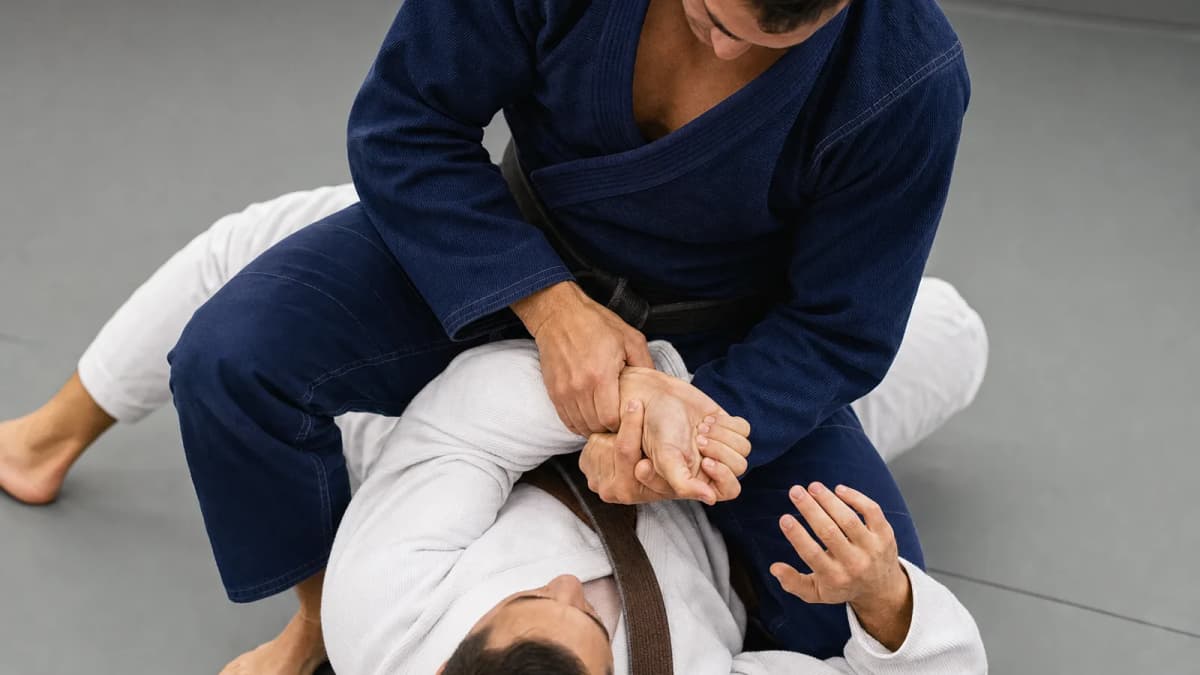
Classic elbow hyperextension attack from guard, mount, and back — one of the first submissions every white belt learns.
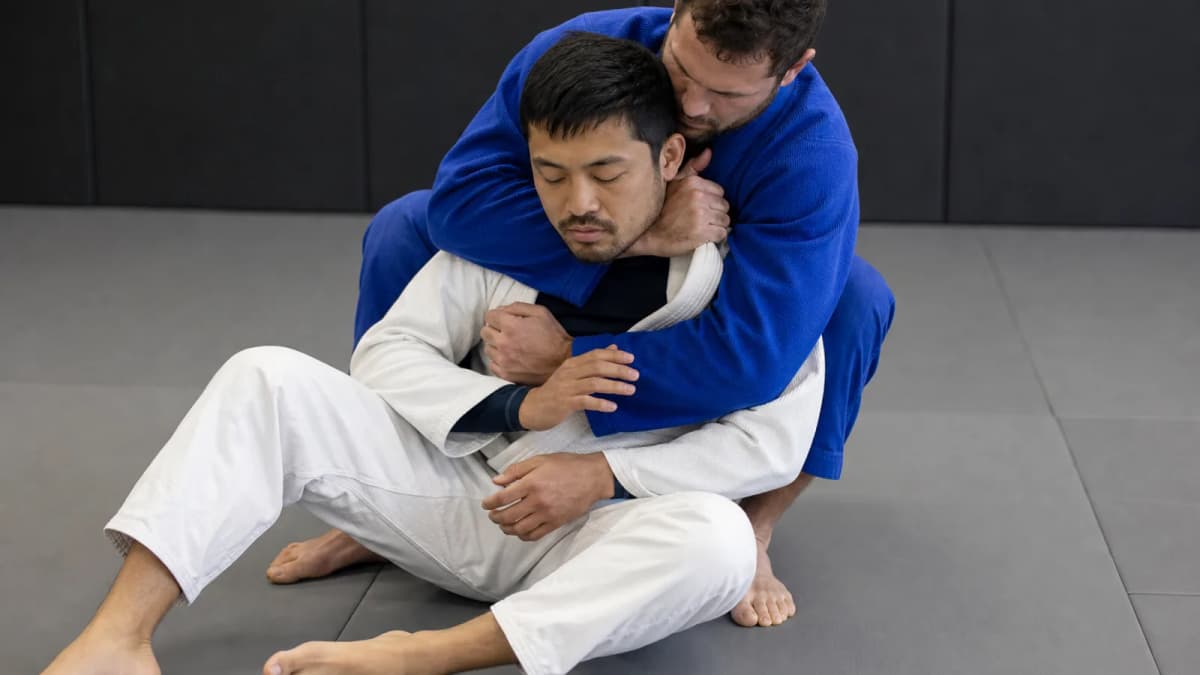
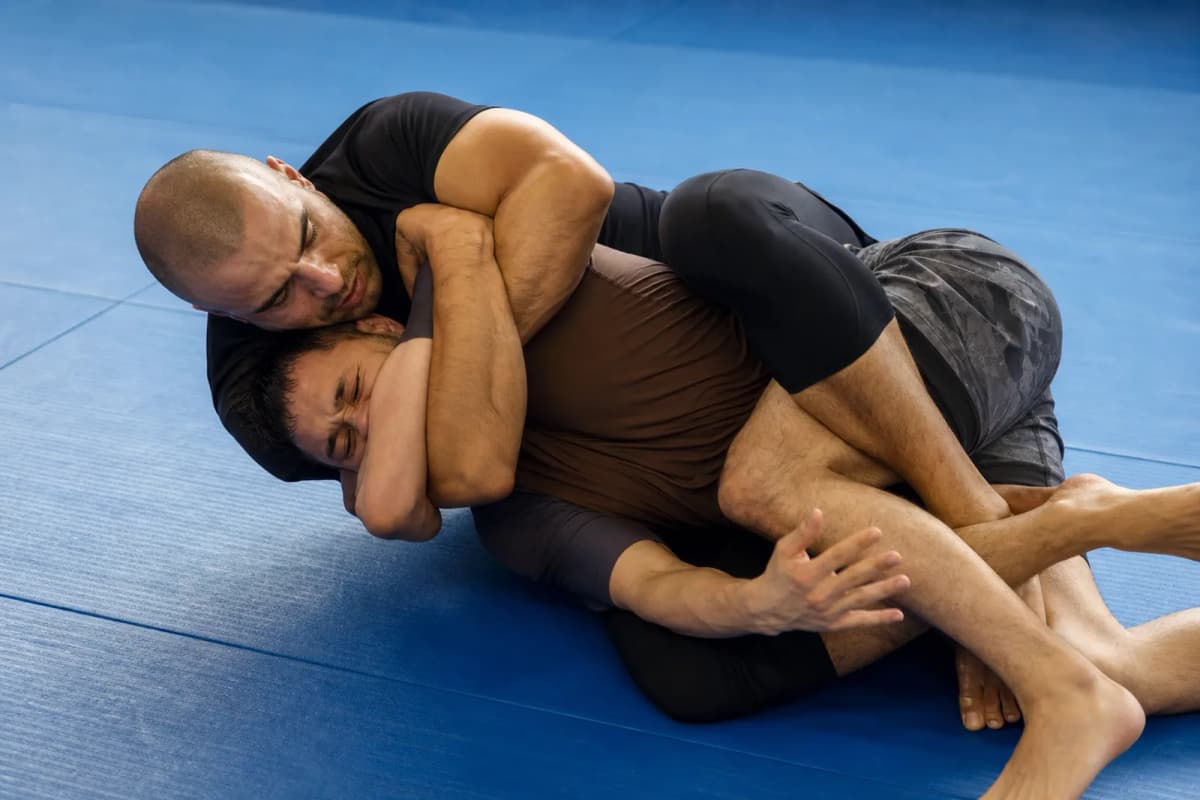
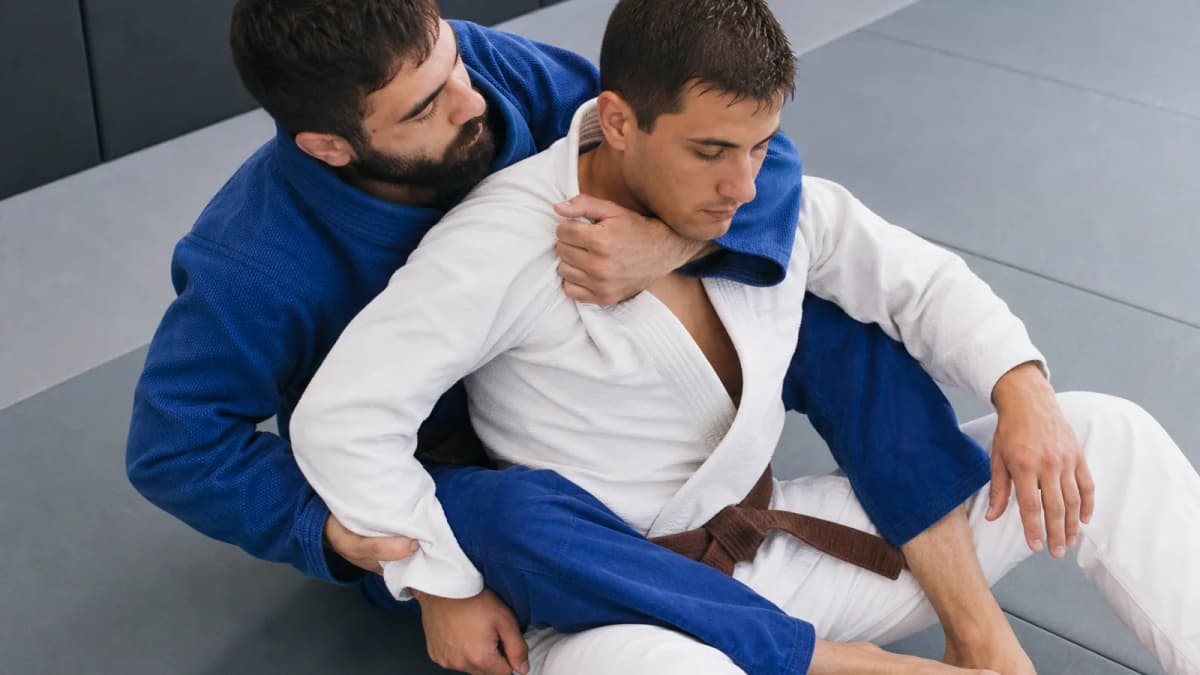
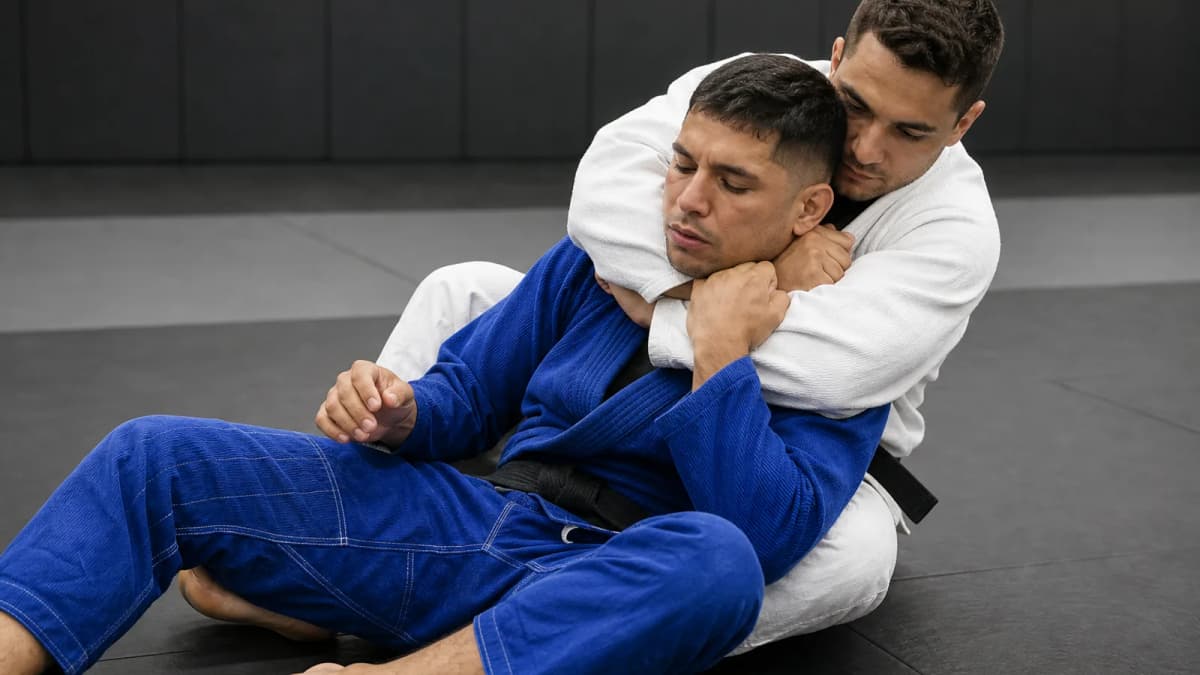
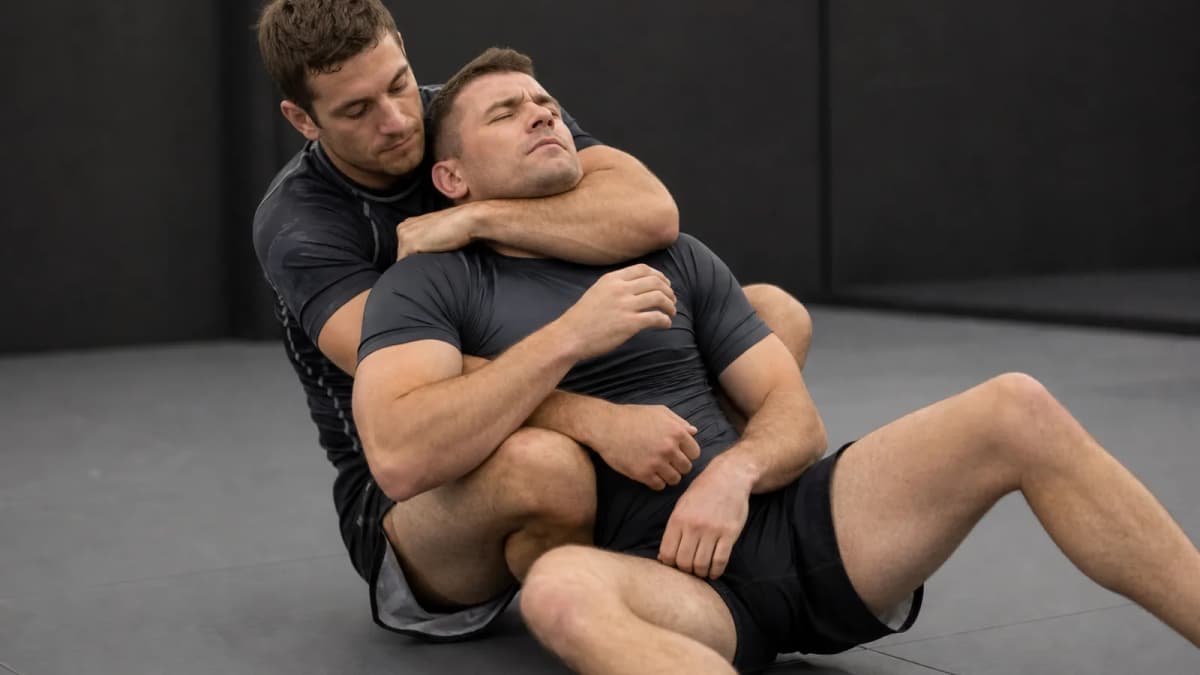
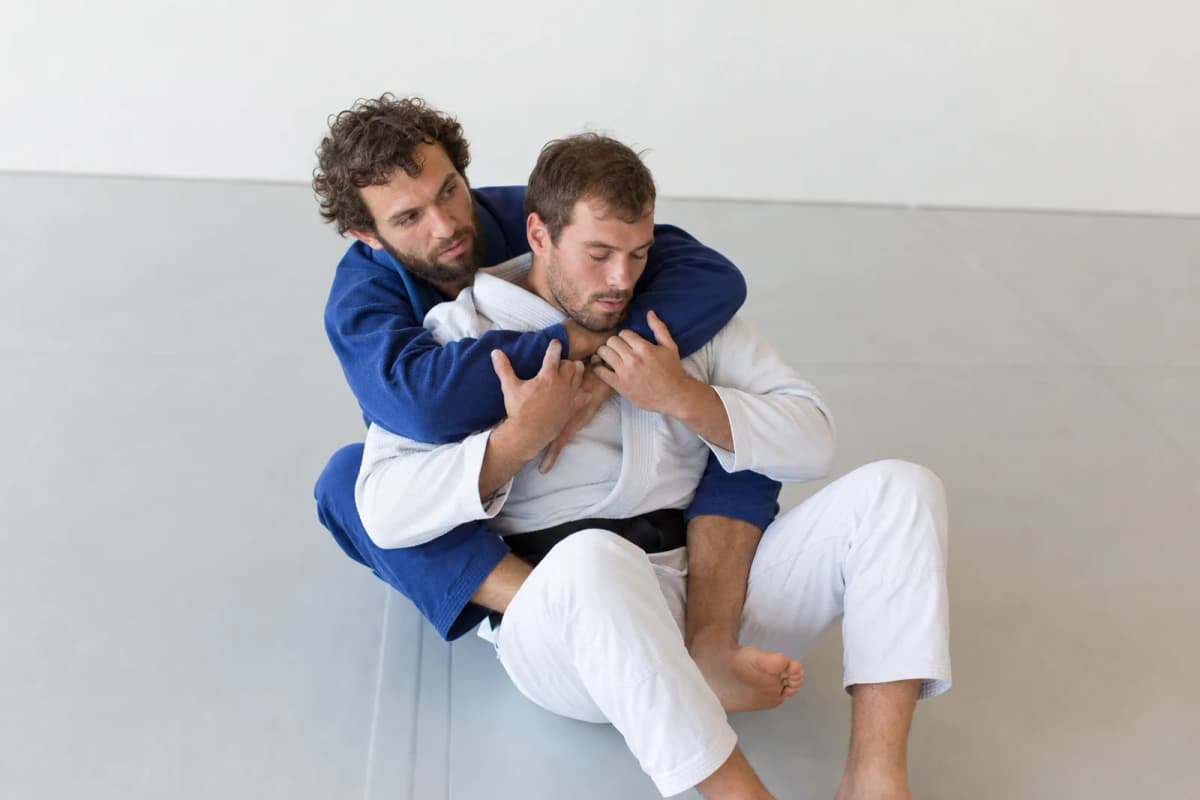
Collar strangle from back control using leg and collar grips — one of the strongest gi chokes from the back.
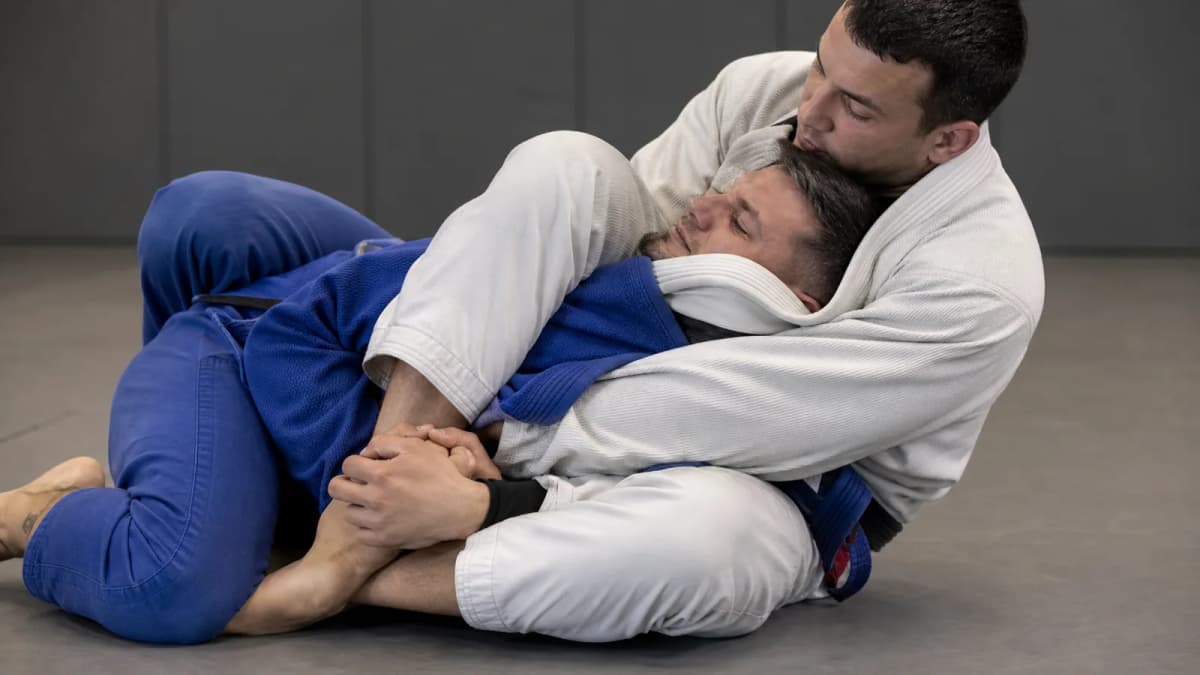
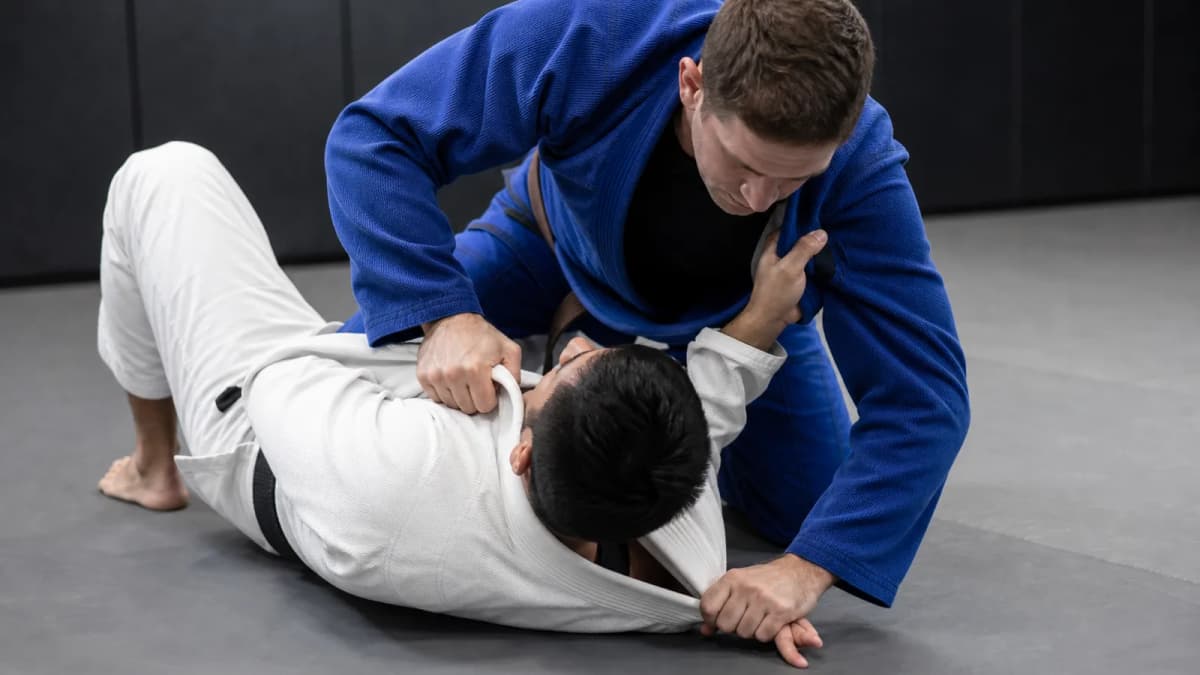
Classic gi strangle using deep cross-collar grips — a foundational attack from guard and mount.
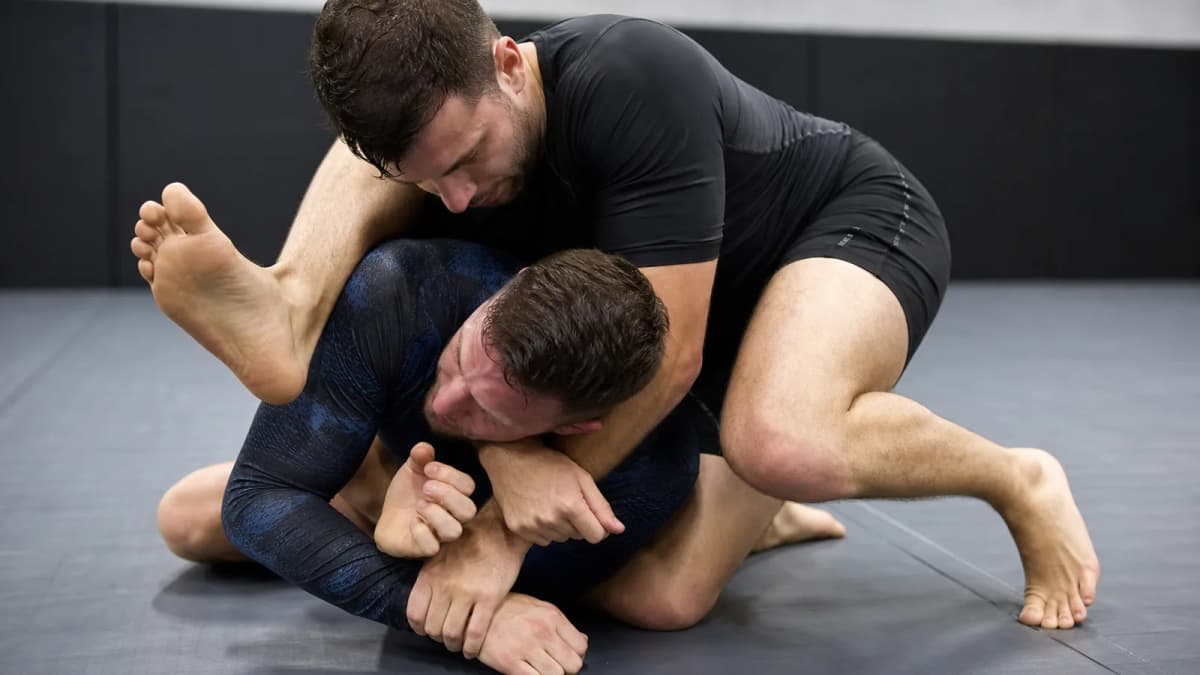
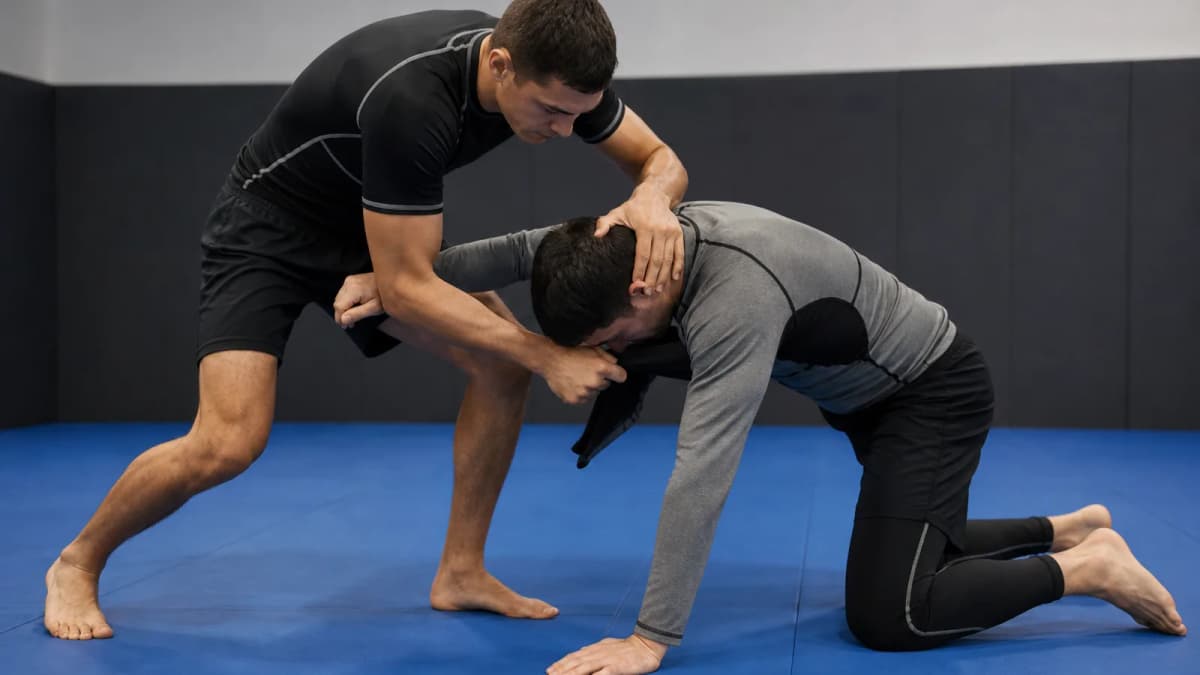
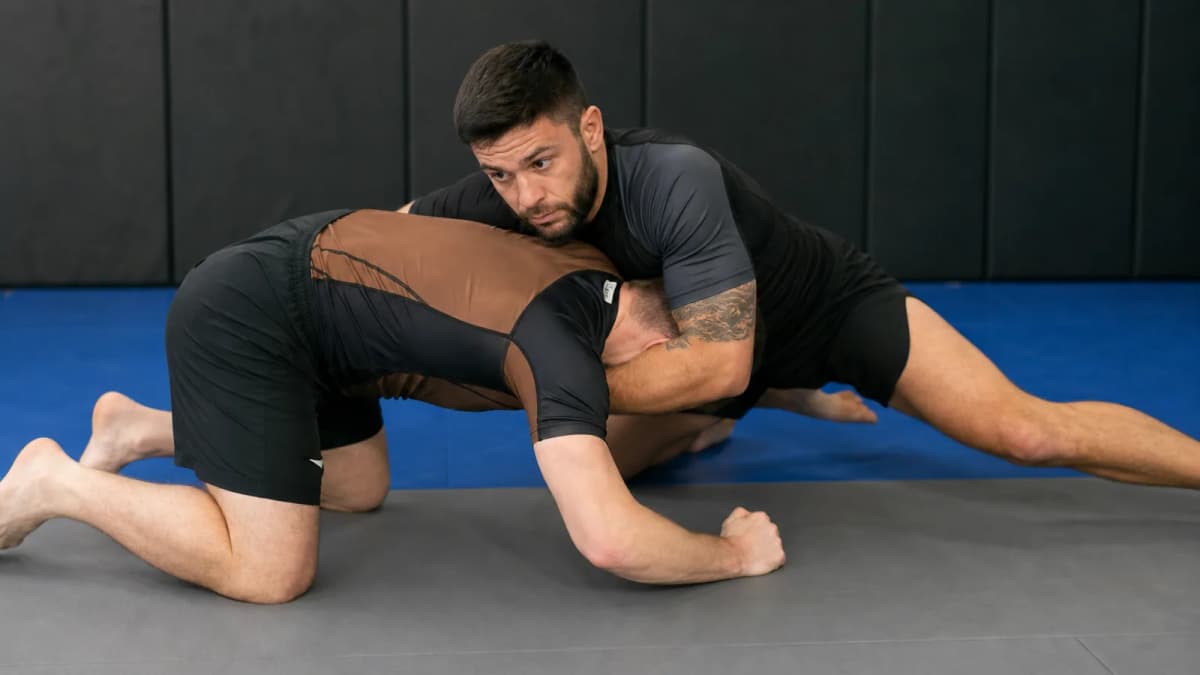
Arm-in brachial strangle from front headlock — a modern no-gi staple when the guillotine arm slides too deep.
Sleeve-and-forearm strangle applied from mount and inside closed guard — surprising and tight when grips are set.
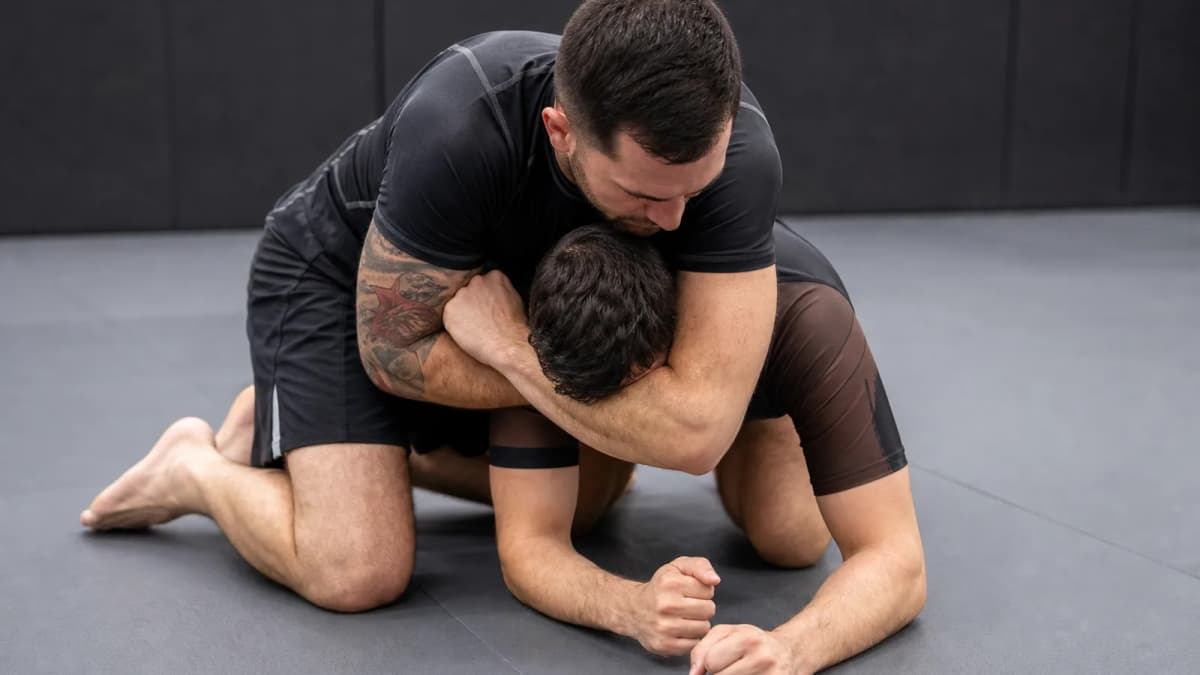
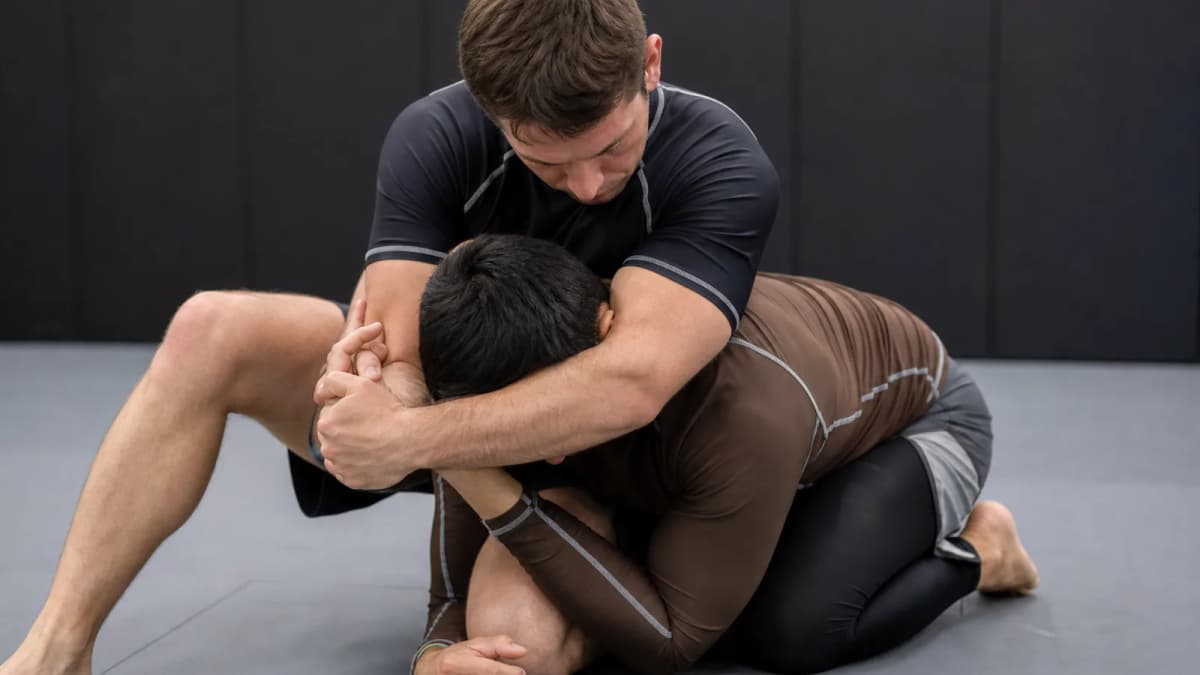
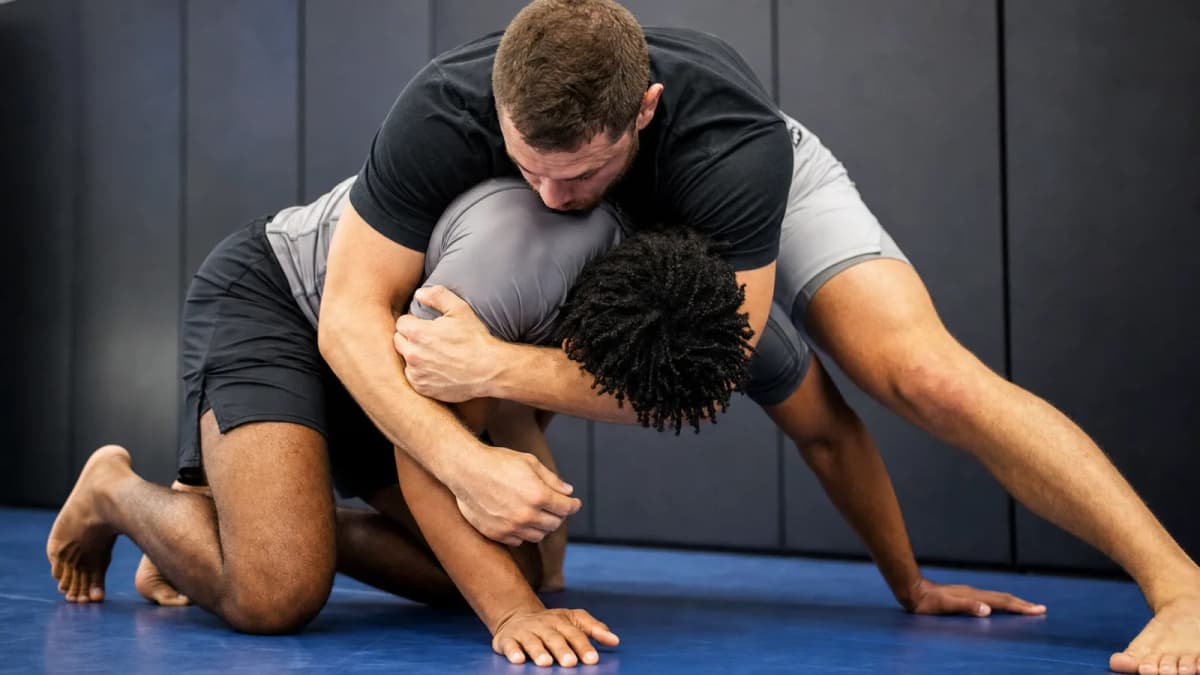
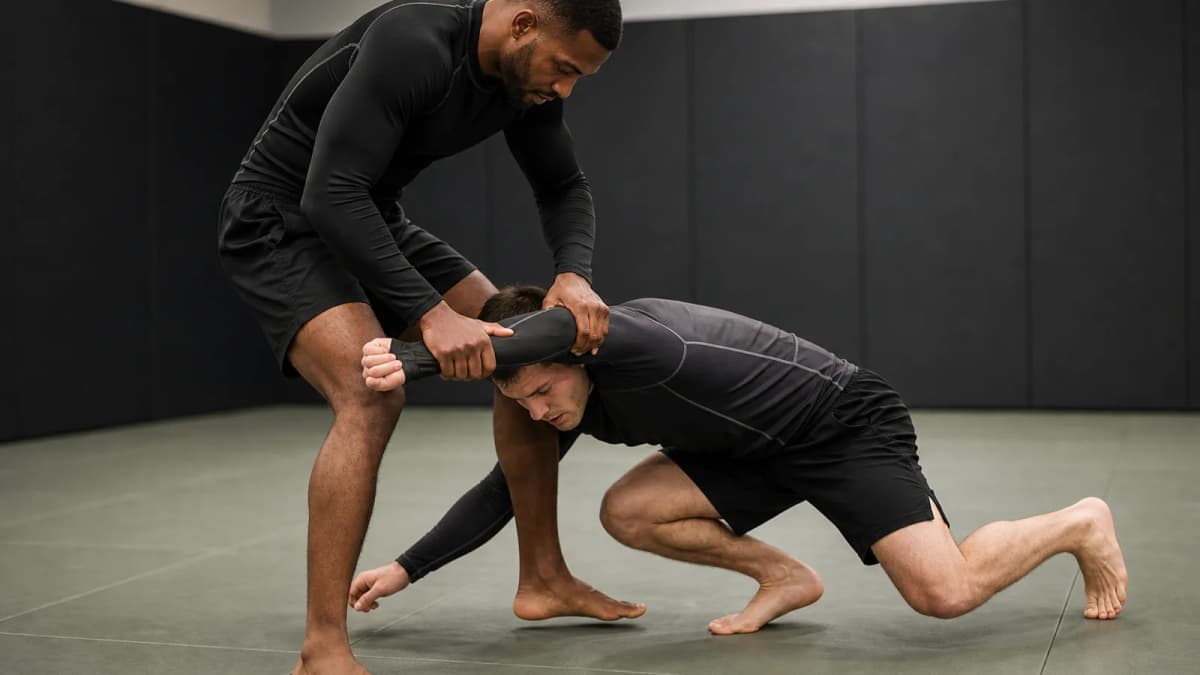
Front headlock strangulation that punishes level changes, failed shots, and loose posture in standing and guard.
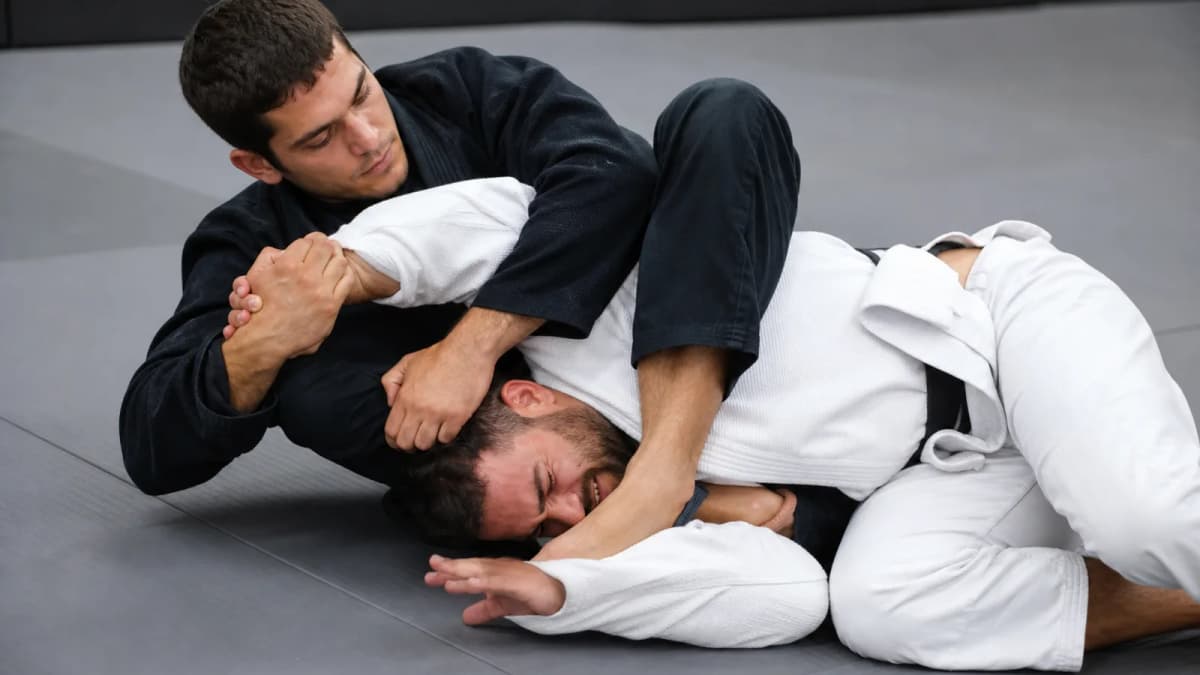
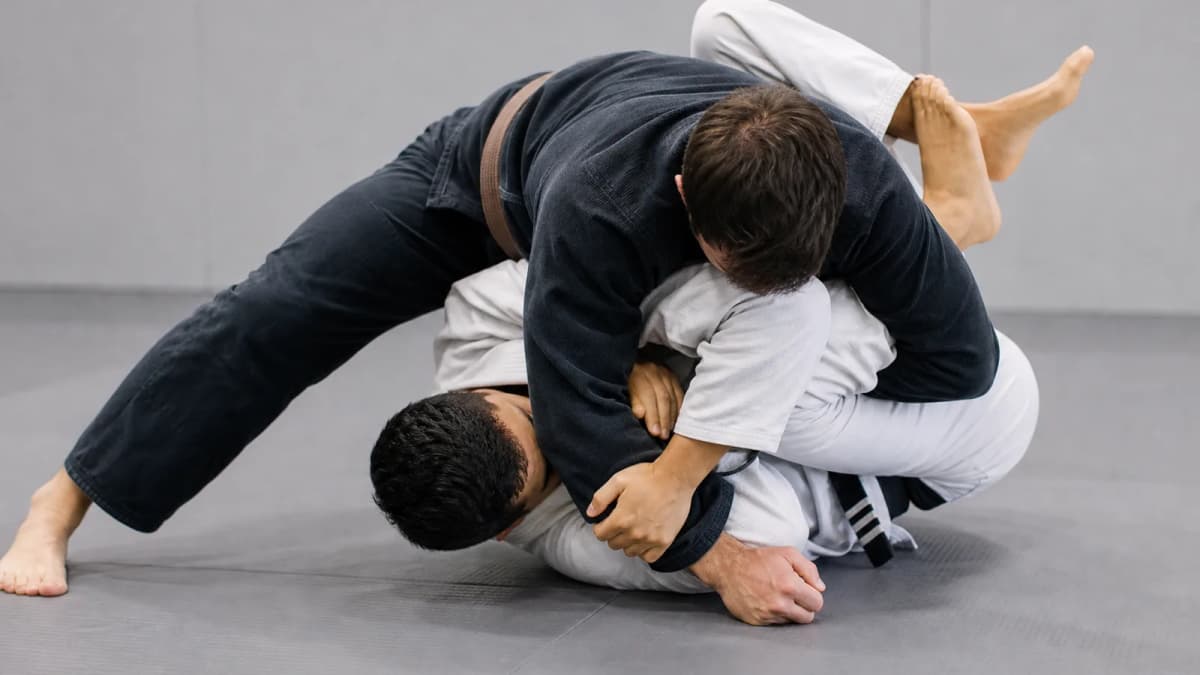
Figure-four shoulder lock that controls the arm from guard, side control, and north-south — a staple sweep and submission.
Shoulder lock using your legs from guard — a natural follow-up to triangle and armbar attacks.
The most fundamental and high-percentage submission in Brazilian Jiu-Jitsu.
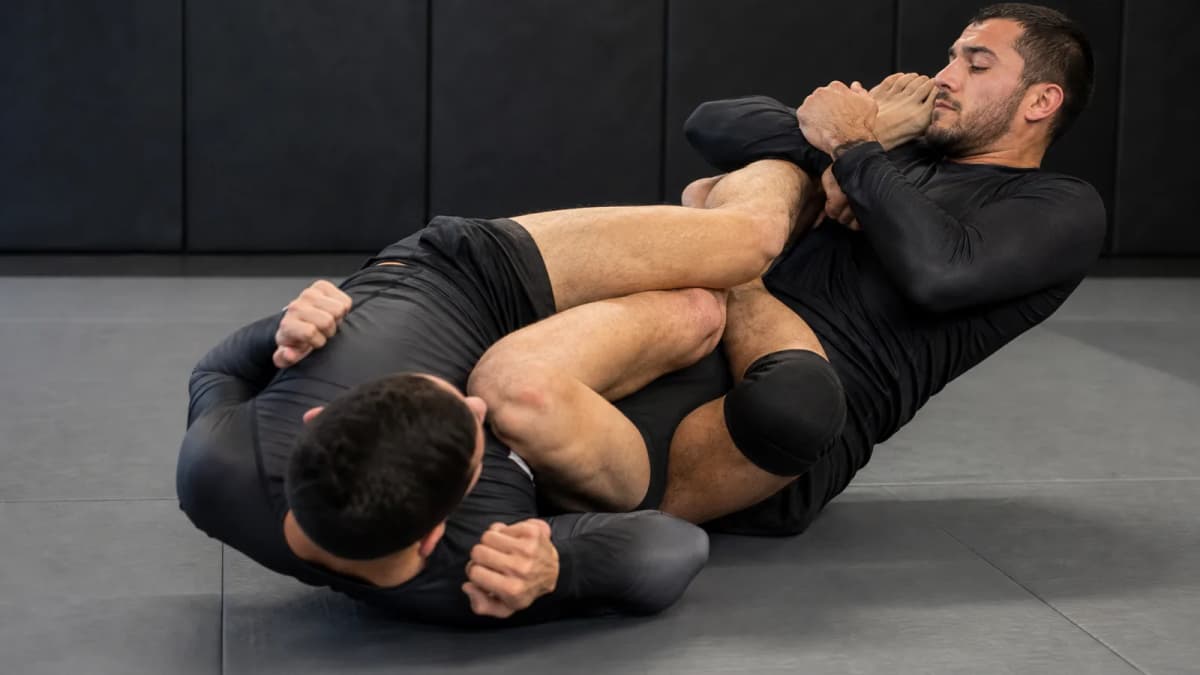
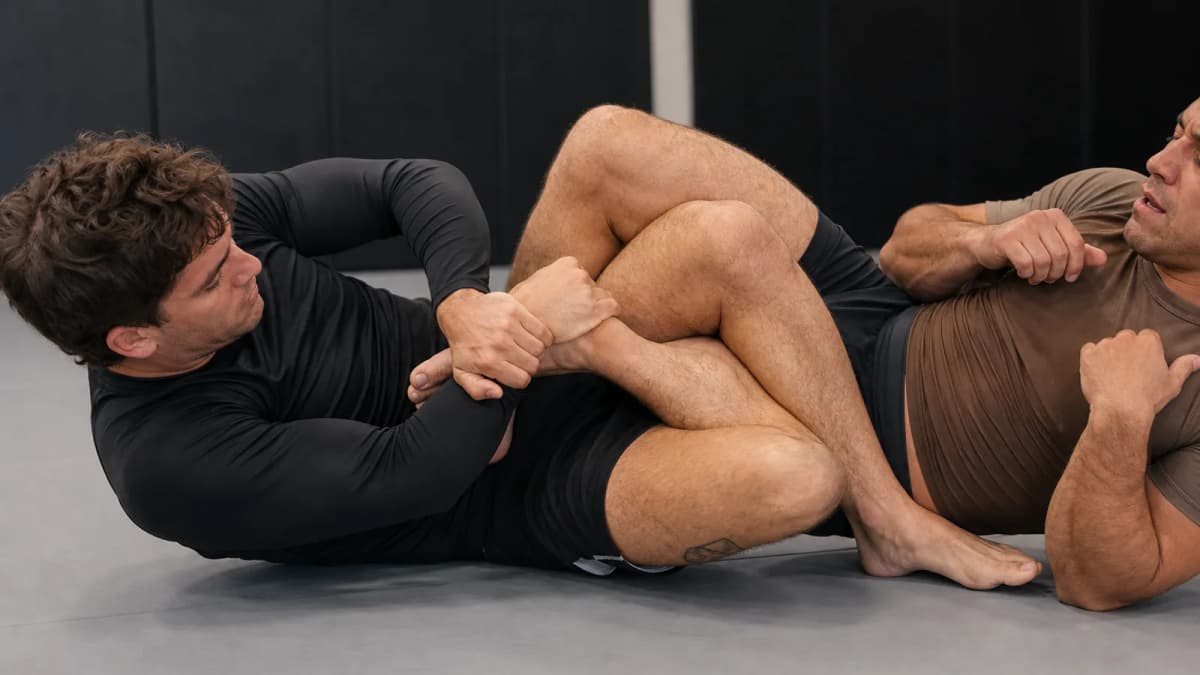
Primary straight foot lock attacking the ankle — legal at all adult belts in IBJJF and essential in no-gi leg entanglements.
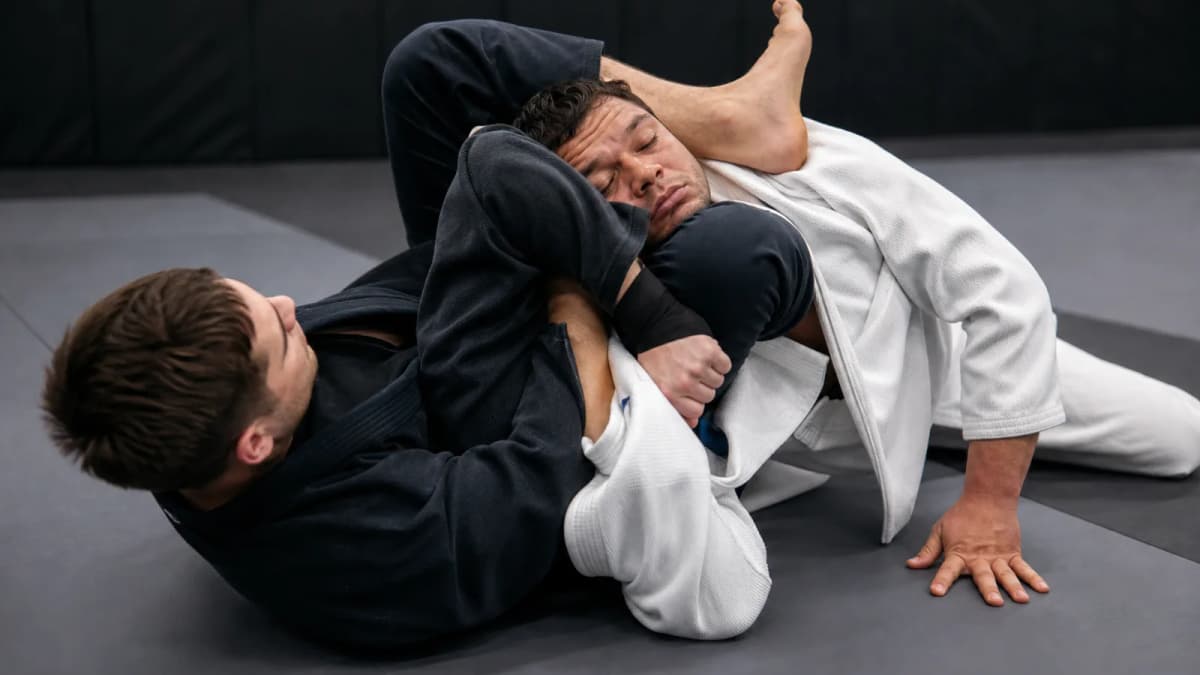
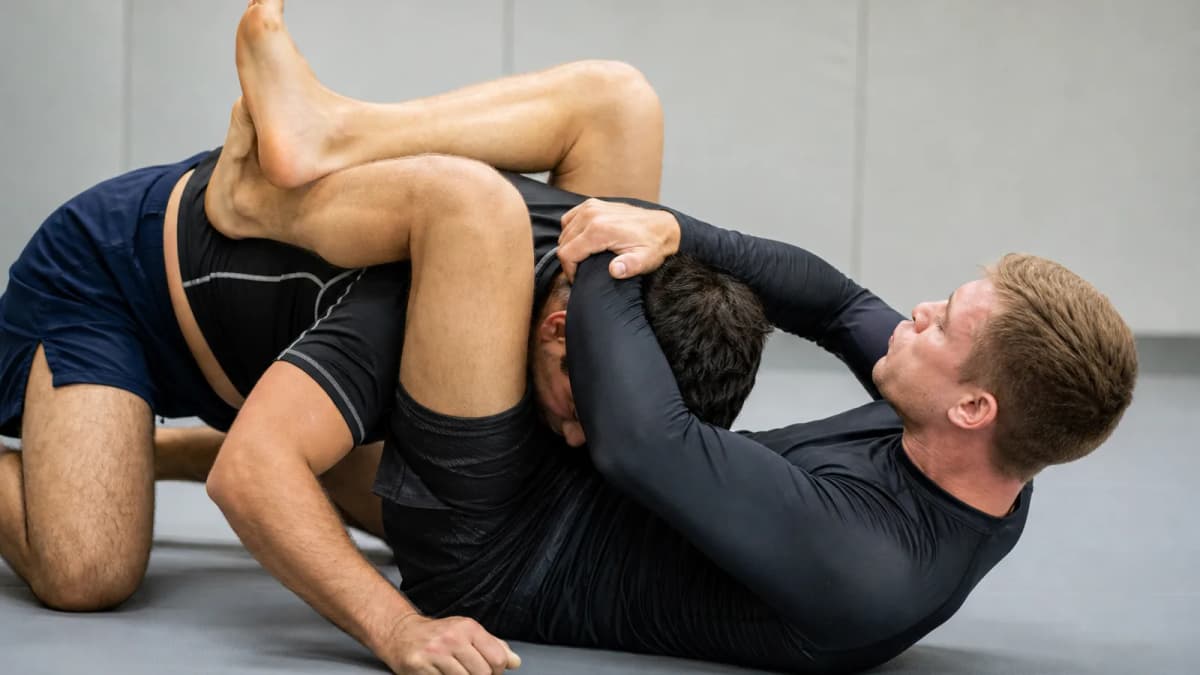
A classic submission from guard, using your legs to choke the opponent.
Pull the opponent’s arm across the body to expose the back — essential no-gi entry from standing and guard.
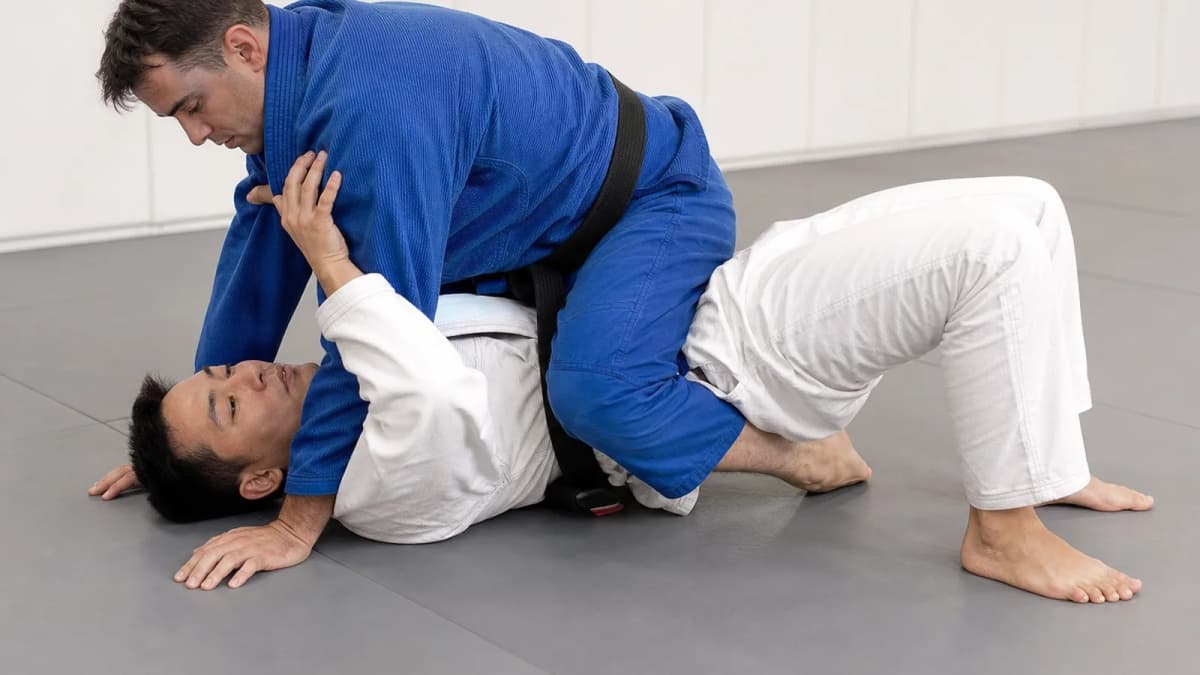
Classic Upa escape from mount — trap arm and leg on one side, bridge, and roll to reclaim guard.
Elevate the opponent with butterfly hooks and lift to top position — core sweep from butterfly and seated guard.
Gi grip drag using the collar to pull the opponent forward and expose the back or sweep.
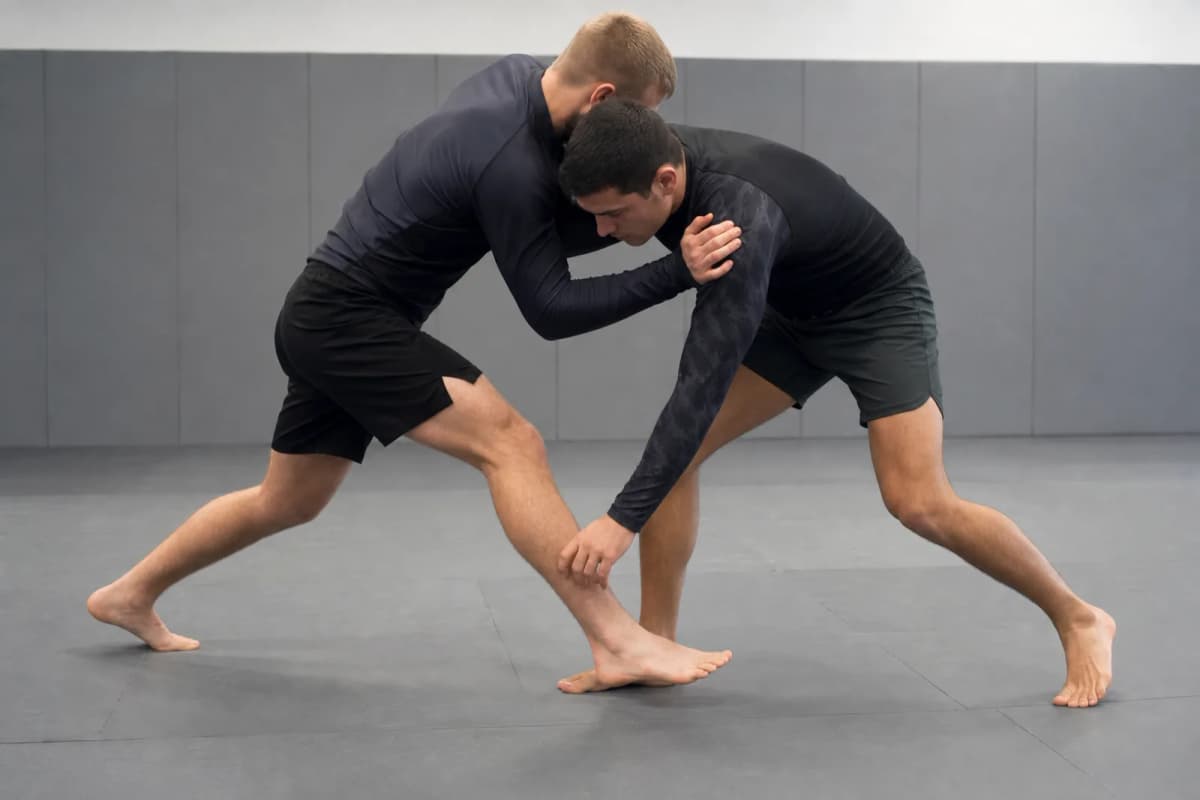
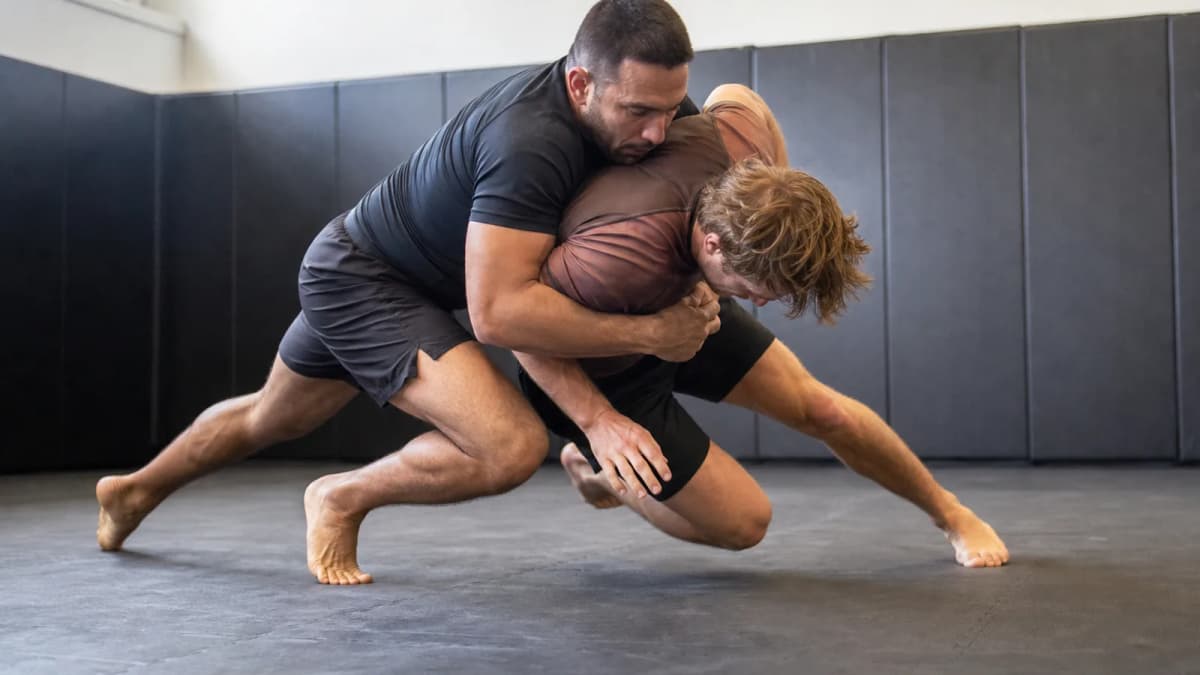
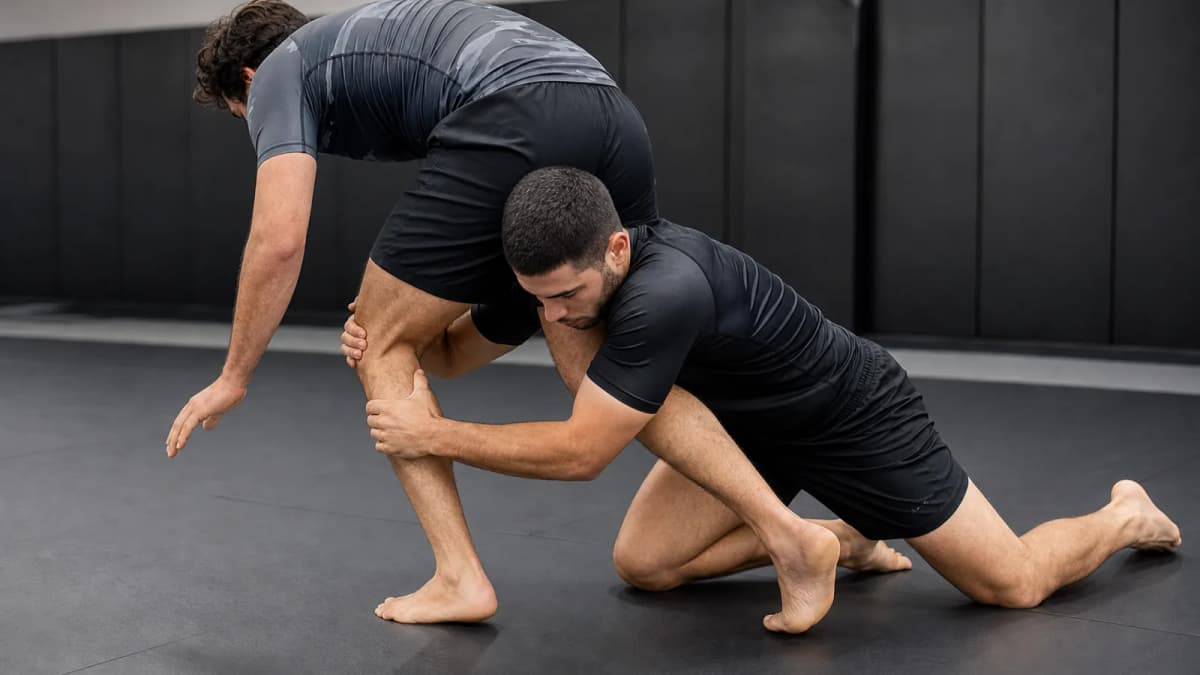
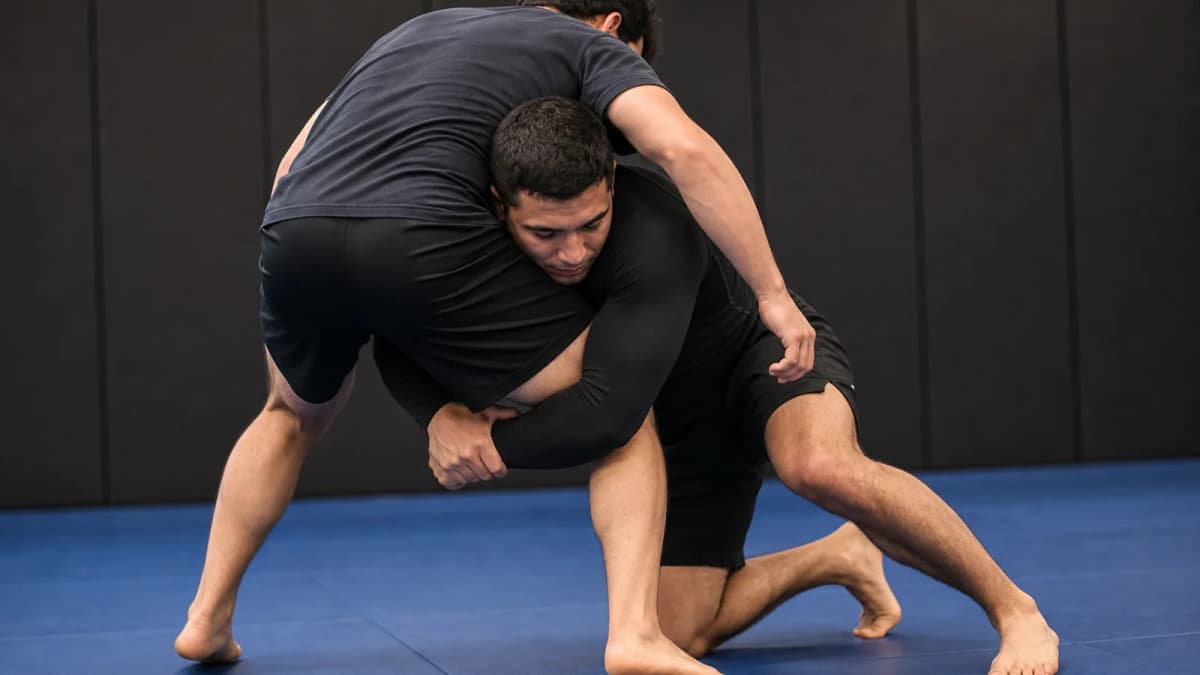
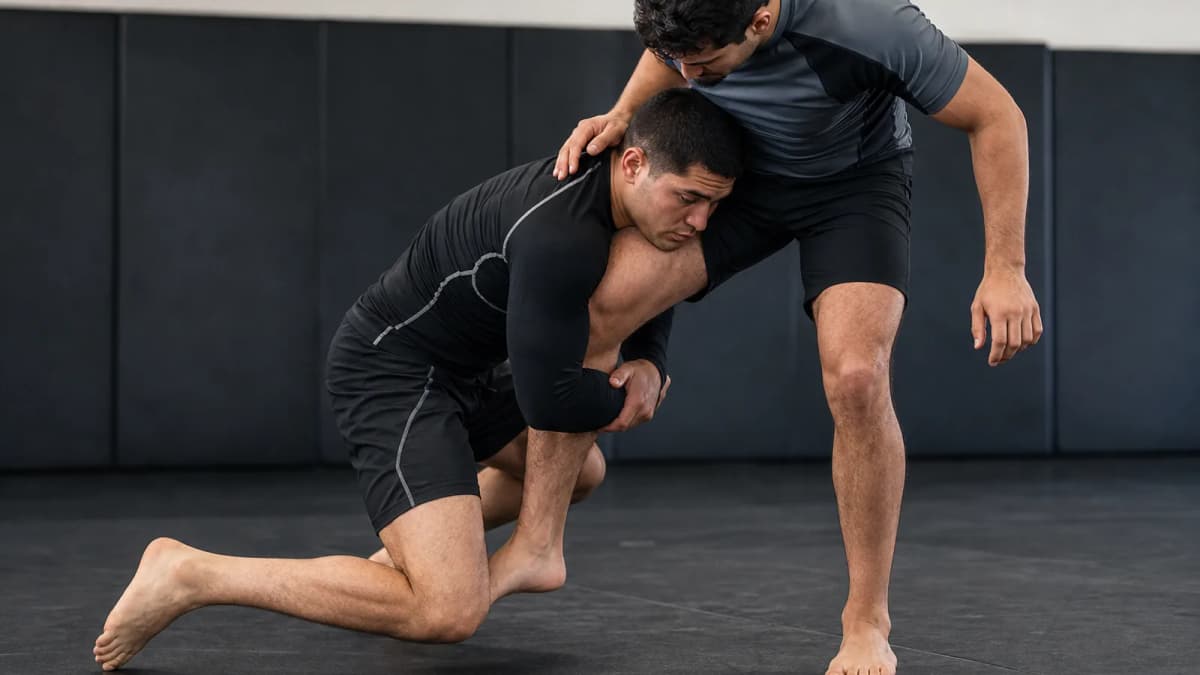
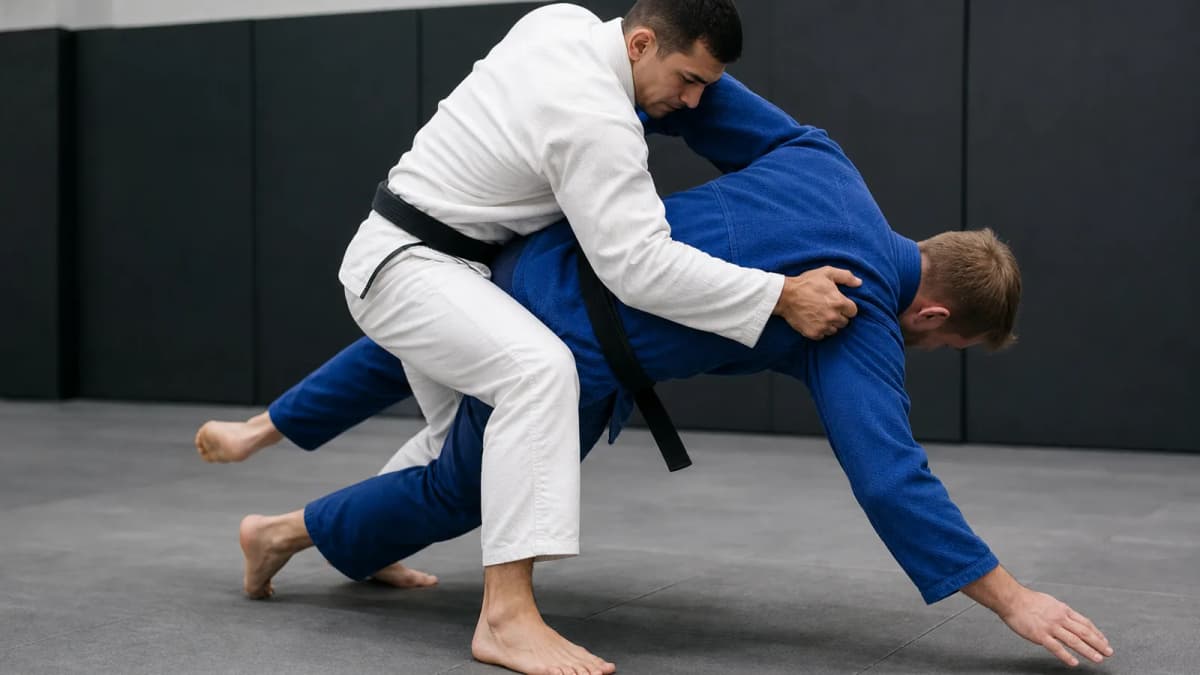
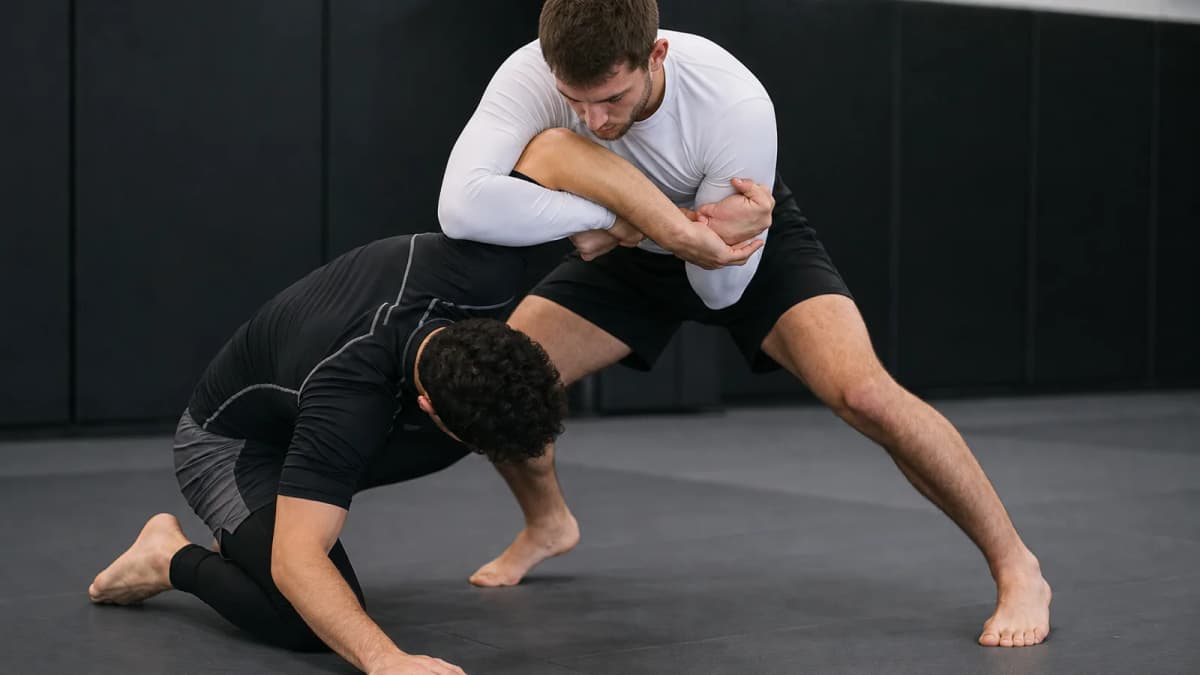
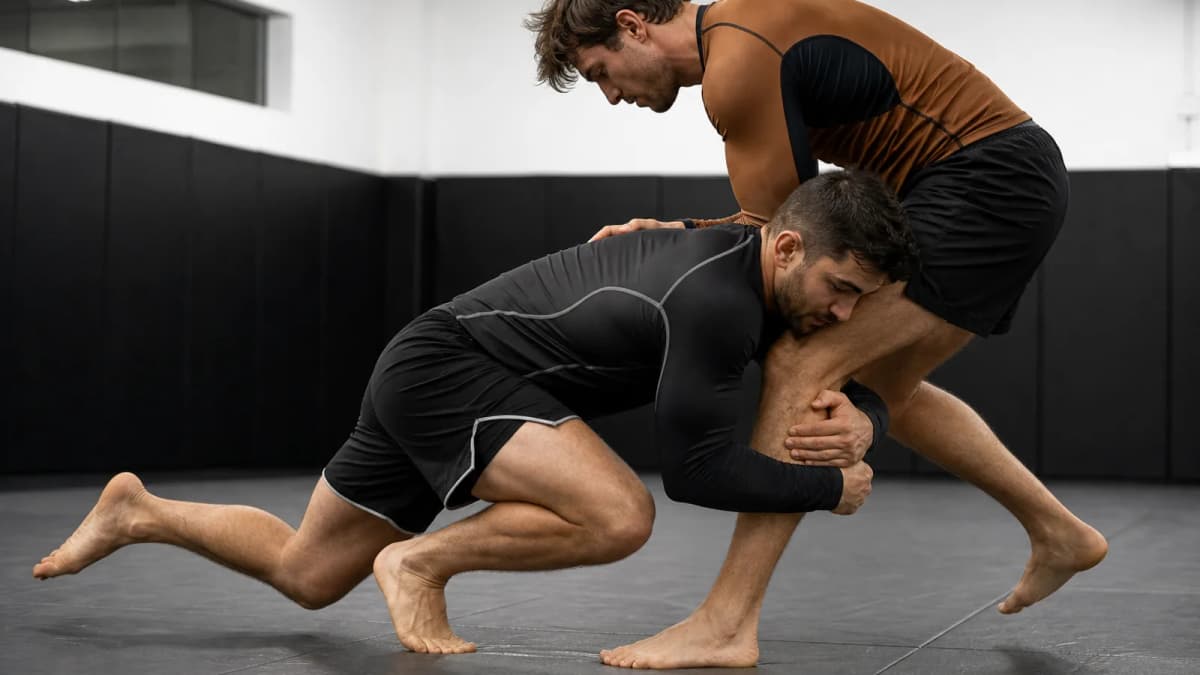
Classic wrestling shot attacking both legs — the most searched takedown entry in BJJ and MMA.
Fundamental mount escape that uses elbow-knee connection and hip movement to recover guard.
Explosive closed-guard sweep that off-balances a posting arm — feeds directly into kimura and mount.
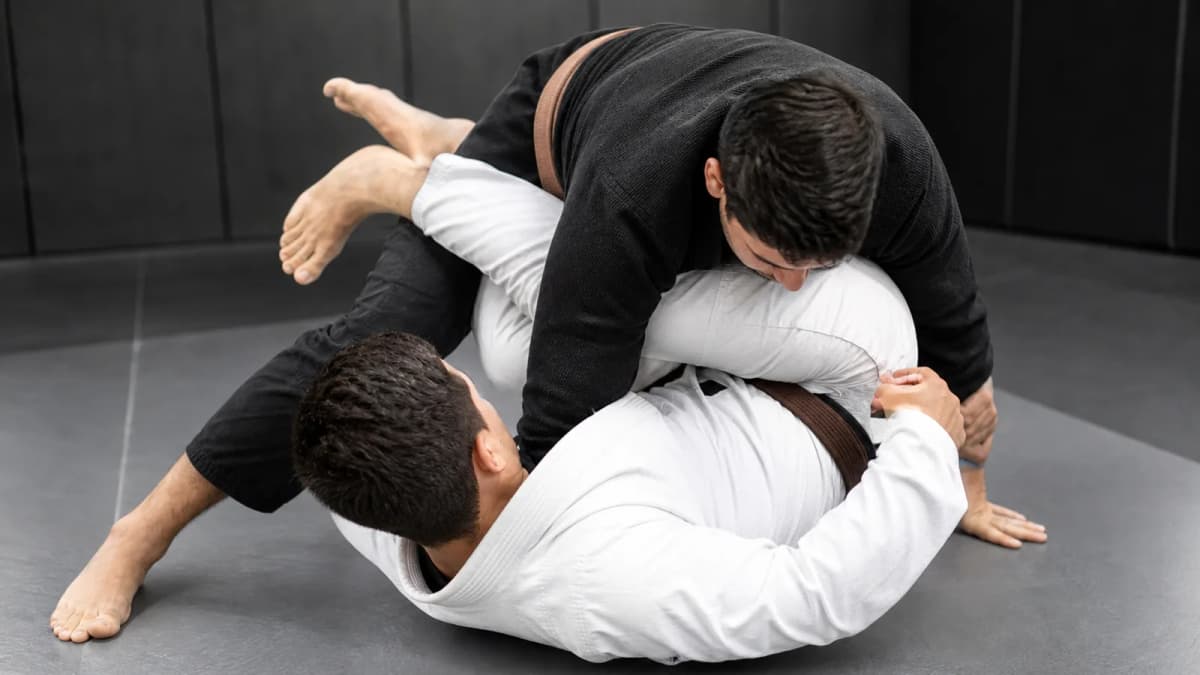
Pressure-based guard pass that slices the knee through the hip line to clear the guard.
Swinging leg momentum sweep from closed guard — creates armbar and triangle follow-ups when the sweep fails.
Classic closed-guard sweep that uses opposing forces to topple a kneeling opponent.
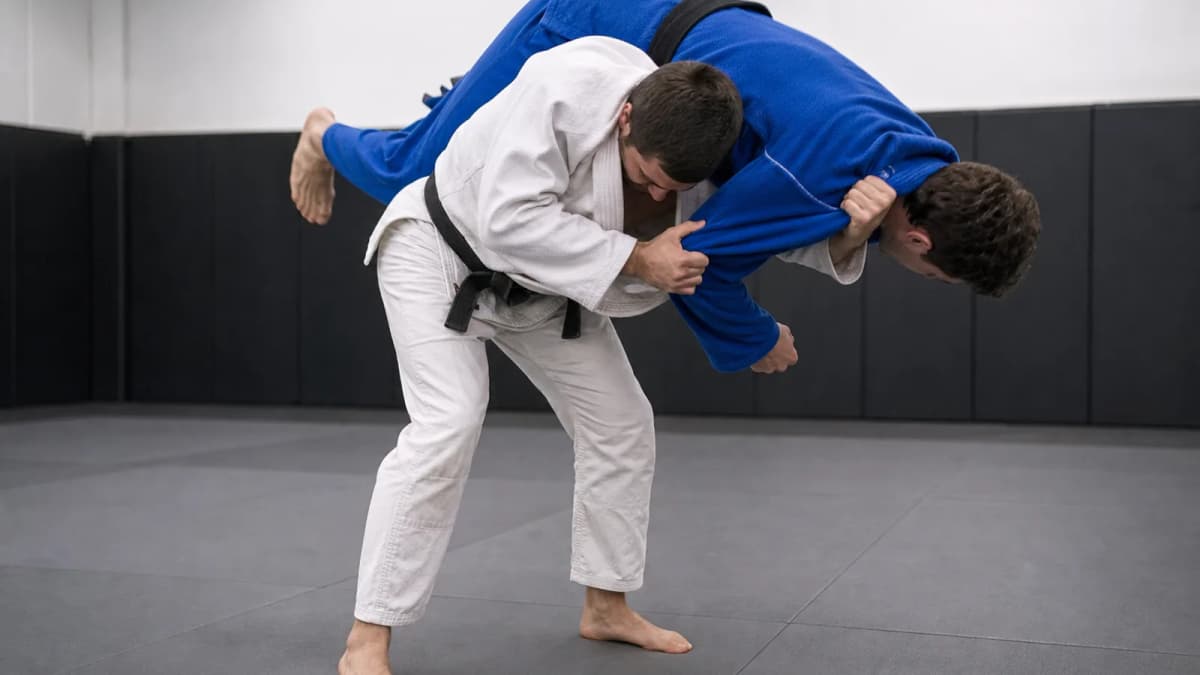
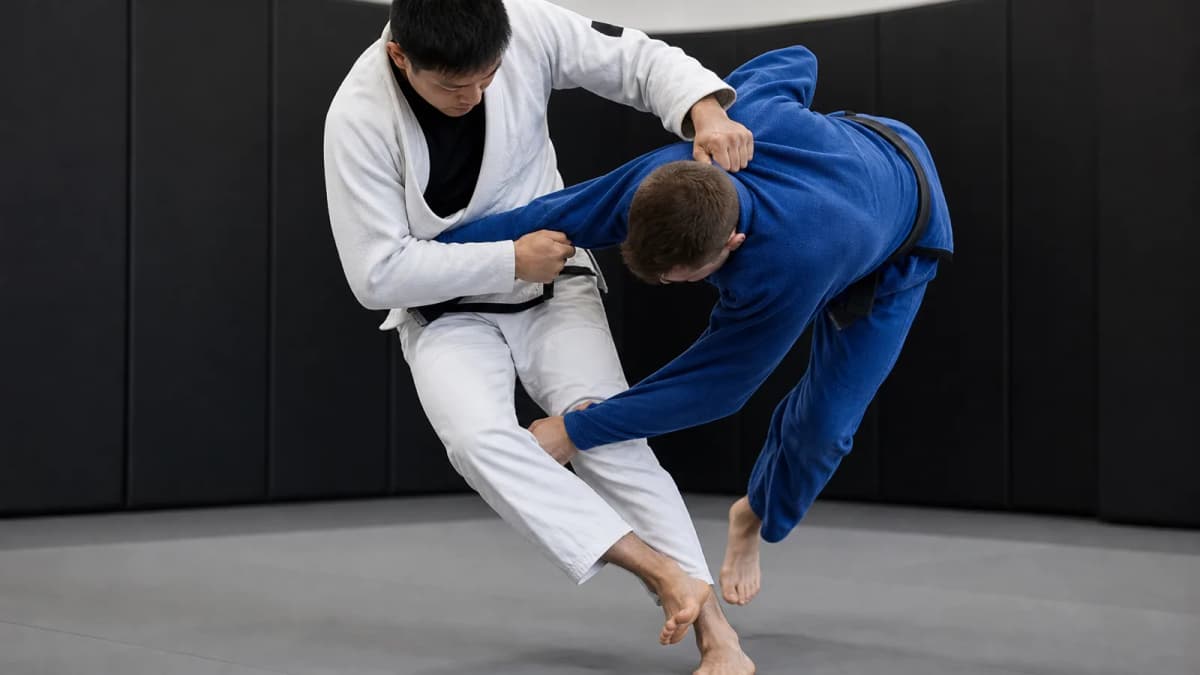
High-percentage takedown that lifts or runs the pipe to finish from standing.
Bullfighter pass using collar or ankle grips to run around the legs — a high-tempo staple in modern passing.
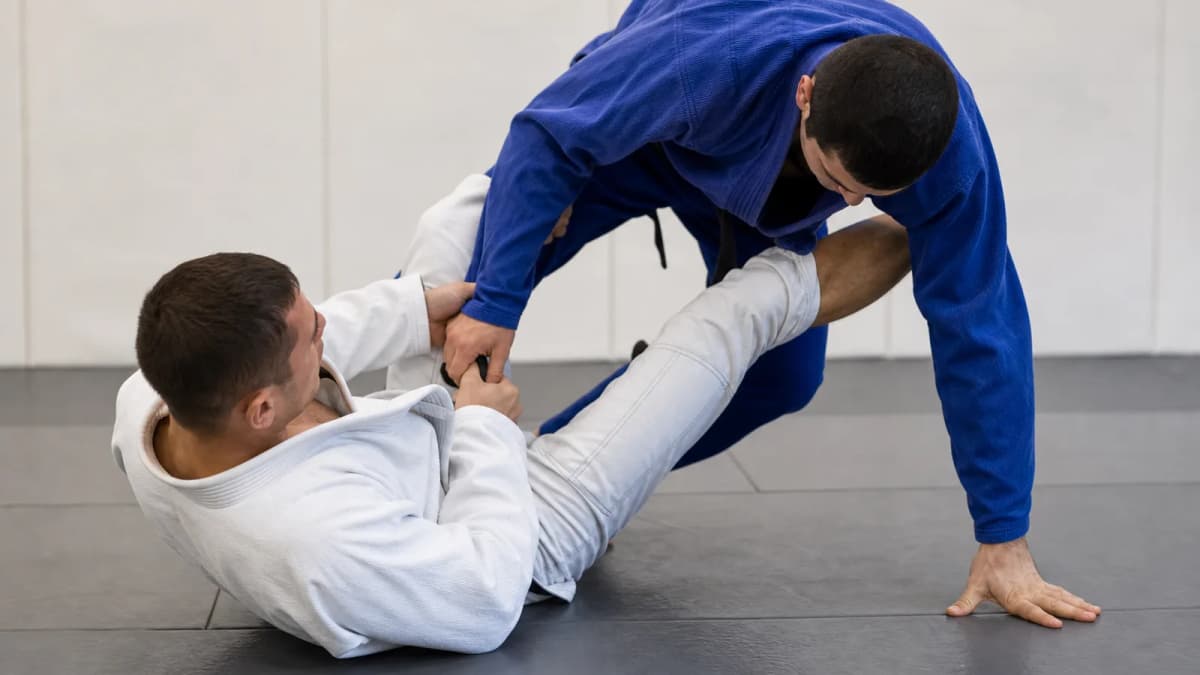
Classic open-guard sweep using collar and sleeve grips with a foot on the hip — high percentage against kneeling passers.
Cross-step pass that drives one leg across the body — a modern favorite against seated and supine open guards.
Understanding how to create and maintain a strong base for stability and balance in all BJJ positions.
Developing breathing techniques and relaxation strategies to improve endurance and decision-making under pressure.
Use skeletal structure instead of muscle — frames create space, protect neck and arms, and enable escapes.
Win the grip battle first — collar, sleeve, and wrist control determine every takedown, pass, and guard attack.
Mastering hip movement for guard retention, transitions, and creating offensive angles.
Understanding leverage to amplify technique efficiency regardless of size or strength.
Building strong posture to prevent attacks, maintain balance, and create offensive opportunities.
Developing timing and rhythm to anticipate reactions and control the pace of a match.