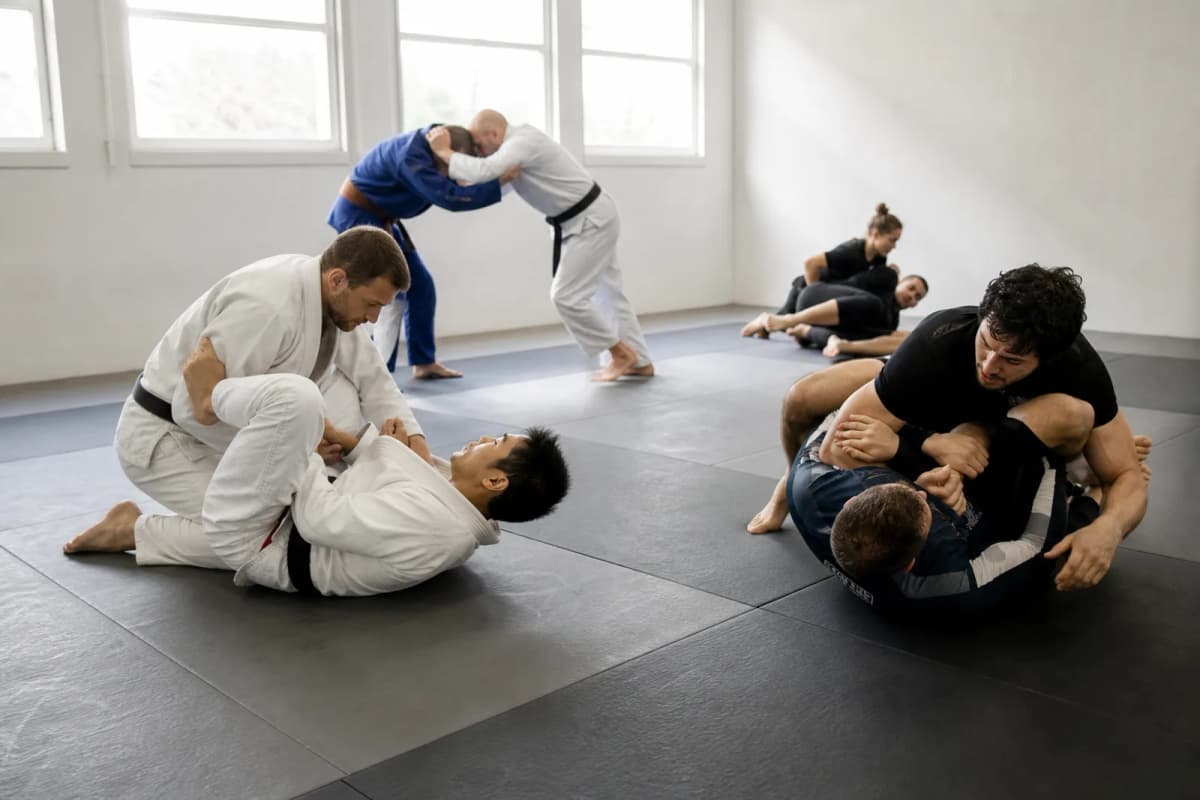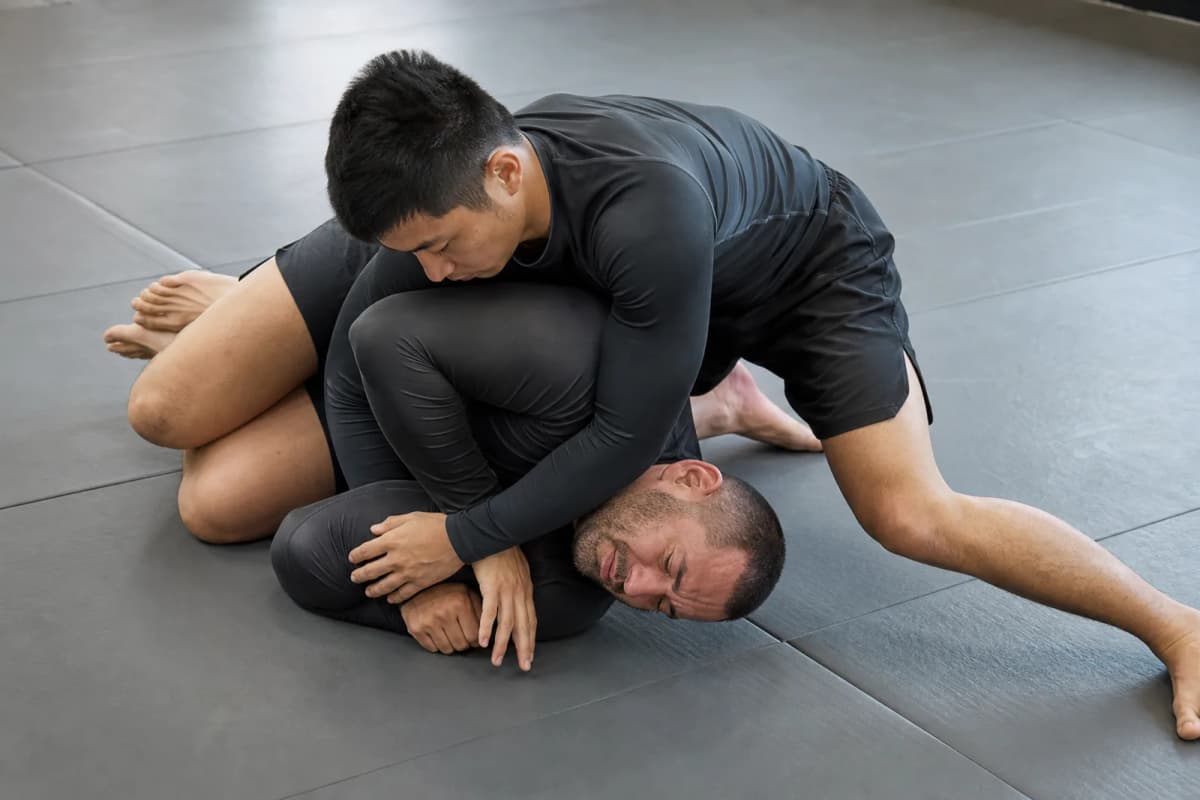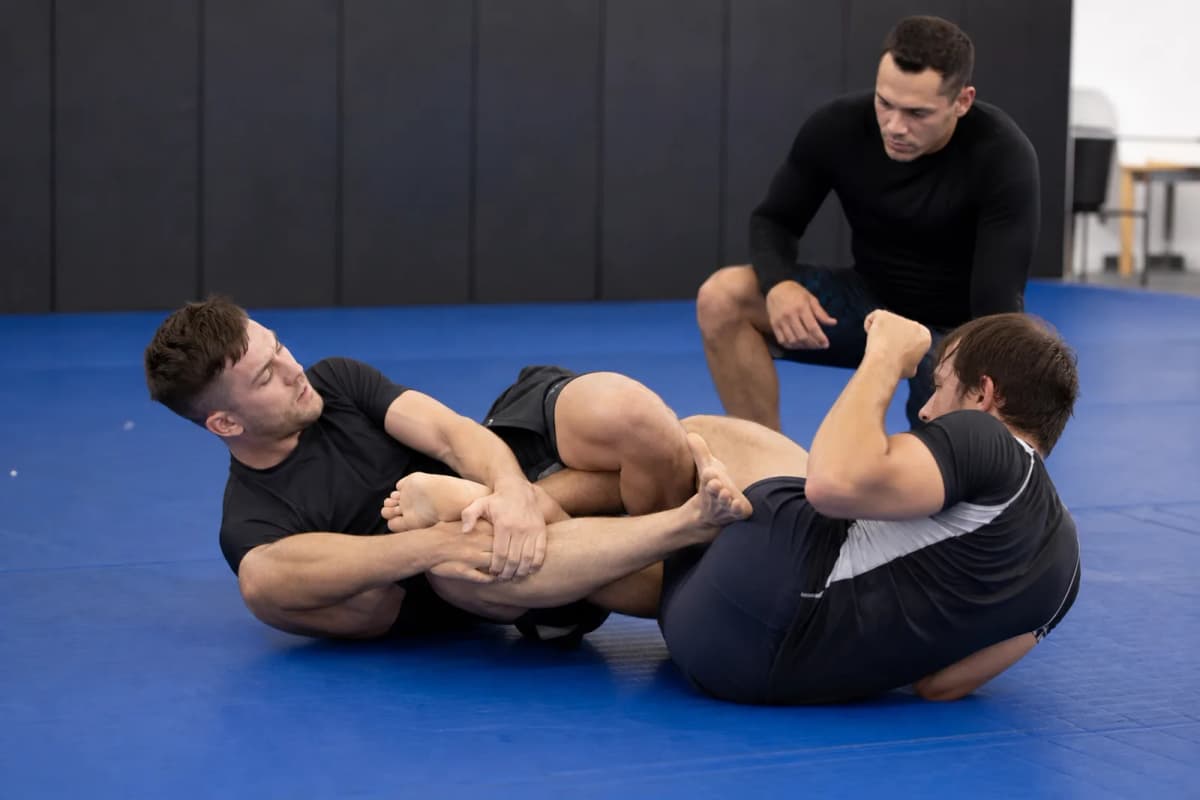
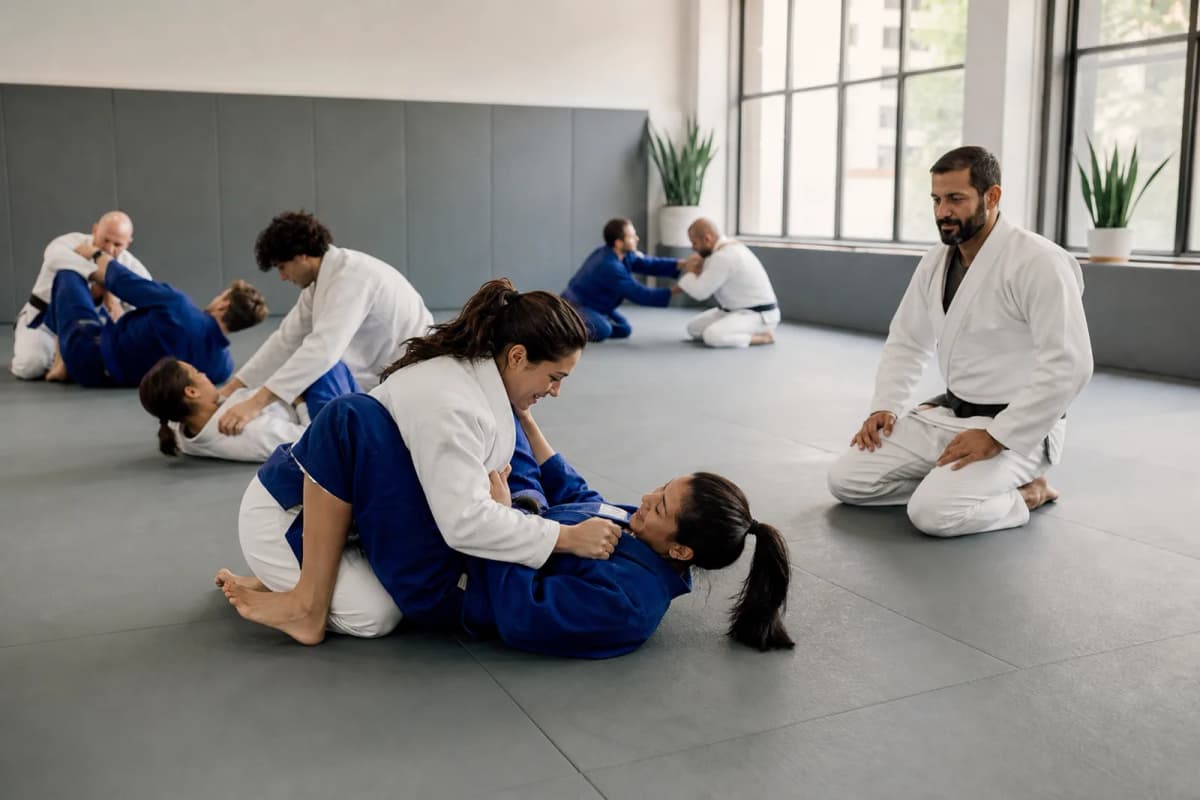
Recover from BJJ injuries by reducing load first, protecting the injured area in class, and returning through drilling before hard sparring.
Not every ache means stop forever — but ignoring sharp joint pain is how small problems become long layoffs.
Muscle fatigue and delayed soreness are common when you are new or increasing volume. Sharp joint pain, swelling, instability, numbness, or pain that worsens for days is different.
When in doubt, get medical advice instead of asking the loudest person in the locker room. Coaches can help manage mat plans, but they are not a substitute for diagnosis.
- Stop the specific movement that aggravates the injury
- Tell your coach before class so they can modify drills and partners
- Lower weekly volume before trying to “earn” recovery with more hard rounds
- Use framing, posture, and breathing to survive rounds without muscling through pain
- Return to drilling first, then controlled positional sparring, then open sparring
Tap early
Injured joints recover slower when you fight submissions for ego. Tap, reset, and keep the round technical.
Choose partners intentionally
Ask technical partners for light rounds while you rebuild. Avoid chaotic scramble partners until stability returns.
Train what you can
If one limb is limited, drill entries, hip movement, and observation rather than disappearing from the gym for weeks without a plan.
Seek prompt medical care for head impacts with concussion symptoms, suspected fractures, locked joints, loss of strength, or pain that wakes you at night. Returning too early is not toughness — it is usually a longer time off later.
Key Takeaways
- Sharp joint pain and instability are not normal beginner soreness.
- Reduce load and protect the area before chasing intensity again.
- Return through drilling and trusted partners before open sparring.
Further Study
Gym culture and tapping habits that reduce injury risk.
How to choose a sustainable training schedule during recovery.
Structural defense that helps you survive rounds without muscling.
Pacing tools that reduce panic tension while rehabbing.