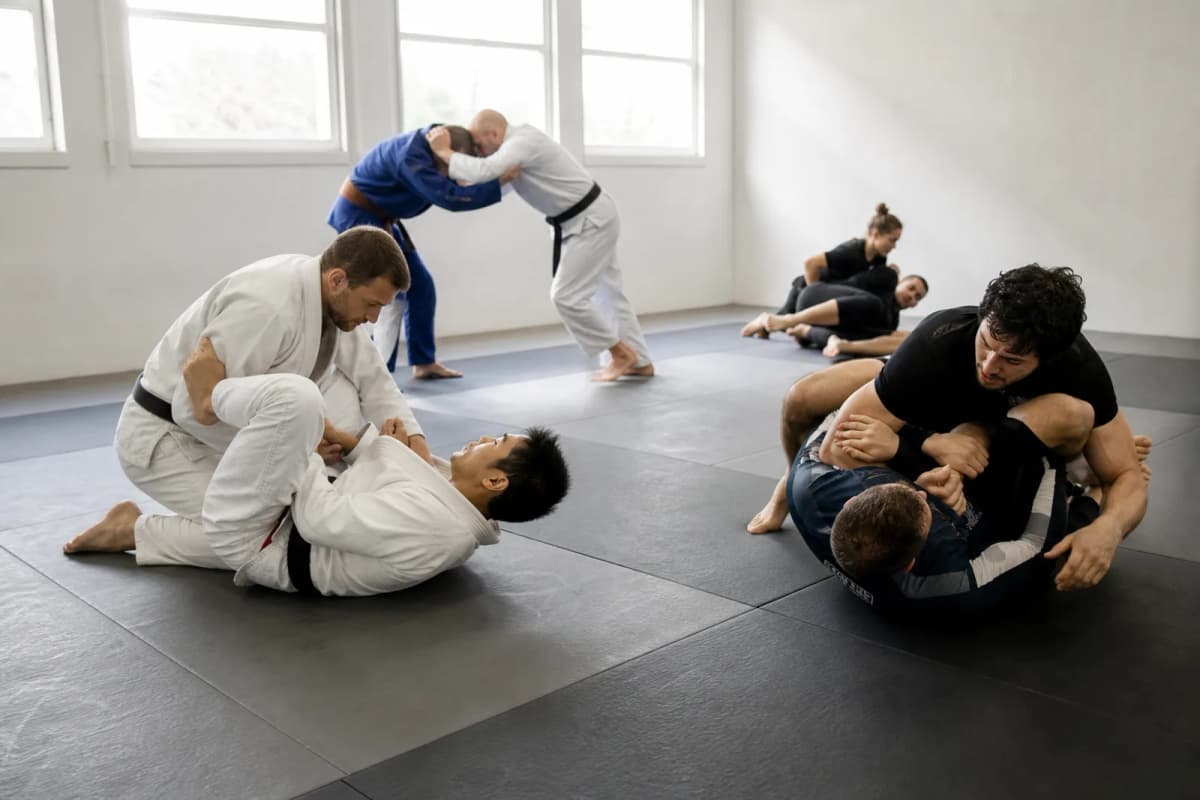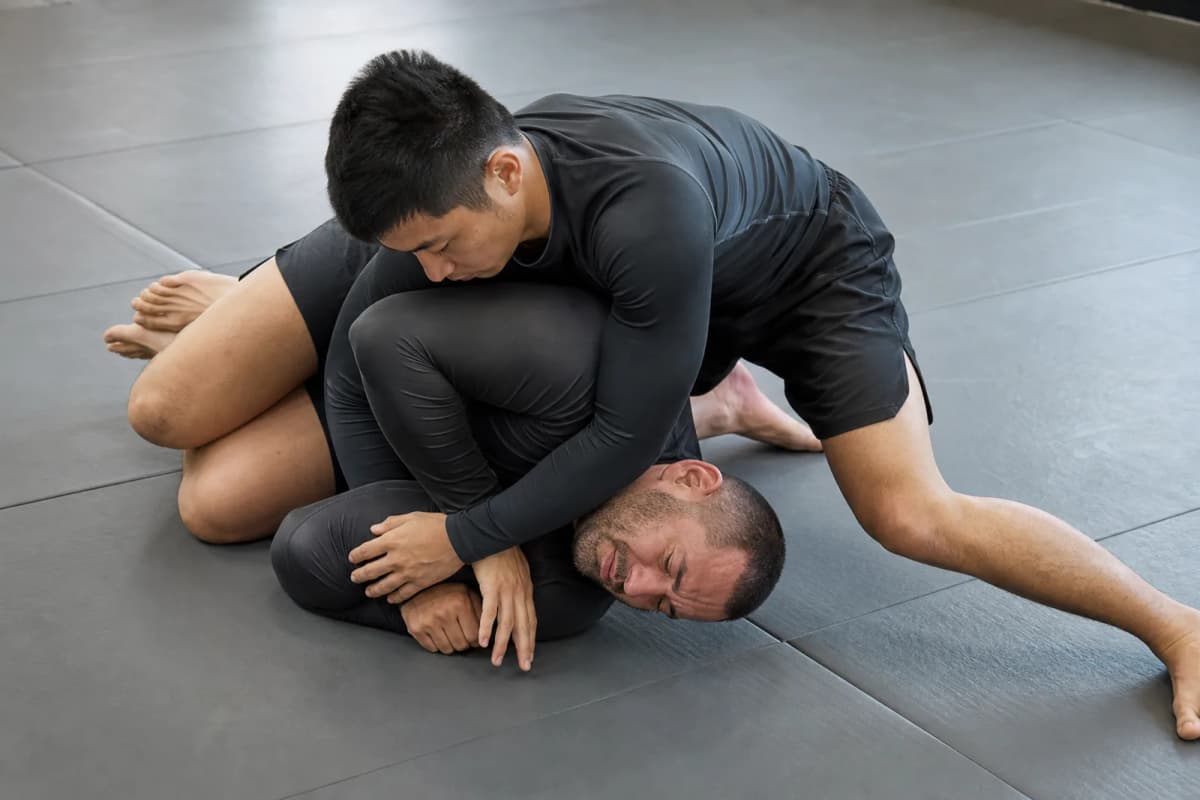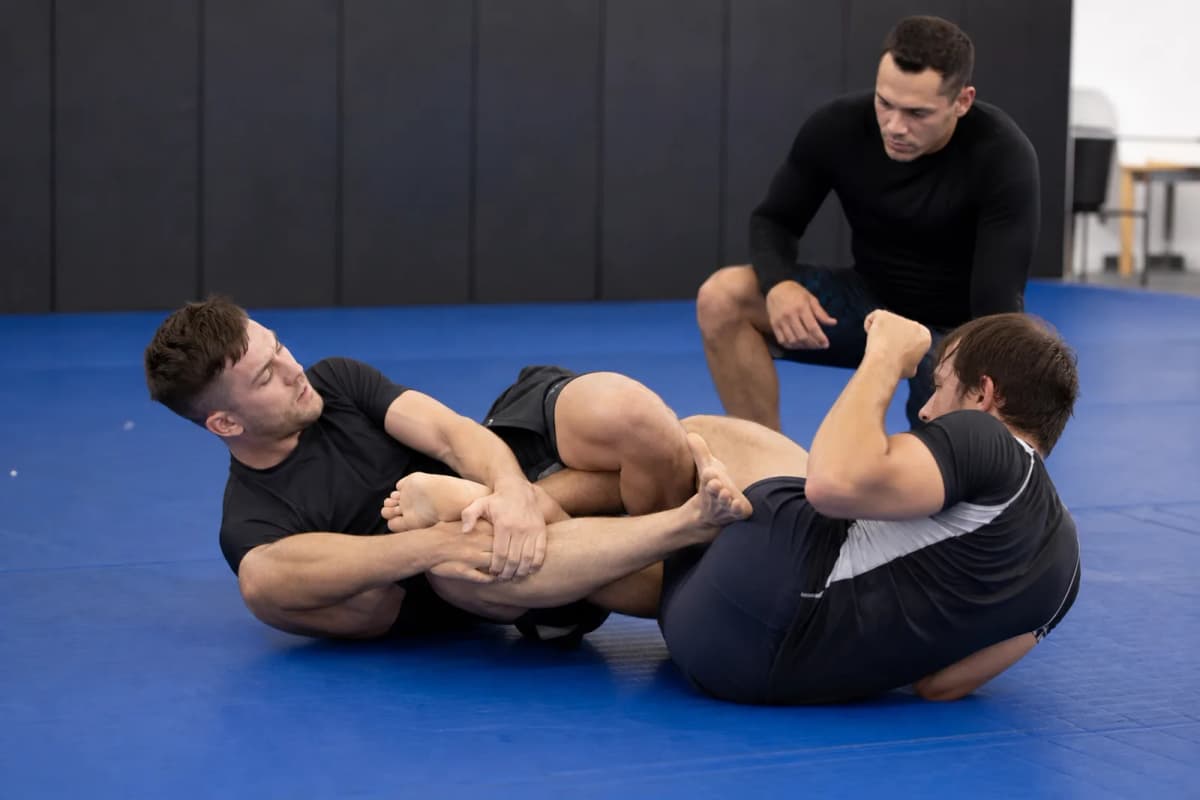

Most adults reach blue belt after about 1.5 to 3 or more years of consistent training.
Blue belt is usually a sign that a beginner has become functional in the major positions, not that they have mastered the art.
A common range is 1.5 to 3 or more years for students who train regularly. Someone attending two classes per week may need longer than someone who trains four times per week, competes, studies, and receives steady coaching.
The timeline also depends on the academy. Some instructors promote once a student can survive, escape, and apply fundamentals responsibly. Others expect sharper competition results or a wider technical vocabulary.
- Consistent attendance over many months
- Reliable escapes from mount, side control, and back control
- Basic guard retention and closed guard offense
- Safe sparring habits and the ability to train with different partners
- Clear understanding of frames, hip movement, posture, and balance
The fastest sustainable path is to build repeatable skills and let the rank follow.
Track fundamentals
Write down the positions where you get stuck most often, then ask your coach for one escape or retention goal to focus on for the next two weeks.
Train through plateaus
Most beginners feel uneven progress. Weeks of frustration often precede big jumps because timing and recognition improve before results are obvious.
Key Takeaways
- A realistic blue belt timeline is often 1.5 to 3 or more years.
- Gym standards vary, so compare your progress to your own academy expectations.
- Escapes, frames, hip movement, and guard basics are better goals than promotion dates.
Further Study
Core movement for guard recovery and escapes.
The structure that keeps pressure from becoming control.
A foundational guard for posture control and beginner offense.
Internal guide to building a reliable guard framework.
Coach-driven promotion norms beyond the blue-belt timeline.