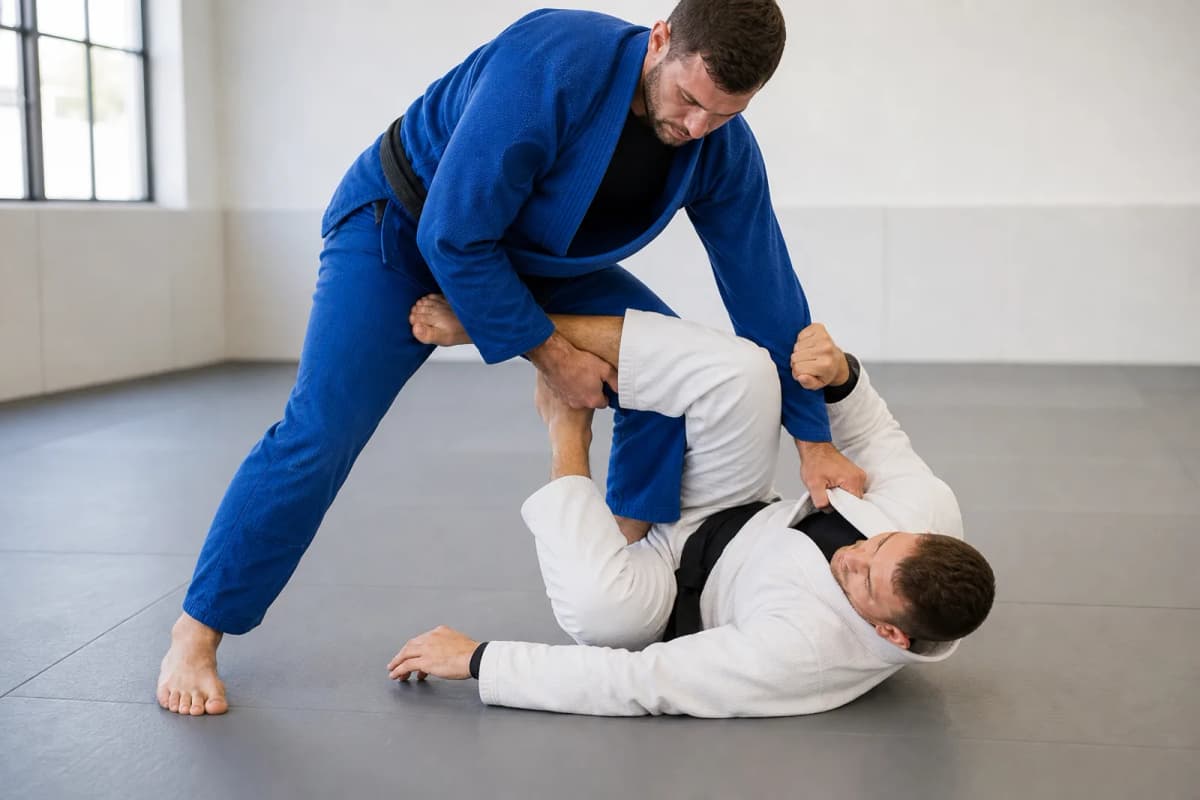
Pass open guard by clearing feet, winning a connection, and choosing one pressure or movement pass family instead of improvising a new path every scramble.
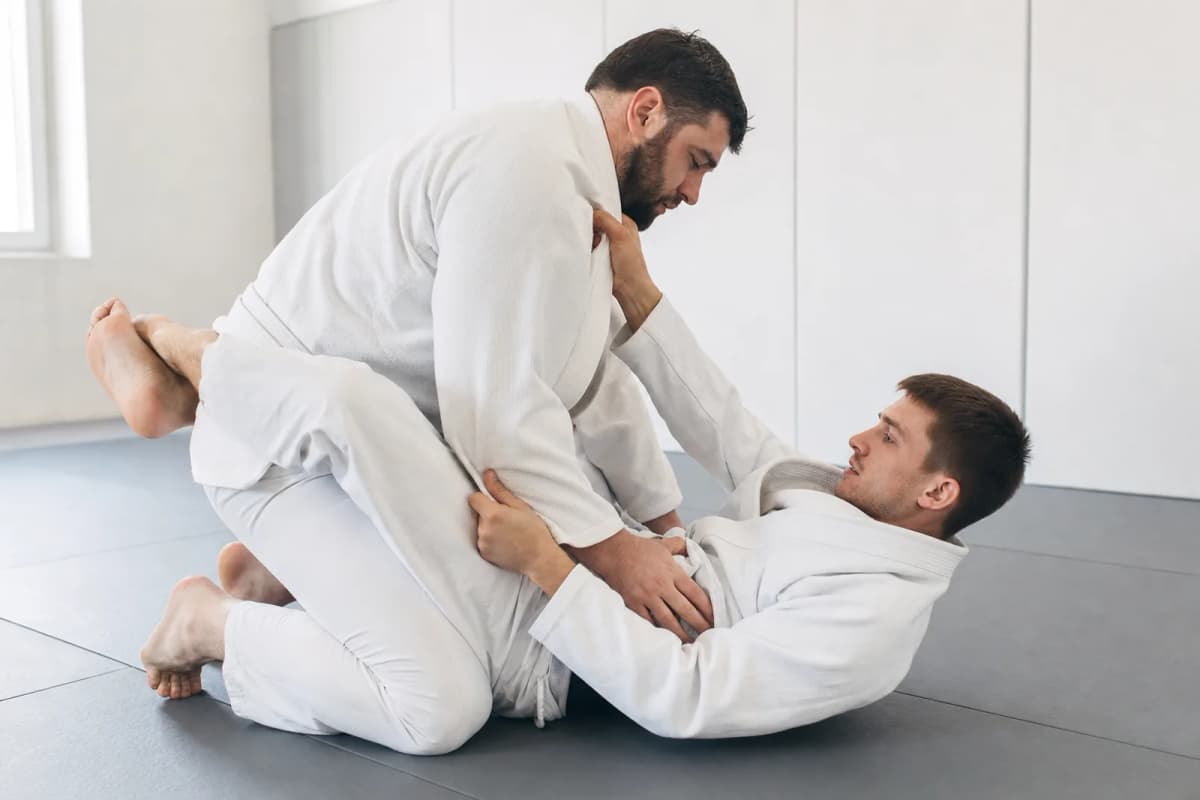
Open guard gives the bottom player distance and hooks. Your job is to remove that distance on your terms and arrive in a pin you can keep.
Beginners often collect ten pass names and still stall at the feet. A roadmap beats a menu: neutralize the feet, choose one pass family, finish in a holdable pin.
If the pass stalls, reset to headquarters or a controlled half-guard top rather than standing still inside their hooks.
- Clear or redirect the feet and win a grip or body connection
- Torreando / bullfighter family when they play light, mobile feet
- Knee cut / knee slide when you can pin a leg and cut an angle
- Body lock or over-under pressure when they sit up and clinch
- Leg drag or double-under when you can control both legs and stack
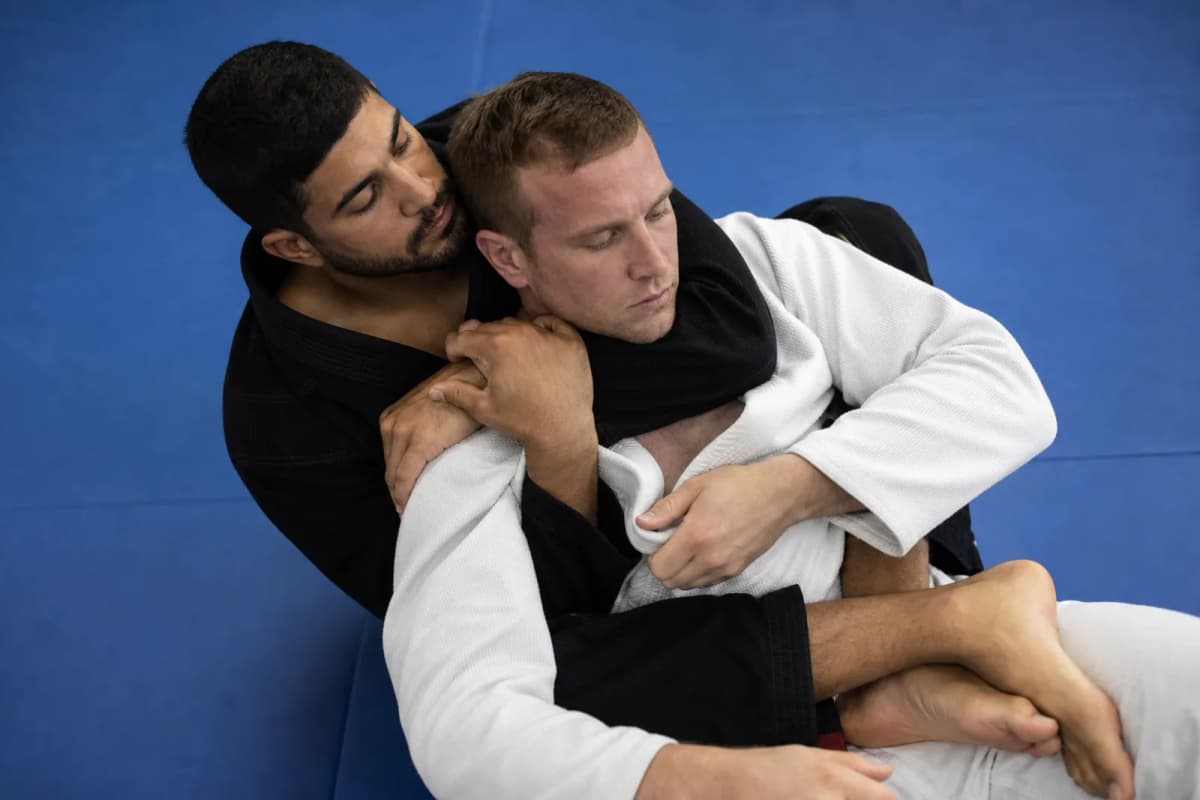
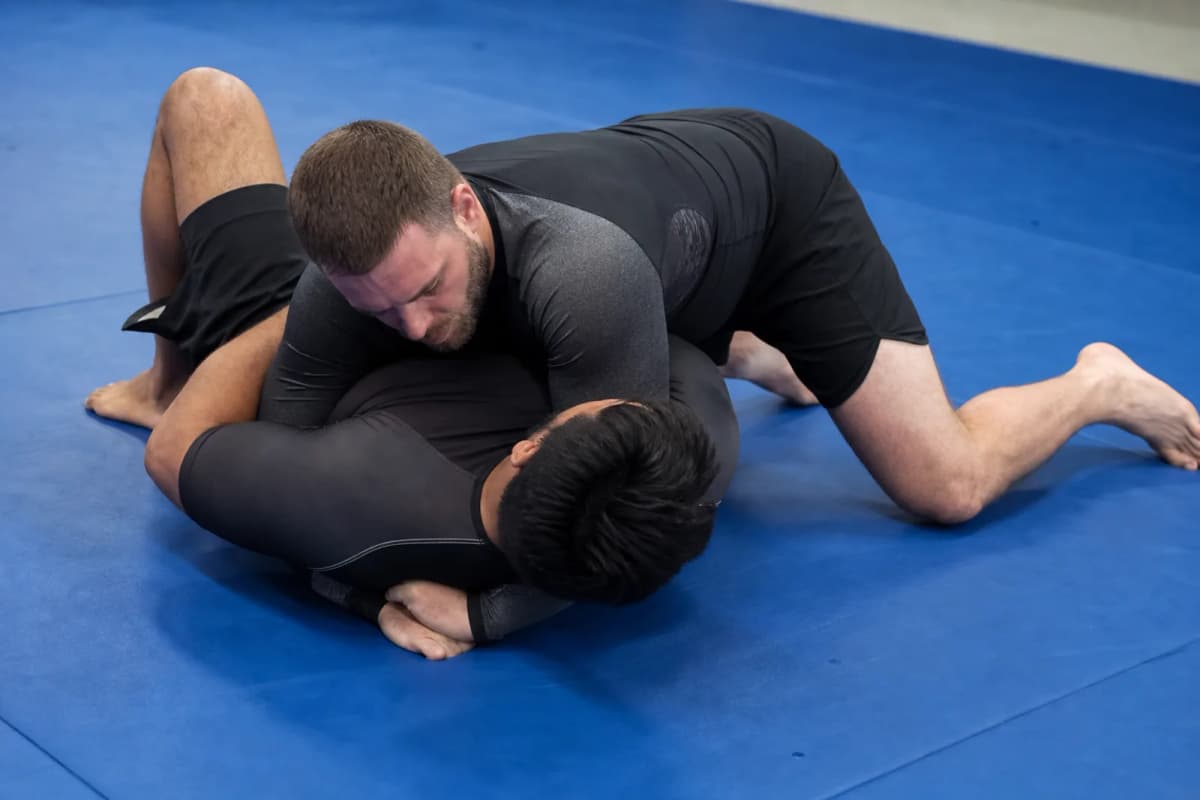
- Hold side control, mount, or knee on belly — the pin completes the pass
A pass is not done when their back touches the mat — it is done when you can hold the next position.
- Neutralize feet and grips first
- Choose torreando/bullfighter or knee cut / body lock based on their posture
- Finish in a pin you can hold
- Reset to headquarters or half-guard control if the pass stalls
- Do not chase a second pass family mid-scramble until the first one is reliable
Standing branch
Use torreando-style movement when their feet are active and you can circle past without getting hooked.
Pressure branch
Use knee cut or body lock when you already have a pin on one leg or a chest-to-chest connection.
Pick one standing pass and one pressure pass for four weeks. Positional rounds should start from open guard with a clear win condition: hold side control for five seconds.
Key Takeaways
- Clear the feet and choose one pass family before improvising.
- A pass ends in a holdable pin, not a scramble touch.
- Headquarters and half-guard top are useful resets, not failures.
Further Study
Bottom-side hub for the guard family you are trying to pass.
Standing pass family for clearing light, mobile feet.
Pressure pass when you can pin a leg and cut the angle.
Clinch-based pass when they sit up into you.
Control reset when the first pass attempt stalls.
Decision criteria for the two primary pass branches.