The knee cut passes through the guard by winning the inside knee line and upper-body control; the torreando passes around the guard by redirecting the legs before the guard player can reconnect.
One pass splits the guard through pressure. The other moves the legs out of the way and circles around them.
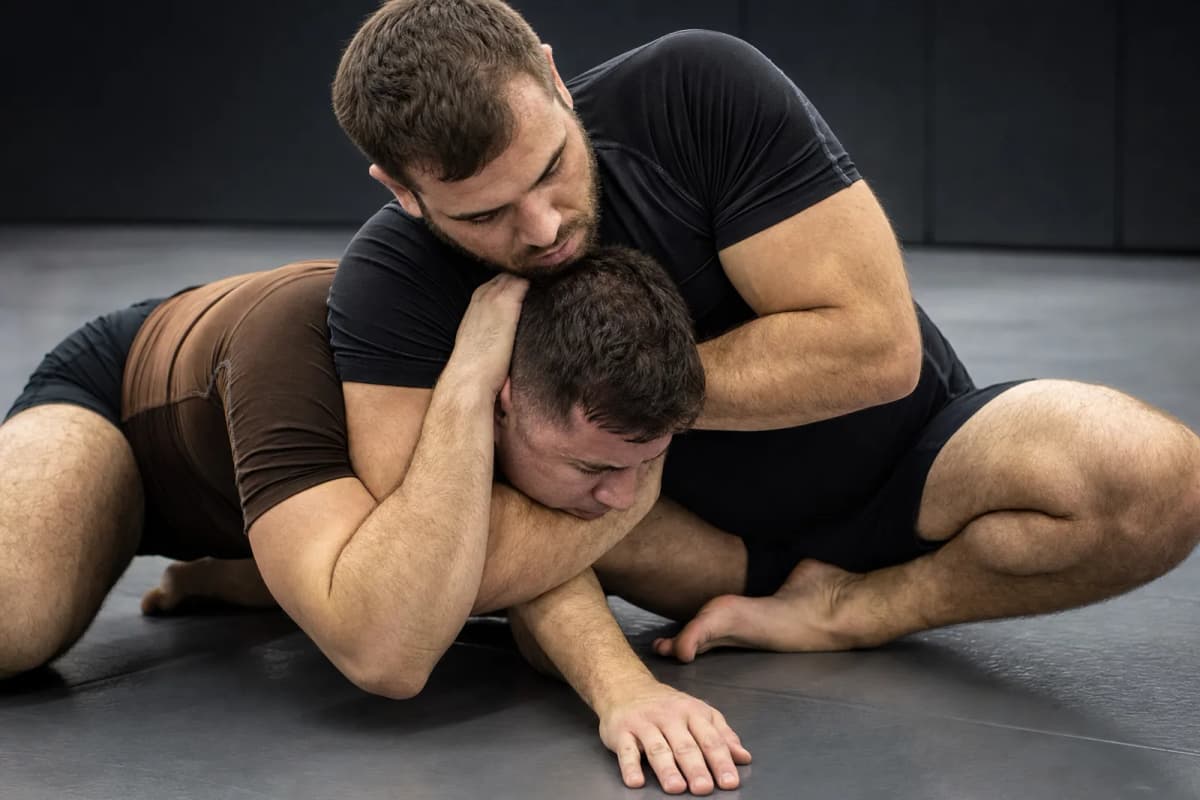
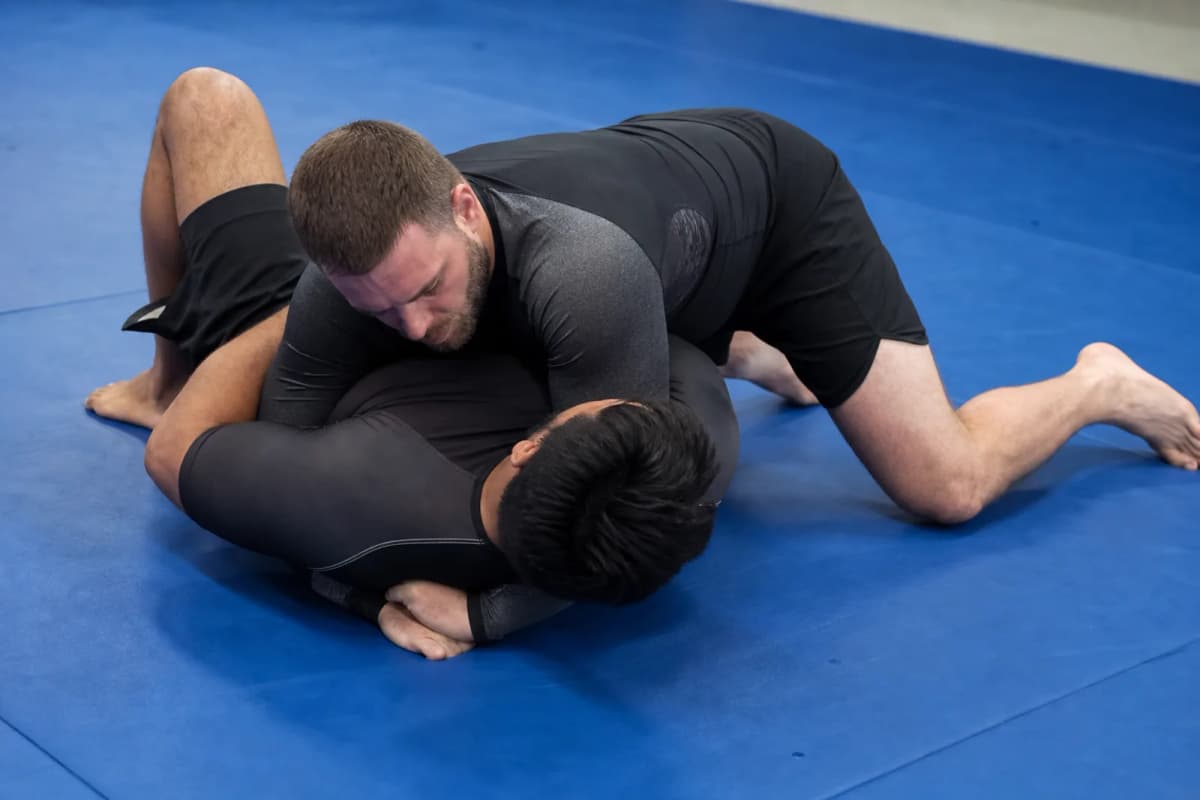
A knee cut, also called a knee slide pass, drives one knee across the opponent thigh line while your grips, underhook, crossface, or head position stop them from turning in. It is a pressure pass with a strong inside-track battle.
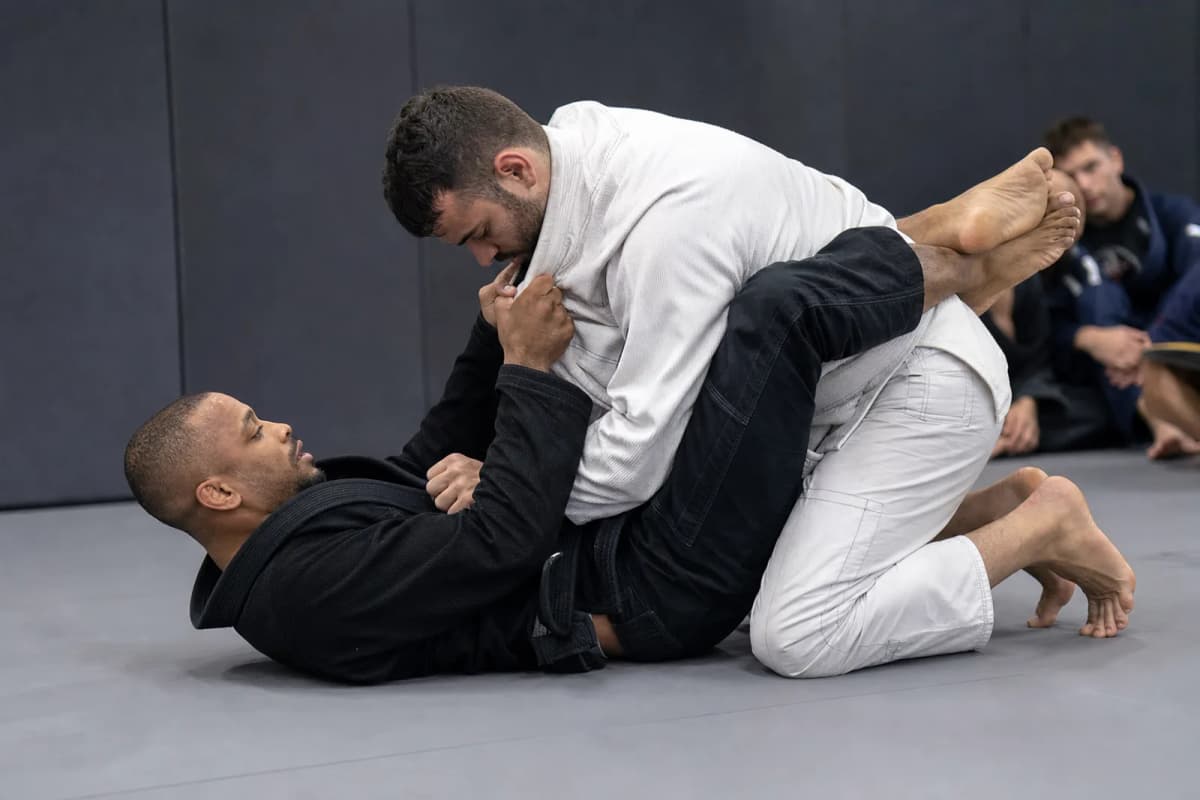
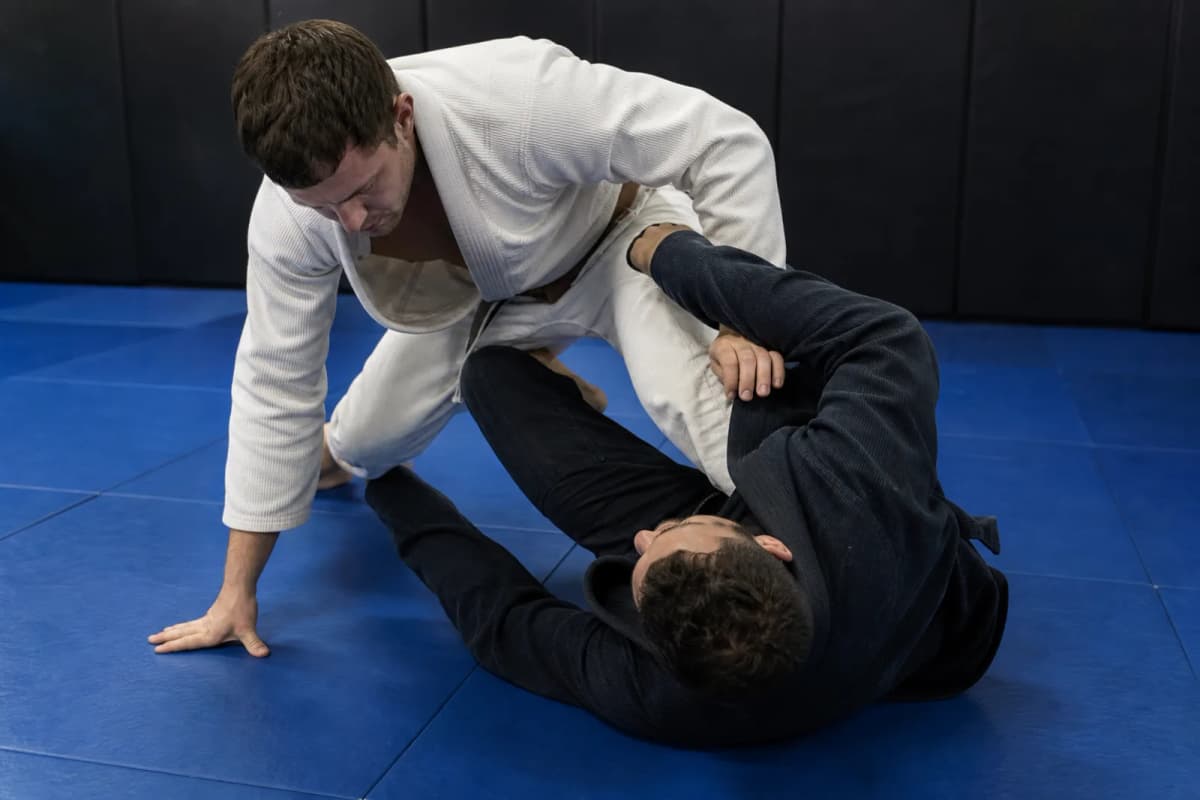
A torreando pass controls or redirects the legs while your feet move around the guard. Instead of stapling the hips first, you make the legs point away from your passing lane and beat the frames with angle and timing.
Knee cut path
Win inside knee position, flatten the shoulders or control the upper body, then slide the knee through without leaving a knee shield.
Torreando path
Move the legs, clear the hips, and circle to side control before the bottom player can square up again.
- Use the knee cut when you are already in headquarters, half guard, or a split-stance passing position
- Use the knee cut when you can beat the knee shield and connect your upper body to the opponent
- Use torreando when the guard player has feet on hips, loose open guard frames, or extended legs you can redirect
- Use torreando to force reactions that expose follow-up passes such as the x-pass or knee cut
- Switch between the two when the guard player alternates between framing at distance and blocking your inside knee line
Knee cuts fail when the upper body is loose. Torreandos fail when the legs move but the passer does not.
In the knee cut, the common mistake is sliding the knee before winning the shoulder and hip battle. If the bottom player keeps an underhook, knee shield, or strong hip angle, the pass can stall into half guard.
In the torreando, the common mistake is pushing the legs without moving your own feet. The pass works because the legs are redirected and your body circles into the open lane immediately.
Do not leave the knee behind
A knee cut needs the shin and hip line to clear together. If your knee stalls, the bottom player can recover half guard.
Do not reach over frames
A torreando should beat frames with angle. Reaching forward often gives the guard player sleeves, hooks, or an easy re-guard.
Key Takeaways
- The knee cut is a pressure pass that wins through the inside lane and upper-body control.
- The torreando is an outside pass that wins by moving the legs and circling before guard recovery.
- Strong passing chains often use torreando movement to open knee-cut pressure, and knee-cut pressure to force outside movement.
Further Study
The pressure-passing lane behind the knee cut comparison.
The outside passing pattern based on leg redirection and angle changes.
A common position where knee-cut pressure appears and can also get trapped.
A seated guard that challenges both pressure passing and outside passing footwork.
A related outside pass that pairs naturally with torreando reactions.