IBJJF marks illegal submissions by age column (4–12, 13–15, juvenile 16–17), not by adult white-belt legality, and applying a hold marked illegal for that column is a severe foul under Article 6.
The official IBJJF Rule Book publishes one Illegal Moves table with separate columns for kids, teens, juveniles, and adult belt groups.
Under Article 6, applying a hold prohibited for your division is a severe foul. The Rule Book’s “TABLE: Technical Fouls – Illegal Moves” (and matching Technical Fouls & Illegal Moves poster) marks prohibited techniques by age and belt. A red mark means illegal for that column.
IBJJF age divisions use birth year, not the exact birthday on competition day. Kids and juveniles register only in the birth-year division shown on the event page. Juveniles may move up one juvenile age band when alone on Registration Checkday if a legal guardian requests it, but they cannot move into Adult.
This article summarizes the kids and juvenile columns from IBJJF Rule Book v6.0 / v6.1 materials published on ibjjf.com. It is not a reprint of every footnote. Event organizers and gyms can still add stricter limits.
Younger kids lose almost every submission that stresses joints, the neck, or the spine beyond the safest core attacks.
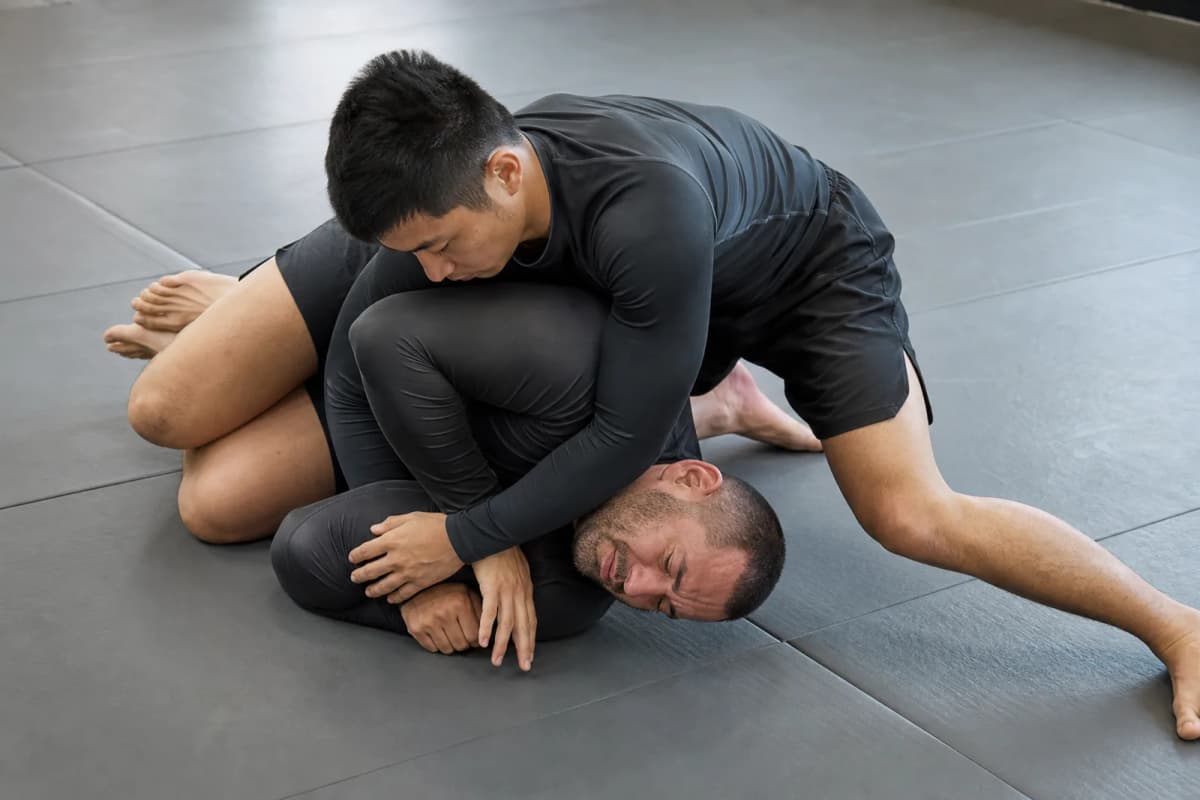
In the 4–12 column, IBJJF marks as illegal: submission techniques that stretch the legs apart; chokes with spinal lock; straight foot locks; sleeve Ezekiel chokes; frontal guillotine chokes; omoplatas; triangles that pull the head; arm triangles; closed-guard locks that compress the kidneys or ribs; wrist locks; single-leg takedowns with the attacker’s head outside the opponent’s body; bicep slicers; calf slicers; knee bars; toe holds; twisting a straight foot lock toward the free foot; heel hooks; knee-twisting locks; knee reaping; outward-pressure toe holds; slams; spinal locks without a choke; scissor takedowns; bending fingers backward; belt throws that dump a single-leg attacker onto the head; and suplexes that land the opponent’s head or neck on the mat.
Practically, kids competition finishing should stay on clear armbars, collar chokes without spinal cranking, and other holds your coach has cleared for that age — never assume an adult white-belt legal attack is allowed.
Most 4–12 bans remain. The main table change is that leg-stretch submissions are no longer marked illegal in this column.
The 13–15 column still marks straight foot locks, Ezekiel chokes, frontal guillotines, omoplatas, head-pulling triangles, arm triangles, wrist locks, compression locks, knee bars, toe holds, heel hooks, spinal locks without choke, slams, and the other severe fouls listed above.
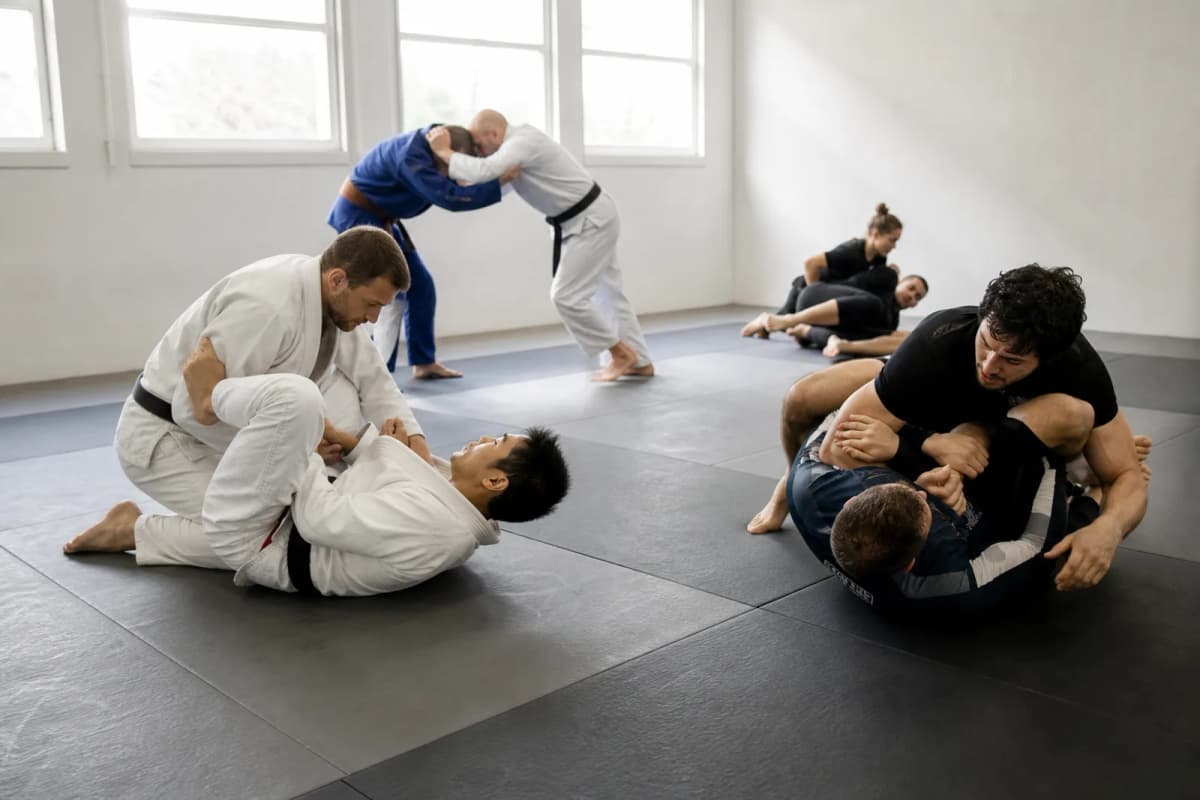
IBJJF also forbids jumping closed guard on a standing opponent in under-15 divisions for all belts (and in every white-belt age group), including flying triangles and flying armbars. The referee restarts both athletes standing.
Juveniles share the third Illegal Moves column with adult-to-master white belts.
- Straight foot lock is no longer marked illegal in this column — a major change from ages 4–15
- Omoplata, frontal guillotine, Ezekiel, arm triangle, and standard triangle entries become available when applied legally
- Wrist locks, kidney/rib compression locks from closed guard, bicep/calf slicers, knee bars, and toe holds remain illegal
- Heel hooks, knee reaping, and knee-twisting locks stay illegal outside adult brown/black no-gi
- Slams, spinal locks without choke, scissor takedowns, and finger bends remain illegal in every division
Use these Open BJJ pages to study mechanics safely while respecting age-band bans.
Straight ankle lock
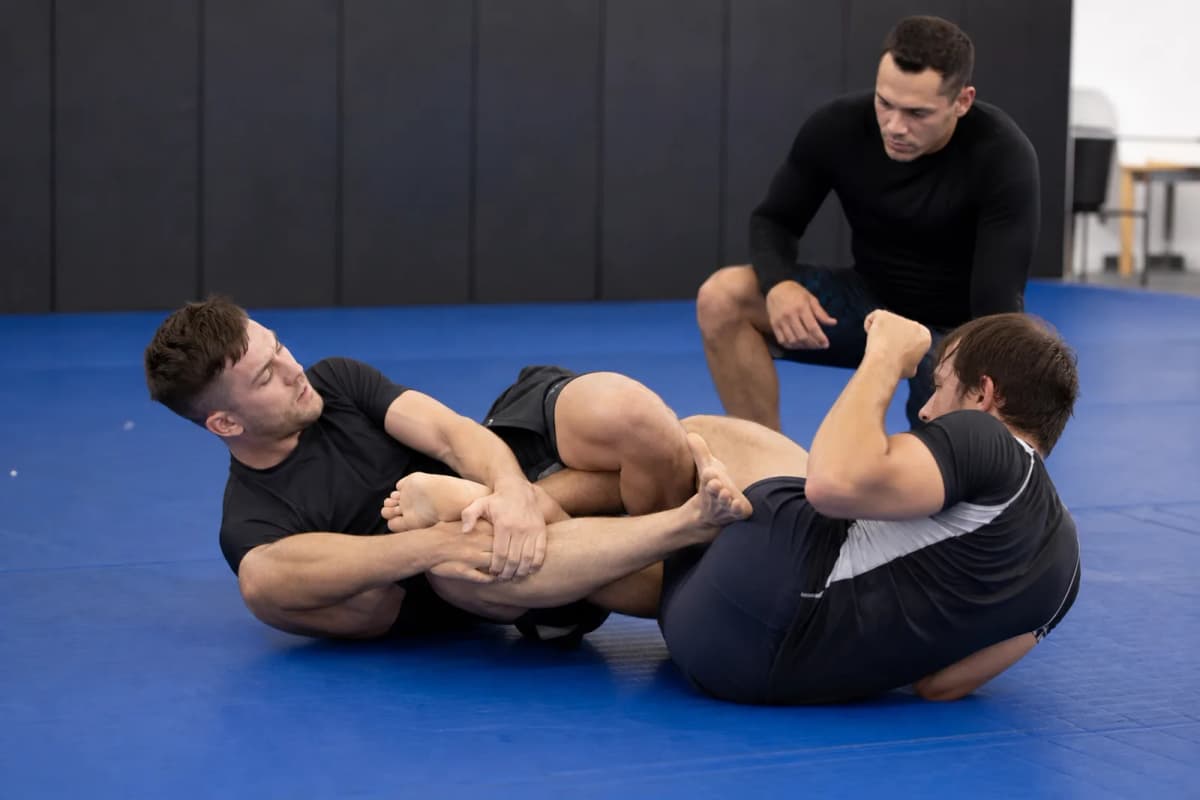
IBJJF calls this the straight foot lock. Illegal for ages 4–15; available in the juvenile / adult white-belt column. Open BJJ lists it legal for adults at all belts — that adult enum does not override kids columns.
Omoplata and frontal guillotine
Both appear in the under-16 ban list. Coaches often teach the positions for control long before the competition finish is legal.
Wrist lock, toe hold, heel hook, calf slicer
These stay illegal for juveniles and adult white belts. See the white-belt illegal-submissions checklist and the white-belt heel-hook FAQ for the adult column — a 15-year-old is not in that column.
Official ADCC Championship rules (adcombat.com/adcc-rules-regulations) are an adult catalog, not a kids/juvenile illegal-moves table the way IBJJF’s Rule Book is. Youth or academy ADCC-style events usually publish their own age rules — do not import adult ADCC heel-hook legality into a kids IBJJF bracket.
Many academies ban extra techniques in kids classes even when IBJJF would allow them later. Competition preparation should start from the coach’s room rules, then match the specific championship rulebook and Illegal Moves poster.
Key Takeaways
- IBJJF kids legality is age-column based: 4–12, 13–15, and juvenile 16–17 are not the same as adult white belt.
- Straight foot locks, omoplatas, frontal guillotines, Ezekiels, arm triangles, and head-pulling triangles are illegal under 16.
- Juveniles share the adult white-belt illegal-moves column — wrist locks and advanced leg attacks remain banned.
- Confirm the current IBJJF Rule Book / Illegal Moves poster and your gym’s house rules before competing.
Further Study
Official IBJJF Rule Book and Technical Fouls & Illegal Moves downloads.
Birth-year age divisions, kids/juvenile registration, and Checkday move-up rules.
Official adult ADCC rules — do not import this catalog into kids IBJJF brackets.
Adult white-belt checklist that matches the juvenile illegal-moves column.
Adult white-belt heel-hook FAQ — not the 13–15 column a 15-year-old competes in.
Adult belt split for the knee bar — kids and juvenile columns stay stricter.
The straight foot lock — illegal for ages 4–15, common first legal leg attack later.
Marked illegal in IBJJF kids, juvenile, and through adult purple.
Marked illegal in IBJJF under age 16.
Adult ruleset contrast — do not assume ADCC youth rules match IBJJF kids columns.