White belts in IBJJF-style competition should avoid heel hooks, toe holds, wrist locks, brown/black-only compression locks, and illegal neck or spinal cranks.
This page summarizes the IBJJF Technical Fouls & Illegal Moves table for adult white-belt planning — not a full rulebook reprint.
The official table is published with the IBJJF Rule Book on the Books and Videos page. For adult white belts (the same column as juveniles 16–17), treat marked techniques as off-limits unless your event rules clearly allow them.
Always confirm age division, gi vs no-gi format, and the organizer rule sheet before competing. Event rules override any website summary.
These are the highest-intent examples from the IBJJF Illegal Moves table’s juvenile / adult white-belt column.
- Heel hook — marked illegal (legal later only for adult brown/black no-gi)
- Toe hold — marked illegal through purple
- Wrist lock — marked illegal at white belt; allowed from adult blue up
- Knee bar — marked illegal through purple
- Calf slicer — marked illegal through purple
- Bicep slicer — marked illegal through purple
- Can opener / spinal lock without a choke — marked illegal in every division
- Twister — same spinal-lock ban in every division
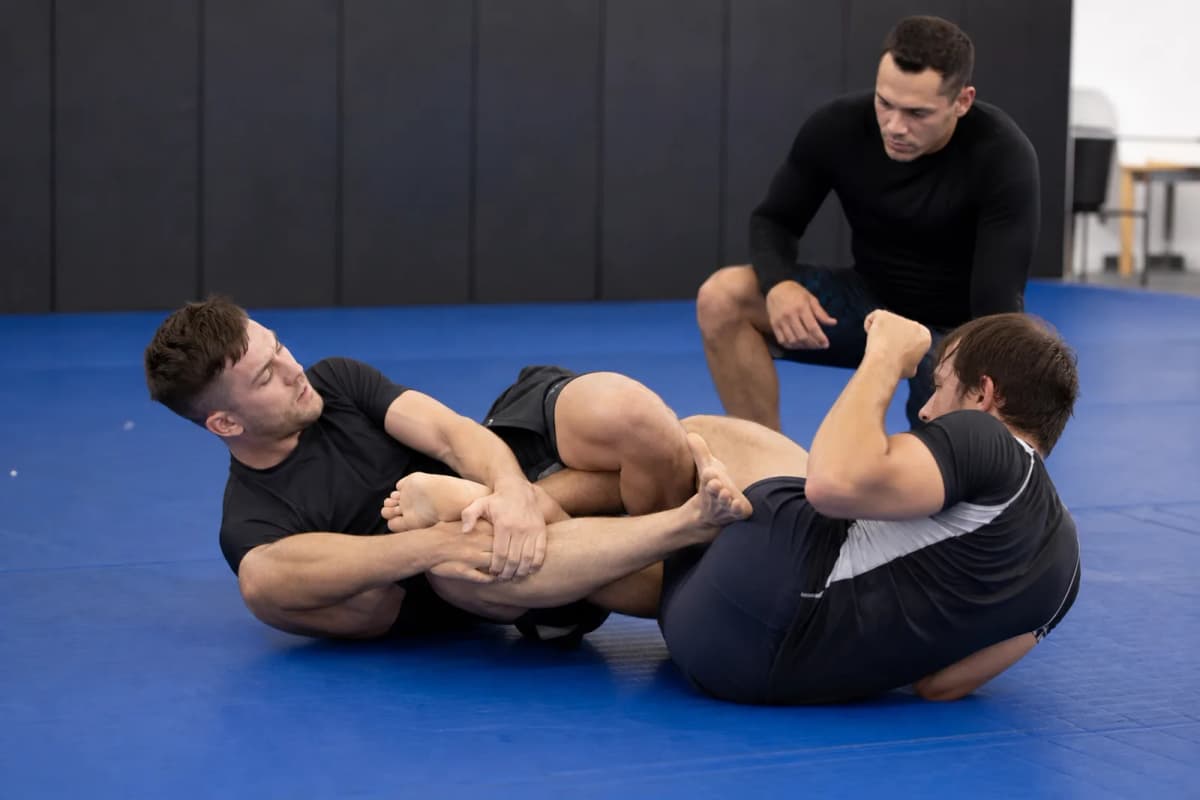
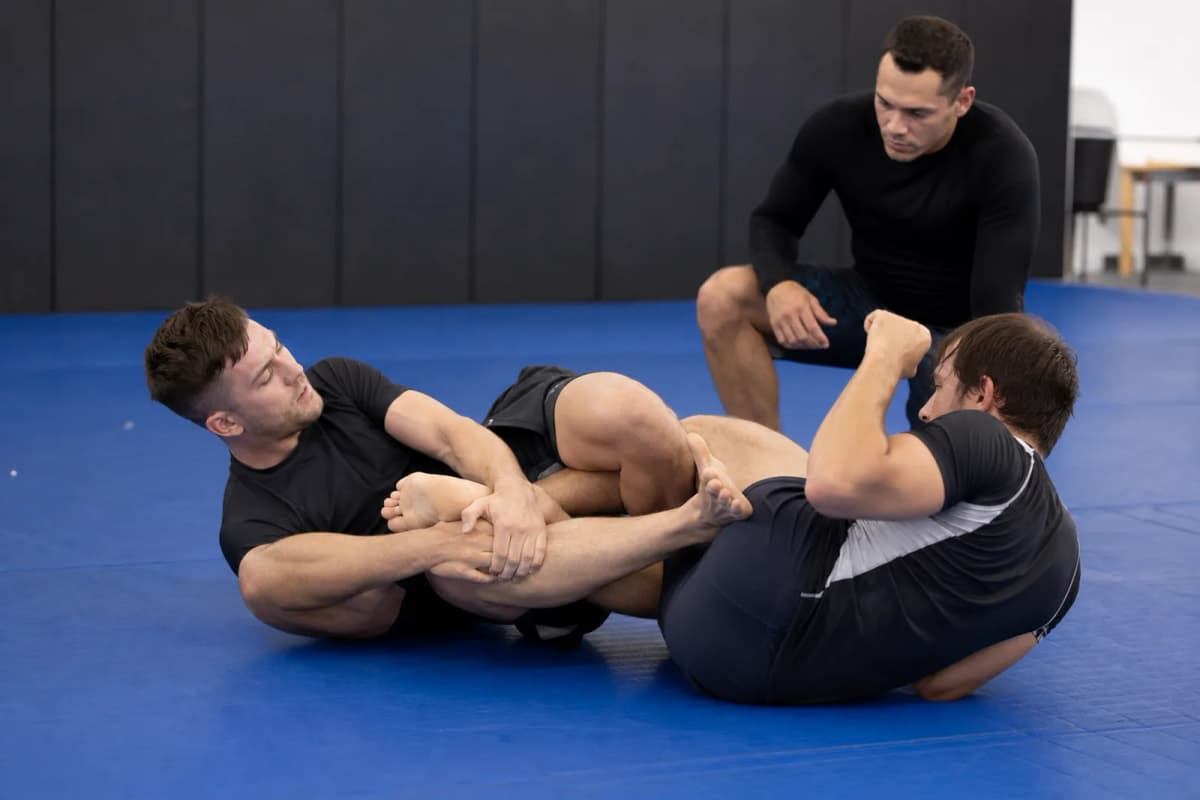
Straight ankle lock
IBJJF does not mark the straight foot lock illegal in the adult white-belt column, making it a common first legal leg attack to study carefully. It remains illegal for ages 4–15.
Core submissions
Armbars, triangles, kimuras, omoplatas, and rear naked chokes remain the reliable white-belt finishing base in most adult IBJJF divisions.
Learning why a technique is restricted still matters. You need to recognize illegal threats, avoid accidental disqualification, and know legal exits from the same positions.
If a scramble puts you in a restricted shape, abandon the illegal finish and return to control, points, or a legal submission.
Key Takeaways
- Use the IBJJF Illegal Moves table as the source; this page is a white-belt study checklist.
- Straight ankle locks and core upper-body submissions are safer defaults for adult white belts.
- Confirm the current rule book and event packet before every tournament.
Further Study
Official IBJJF Rule Book (v6.0) and Technical Fouls & Illegal Moves downloads. Confirm your age, belt, and gi/no-gi column.
Official ADCC legal techniques, illegal techniques, scoring, and time limits.
Dedicated FAQ on the most common white-belt leg-lock question.
Restricted foot-lock rules and safer beginner options.
White-belt restriction and blue-belt nuance.
Brown/black hyperextension rules in plain language.
Brown/black compression-lock rules in plain language.
Bicep slicer, can opener, and twister legality cluster.
A common legal adult leg attack to study first.
Restricted IBJJF finish with ADCC contrast.